
Do you ever set a goal with absolute certainty, only to watch your motivation evaporate three days later? You are not broken, and you do not lack some magical gift that other people have. What you need is clarity. A self discipline quiz can cut through the noise and show you exactly where your willpower leaks away.
Most people try to fix everything at once. They overhaul their morning routine, delete social media, and swear off sugar on the same Monday morning. That approach burns out fast. Instead, a targeted self discipline quiz helps you spot the one or two weak spots that are sabotaging your progress. Once you know those, you can build a simple action plan that actually sticks.
In this article, you will take a practical self discipline quiz designed by Success Guardian, interpret your results, and walk away with a clear, no‑fluff strategy to strengthen your self‑control. Along the way, we will share the best books and tools to support your journey.
Table of Contents
What Is a Self Discipline Quiz and Why Do You Need One?
A self discipline quiz is a structured self‑assessment that measures your ability to resist temptation, stay consistent, and push through discomfort. Unlike vague personality tests, this quiz focuses on the behaviours that determine whether you follow through on your commitments.
Why bother? Because most people overestimate their discipline. They think they need more willpower, when really they need better systems, clearer priorities, or a deeper understanding of their own triggers. A well‑designed self discipline quiz reveals the gap between where you think you are and where you actually are. That truth, uncomfortable as it may be, is the launchpad for real change.
We have seen thousands of readers use quizzes like this to stop feeling guilty about their lack of progress. Instead of beating themselves up, they zero in on one specific weakness and fix it. Then the next one. Over time, small wins compound into a life that feels under control.
The Self Discipline Quiz: How Strong Is Your Self‑Control?
This is not a pass‑or‑fail test. It is a mirror. Answer each question honestly, based on your typical behaviour over the past month. Use a scale of 1 (never) to 5 (always).
| Statement | Score 1–5 |
|---|---|
| I complete tasks I start, even when I lose interest. | |
| I can resist checking my phone during work or study time. | |
| When I set a morning routine, I stick to it for at least two weeks. | |
| I say no to social invitations when they conflict with my priorities. | |
| I save money regularly instead of giving in to impulse purchases. | |
| I exercise or move my body even on days I feel tired. | |
| I avoid procrastinating on difficult projects by breaking them into steps. | |
| I keep my promises to myself, not just to others. | |
| I handle criticism or setbacks without abandoning my goals. | |
| I plan my day in advance and follow the plan most of the time. |
Add up your total. Then look at the categories below to see where you might need attention.
What Your Score Reveals: Common Weak Points
40–50: Strong Self‑Discipline
You already have solid habits. Your main risk is burnout from pushing too hard. Focus on recovery and maintaining balance.
30–39: Moderate Discipline (Most People Here)
You are doing okay, but you have one or two specific weak spots that derail you. Common ones include:
- Inconsistency: You start strong but fade after a week.
- Impulse control: You struggle with screen time, food, or spending.
- Procrastination: You delay uncomfortable tasks until the last minute.
- Saying no: You overcommit to please others.
- Resilience: You quit after one bad day.
20–29: Low Discipline
You feel like you are constantly fighting yourself. The good news? Small, intentional changes can create huge momentum. Pick one area to improve first, not all of them.
Below 20: Critical Need for Structure
You may be struggling with deeper issues like overwhelm, lack of sleep, or unclear goals. Before you try to force more willpower, focus on getting your basics right: sleep, nutrition, and a simple daily routine.
Your Simple Action Plan Based on Quiz Results
The most common weak points from a self discipline quiz are listed below. Find the ones that match your score and follow the targeted plan.
Weak Point: Inconsistency
The fix: Build tiny, irreversible habits. Instead of “work out for 30 minutes,” commit to putting on your gym shoes. Once you do that, the workout often follows naturally.
- Use the two‑minute rule: start with something so easy you cannot say no.
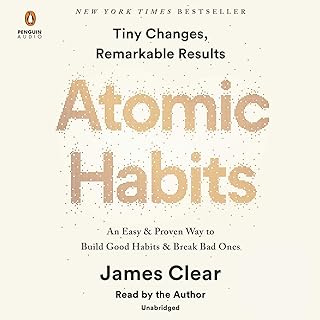
- Track your streaks with a calendar. A visual chain of X’s builds motivation. James Clear’s Atomic Habits is the go‑to guide here.
Weak Point: Impulse Control
The fix: Design your environment to make bad choices harder. Keep your phone in another room while working. Unsubscribe from shopping emails. If junk food is your weakness, do not keep it in the house.
The book Digital Self‑Discipline offers laser‑focused strategies for breaking free from dopamine traps.

Weak Point: Procrastination
The fix: Use the “eat the frog” method – do the hardest task first thing in the morning. Also, break down intimidating projects into 25‑minute Pomodoro sessions. Reward yourself after each block.
Brian Tracy’s classic No Excuses! devotes an entire chapter to overcoming procrastination with practical, no‑nonsense advice.

Weak Point: Saying No
The fix: Practice the script “I would love to help, but I have a commitment that requires my focus right now.” You do not need to explain further. Every time you say yes to others without thinking, you say no to your own goals.
Yes to You, No to Them is a newer title that tackles this exact challenge with refreshing honesty.

Weak Point: Low Resilience
The fix: Reframe failure as data. When you miss a workout, ask “What can I learn?” rather than “I am so weak.” Stoic philosophy offers powerful tools here. Start with Discipline Is Destiny by Ryan Holiday, which shows how self‑control creates freedom.

Comparison Table: Best Self‑Discipline Books to Support Your Plan
Here are five top‑rated books that target specific discipline weaknesses. Each can accelerate your progress after taking a self discipline quiz.
| Product | Price | Rating | Best For | Get Your Copy |
|---|---|---|---|---|
|
$0.00 (Audible) | 4.8 | Building consistent habits | Buy at Amazon |
|
$8.66 | 4.7 | Overcoming procrastination and excuses | Buy at Amazon |
 |
$0.00 (Audible) | 4.7 | Understanding self‑sabotage | Buy at Amazon |
|
$5.88 | 4.7 | Stoic mindset and resilience | Buy at Amazon |
|
$12.99 | 4.8 | Breaking digital addictions | Buy at Amazon |
Expert Insights: Why Most Self‑Discipline Advice Misses the Mark
Many people fail at building discipline because they focus on motivation instead of environment. The self discipline quiz exposes this. You might think you lack willpower when really your phone is buzzing with notifications, your kitchen is full of snacks, and your schedule is a blank page.
Dr. Kelly McGonigal, a health psychologist, says that willpower is like a muscle – it gets tired with overuse. That is why a quiz is so helpful: it points you to the part of your life where your willpower is being drained the fastest.
If your quiz showed a low score in impulse control, your first step should not be “try harder.” It should be “remove the temptation from your sight.”
Another key insight from The Power of Discipline is that discipline is not about suffering. It is about aligning your daily actions with your long‑term values. When you know why you are doing something, the how becomes easier.

How to Use This Self Discipline Quiz Regularly
Take the self discipline quiz once a month. Your scores will change as your habits evolve. Use the results to adjust your action plan – your weak point this month might be inconsistency, but next month it could be resilience.
Write down your scores and the one action you will take. For example:
- Month 1: Score 31. Weak point: procrastination. Action: Do hardest task before lunch.
- Month 2: Score 36. Weak point: saying no. Action: Practice the “I have another commitment” script.
Seeing your numbers improve is incredibly motivating. It turns discipline from a vague virtue into a measurable skill.
Frequently Asked Questions About the Self Discipline Quiz
Q: Can I rely on a self discipline quiz to fix my life?
A: A quiz is a starting point, not a magic wand. It gives you direction. You still need to do the work, but at least you will work on the right things.
Q: How often should I retake the quiz?
A: Once a month is ideal. Too frequent and you might not see change; too rare and you lose the feedback loop.
Q: What if I score low in every area?
A: That is common when you are overwhelmed. Do not try to fix everything. Pick the smallest change that would make your day easier – for example, going to bed 30 minutes earlier – and do that for a week before adding anything else.
Q: Are there any free resources to support my plan?
A: Yes. The book 365 Days With Self‑Discipline has daily thoughts that keep you on track. Many of the books listed have free trial options on Audible.

Final Word: Your Next Step After the Self Discipline Quiz
You have taken the self discipline quiz, you know where your weak points are, and you have a simple action plan. Do not let this information gather dust. Write down one specific change you will make in the next 24 hours. It could be as small as putting your phone in another room during dinner.
Then, tomorrow, do it again. That is what discipline is – not grand heroics, but small, consistent choices. Over time, they stack into a life you are proud of.
If you want to go deeper, grab one of the books we recommended. Each one has helped thousands of people turn their weaknesses into strengths. Click any image to check the latest price at Amazon.
You have everything you need. Now go make it happen.