
You’ve seen them. The person who wakes up at 5 a.m., hits the gym before most people have hit snooze, and still has energy for a full workday and side hustle. They don’t procrastinate. They don’t make excuses. They just get things done.
That’s a self discipline person. But here’s the truth you need to hear: they aren’t born with superhuman willpower. They are not morally superior. They are not robots. They have simply built a system of habits and mindsets that makes discipline feel automatic. And the best part? You can learn every single one of those habits.
Let’s dive into what a self discipline person does differently and how you can start copying their moves today.
Table of Contents
What Makes a Self Discipline Person Different?
A self discipline person doesn’t rely on motivation. They don’t wait for the perfect moment. They act despite how they feel. This isn’t about grinding yourself into dust. It’s about building a life where discipline becomes your default setting.
Think of it like this: motivation is a spark, but discipline is the fuel that keeps the fire burning all winter. The self discipline person has mastered the art of showing up even when the spark is gone.
Here are the core differences that separate them from the crowd.
1. They Have a Clear “Why” That Pulls Them Forward
Most people chase goals because they sound good. A self discipline person connects every action to a deeper purpose. They know exactly why they are sacrificing short-term comfort for long-term gain.
This isn’t some fluffy vision board stuff. It’s a hard, concrete reason. “I want to be debt-free so my kids never worry about money” is a why. “I want to be fit so I can play with my grandchildren” is a why. Without that anchor, discipline feels like pointless suffering.
When you have a powerful why, discipline becomes a choice you make gladly. You don’t resist the alarm clock because you remember what that extra hour of work will buy you.
2. They Stop Relying on Willpower
Willpower is a limited resource. Science tells us it depletes over the course of a day. A self discipline person knows this, so they design their environment to make the right choice easy.
“Disciplined people are better at structuring their lives in a way that does not require heroic willpower and self-control.” – James Clear, Atomic Habits
For example, they don’t try to resist junk food by staring at it. They simply don’t buy it. They don’t fight the urge to scroll social media; they put their phone in another room. They remove friction for good habits and add friction for bad ones.
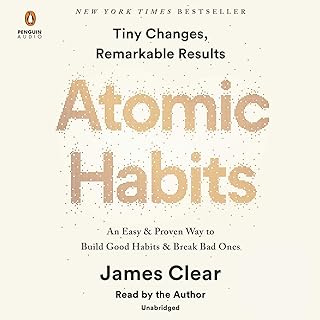
This is one of the most powerful lessons from the book Atomic Habits: An Easy & Proven Way to Build Good Habits & Break Bad Ones. If you want to think like a self discipline person, start by reshaping your physical space.
3. They Embrace the “Boring” Grind
Let’s be honest: most of self-discipline is boring. It’s doing the same healthy breakfast, the same workout, the same focused work session day after day. A self discipline person doesn’t need excitement. They find satisfaction in consistency.
They understand that success is the result of small, unglamorous actions repeated over time. They don’t chase the high of a big win because they know the real win is showing up daily. That’s why books like Discipline Equals Freedom: Field Manual Mk1-MOD1 resonate so deeply. It reminds you that the path to freedom is paved with boring, disciplined action.

4. They Master Self-Talk
The voice in your head can be your greatest ally or your worst enemy. A self discipline person has trained that voice to be a coach, not a critic. When they want to quit, they don’t say “I’m too tired.” They say “I’m tired, but I can do five more minutes.”
This is one of the core principles in Note to Self: The Discipline of Preaching to Yourself. The idea is simple: you talk to yourself anyway, so why not make those words empowering?

The Daily Habits of a Self Discipline Person
Now let’s get into the nitty-gritty. What does a self discipline person actually do each day? Here are the habits that separate them from the pack, and how you can adopt them.
How a Self Discipline Person Starts Their Day
The morning routine is not about waking up at an insane hour. It’s about intentionality. A self discipline person does not roll out of bed and immediately grab their phone. They own the first hour of their day.
Typical morning habits include:
- Hydrating immediately (a glass of water before coffee)
- Moving their body (even five minutes of stretching)
- Reviewing their top priorities for the day
- Spending a few minutes in silence or meditation
Why does this matter? It sets a proactive tone. You are deciding how your day goes, not reacting to notifications. As Admiral William McRaven wrote in Make Your Bed: Little Things That Can Change Your Life…And Maybe the World, starting with a simple completed task creates a ripple of success.

The Eating Habits of a Self Discipline Person
A self discipline person doesn’t have to be a health nut. But they understand that what they put in their body directly affects their energy and focus. They make conscious choices about food, not because they’re punishing themselves, but because they respect their body.
They might follow a simple rule: “If it’s not worth the energy crash, I don’t eat it during work hours.” They also plan meals ahead to avoid impulsive junk food stops. This is a discipline that pays dividends in mental clarity.
How They Handle Distractions
We live in a world engineered to steal our attention. A self discipline person fights back with systems. They use app blockers, set specific times for email and social media, and they are ruthless about deep work.
They also practice saying no. Saying no to meetings that don’t matter, to requests that drain energy, to toxic relationships. The book Yes to You, No to Them: The Discipline of Saying No and the Freedom that Follows explores how setting boundaries is a core discipline skill.

How They React to Failure
Here’s a surprise: a self discipline person does not freak out when they slip up. They don’t spiral into guilt or shame. They see failure as feedback. They ask, “What went wrong? What can I adjust?” Then they get back on track immediately.
This is the core message of The Mountain Is You: Transforming Self-Sabotage into Self-Mastery. You are not your failures. Your self-sabotage is a mountain you must climb, but you can do it with awareness and discipline.

How to Build Self-Discipline: A Step-by-Step Plan
You want to become a self discipline person? Good. Here’s a practical blueprint that doesn’t require a personality transplant.
Step 1: Start with One Tiny Habit
Do not try to change everything at once. Pick one small habit that aligns with your goal. If you want to read more, commit to reading one page per day. If you want to exercise, commit to five push-ups. The key is to make it so easy you can’t say no.
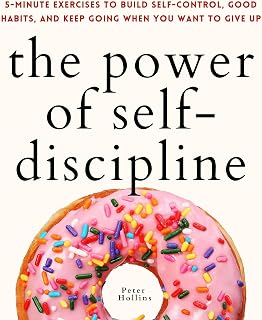
This is the strategy behind Atomic Habits and also The Power of Self-Discipline: 5-Minute Exercises to Build Self-Control, Good Habits, and Keep Going When You Want to Give Up. Both books emphasize that small actions compound into massive results.
Step 2: Use the “2-Minute Rule”
Any new habit should take less than two minutes to start. Want to write a book? Write one sentence. Want to meditate? Sit for one breath. Once you start, momentum carries you forward. A self discipline person knows that starting is the hardest part, so they make it laughably easy.
Step 3: Create an Accountability System
Tell someone your goal. Post it publicly. Use an app that tracks streaks. The pain of breaking a streak is often stronger than the pleasure of slacking off. For deeper accountability, read Discipline Is Destiny: The Power of Self-Control by Ryan Holiday. He explores how ancient Stoics held themselves accountable through daily reflection.

Step 4: Practice Digital Self-Discipline
Our phones are dopamine slot machines. A self discipline person uses tech intentionally. They disable notifications, use grayscale screens, and schedule “distraction blocks” rather than being always available. The book Digital Self-Discipline: Break Free from Dopamine’s Snare, Overcome Digital Addictions & Reclaim Your Drive is a great resource for this.

Step 5: Use the “If-Then” Strategy
Plan for obstacles. If you feel like skipping the gym, then you will put on your shoes and at least walk for five minutes. If you crave sugar, then you will eat an apple first. Pre-deciding your actions removes the burden of decision-making in the moment.
This is a technique taught in The Psychology of Self-Discipline: Twenty-Four Proven Strategies to Rewire Your Brain for Consistent Action. Your brain loves clear patterns.

Common Myths About a Self Discipline Person
Let’s clear up misconceptions. These myths often stop people from even trying.
Myth 1: They never feel lazy.
False. Everyone feels lazy. The difference is that a self discipline person doesn’t let that feeling dictate their actions. They feel the resistance and move anyway.
Myth 2: They have an iron will.
Wrong. They have good systems. They don’t need willpower because they’ve built habits that run on autopilot.
Myth 3: Discipline means a boring life.
Actually, discipline gives you freedom. When you control your time, energy, and habits, you can do more of what truly matters to you. The person who can’t stop scrolling social media is the one who is trapped.
Myth 4: You’re either born disciplined or you’re not.
Nonsense. Self-discipline is a skill that can be trained. Your brain is plastic. It rewires itself based on repeated behaviors. Start small, stay consistent, and you will change.
Recommended Books for Becoming a Self Discipline Person
If you want to go deep, here are some of the best books on this topic. I’ve included ratings and prices from Amazon to help you choose.
| Product | Price | Rating | Buy at Amazon |
|---|---|---|---|
|
$0.00 (with Audible trial) | 4.8 | Buy Now |
 |
$8.66 | 4.7 | Buy Now |
 |
$16.83 | 4.6 | Buy Now |
|
$0.00 (with Kindle Unlimited) | 4.7 | Buy Now |
|
$12.93 | 4.7 | Buy Now |
These books will arm you with strategies, mindsets, and daily practices. But reading alone won’t change you. You have to act. Start with one habit this week and build from there.
Frequently Asked Questions About Self Discipline Person
Q1: What is the definition of a self discipline person?
A self discipline person is someone who consistently takes action aligned with their long-term goals, even when they don’t feel like it. They manage their impulses, focus on priorities, and bounce back from setbacks.
Q2: Can anyone become a self discipline person?
Absolutely. Self-discipline is a trainable skill. It requires consistent practice, but anyone can build it with the right strategies.
Q3: How long does it take to build self-discipline?
Research on habit formation suggests it takes 18 to 254 days. But you’ll see small wins within the first week if you start with tiny habits.
Q4: What is the biggest enemy of self-discipline?
Instant gratification. Our brains are wired to seek immediate rewards. A self discipline person trains their brain to value delayed rewards more.
Q5: Is self-discipline the same as willpower?
No. Willpower is a temporary burst of effort. Self-discipline is a habit of consistent action. Discipline makes willpower unnecessary.
Q6: How does a self discipline person handle cravings?
They use the “urge surfing” technique: acknowledge the craving without acting on it, and wait for it to pass. They also remove triggers from their environment.
Q7: What are the best books for self-discipline?
Top picks include Atomic Habits, No Excuses!, The Power of Discipline, Discipline Equals Freedom, and The Mountain Is You.
Q8: Can too much discipline be bad?
Yes. Rigid discipline without flexibility can lead to burnout. The key is to be consistent but also compassionate with yourself. The occasional rest day or treat is part of a sustainable system.
Your Next Move
You now know what a self discipline person does differently. You have the blueprint. You have the tools. But knowledge without action is just a daydream.
Pick one habit from this article. Just one. Maybe it’s drinking water first thing in the morning. Maybe it’s putting your phone away during work. Do that one thing for seven days straight. Then add another.
Over time, those small disciplines will stack up. You’ll slowly transform from someone who wishes they had discipline into someone who lives it. And let me tell you from personal experience: that feeling of becoming a person you can count on is better than any shortcut or quick fix.
The self discipline person isn’t a mythical figure. It’s you, on the other side of consistent small choices. Start today.