
What does self-discipline actually look like in real life? It’s not a magical switch you flip. It’s a system. And one of the clearest ways to build it is to borrow a framework used to run billion-dollar factories: the 5S method.
The self discipline meaning in 5S is simple. You take the same five principles that create order in a workspace and apply them to your mind, habits, and daily actions. Sort, Set in Order, Shine, Standardize, and Sustain. Each one is a pillar that supports your willpower, your mental toughness, and your ability to do hard things even when you don’t feel like it.
Below, we break down every point and give you practical steps you can start using today. No fluff. Just a blueprint for a stronger, more disciplined you.
Table of Contents
1. Sort: Clear the Clutter That Drains Your Willpower
The first S in the self discipline meaning in 5S is Sort. In a factory, this means removing everything that isn’t needed from the workspace. In your life, it means identifying and removing the distractions, bad habits, and mental clutter that steal your focus.
Discipline doesn’t just happen because you try harder. It happens when you stop trying to resist so many things. Every time you keep junk food in the kitchen or your phone on the nightstand, you’re draining your willpower reserves. Sorting is about eliminating those drains so your energy stays high for what matters.
How to practice Sorting:
- Write down the top five time-wasters in your typical day (e.g., endless scrolling, checking email first thing, watching TV before bed).
- Choose one to eliminate completely this week. Uninstall the app. Hide the remote. Move the cookie jar to the garage.
- Keep a “not-to-do” list. It’s just as important as your to-do list.
A classic resource to help you identify what to sort out is Atomic Habits by James Clear. It offers a proven system to build good habits and break bad ones by focusing on small changes.

When you clear the unnecessary, you free up mental space. That space becomes the foundation for real self-discipline.
2. Set in Order: Organize Your Priorities and Environment
Once you’ve sorted out the clutter, you need to “Set in Order.” This means putting everything you need for success in its proper place. For your self-discipline, that means designing your environment so the right actions become easy and automatic.
Think about it. If your gym bag is packed and sitting by the door, you’re far more likely to work out in the morning. If your workspace has a clear desk and a single notebook open, you’ll dive into deep work faster. Setting in order is about reducing friction between you and your goals.
How to practice Set in Order:
- Design your morning routine as a checklist. Lay out your clothes, prepare your coffee maker, and place your journal where you can see it.
- Rearrange your digital space: turn off notifications, use folders for emails, and keep only essential apps on your home screen.
- Create a “command center” in your home: a whiteboard with your top three priorities for the week.
For a no-nonsense manual on organizing your life for discipline, Discipline Equals Freedom: Field Manual Mk1-MOD1 by Jocko Willink is a battle-tested guide. It combines grit with practical routines.

When your environment is set in order, your self-discipline doesn’t have to work as hard. The path of least resistance leads to your best self.
3. Shine: Polish Your Mindset and Health Daily
The third S stands for Shine. In 5S, this means cleaning the workspace and equipment so problems are visible. In your life, “shining” means maintaining your mental and physical baseline. Self-discipline crumbles when you’re exhausted, stressed, or neglecting yourself.
You can’t out-discipline a burned-out body or a foggy mind. Shining is about doing the small daily maintenance that keeps your engine running smoothly. It’s the difference between pushing through on caffeine and actually operating at your peak.
How to practice Shine:
- Start each day with a 5-minute mindfulness practice (deep breathing, gratitude list, or simply sitting in silence).
- Move your body for at least 10 minutes. Walk, stretch, do push-ups. Movement clears mental fog.
- Hydrate and eat one meal with whole foods. Discipline is harder when your blood sugar is crashing.
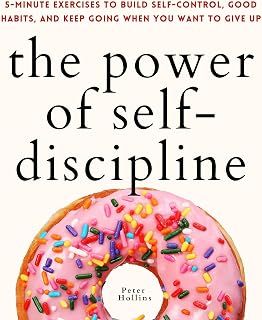
For short, habit-based exercises that fit into a busy day, The Power of Self-Discipline: 5-Minute Exercises to Build Self-Control, Good Habits, and Keep Going When You Want to Give Up is ideal. It gives you bite-sized practices to shine every day.
Shine isn’t a one-time cleanup. It’s a daily polish that keeps your discipline sharp.
4. Standardize: Create Non-Negotiable Routines
Standardize is where the self discipline meaning in 5S moves from ideas to systems. Standardization means creating a consistent way of doing things so you don’t have to decide every day. Your brain loves patterns. When you standardize your most important habits, you remove the need for willpower.
For example, you don’t debate whether to brush your teeth each morning. It’s automatic. That’s standardization. Apply the same logic to your deep work sessions, exercise, and learning time.
How to practice Standardize:
- Pick one keystone habit (exercise, reading, or journaling) and do it at the same time every day for 30 days.
- Use habit stacking: “After I pour my morning coffee, I will write three sentences in my journal.”
- Create a “minimum viable discipline” routine: the smallest version of your habit that you can do even on terrible days (e.g., two push-ups, one page read).
For a classic, straight-to-the-point guide on building standard routines, pick up No Excuses!: The Power of Self-Discipline by Brian Tracy. It gives you a framework to make discipline a fixed part of your day.

Standardization turns self-discipline from a struggle into a habit. You stop negotiating with yourself and start executing.
5. Sustain: Keep Going When Motivation Fades
The final S is Sustain. This is the hardest and most important part. You’ve sorted, organized, polished, and standardized. Now you need to keep it going for months and years. Sustain is about building long-term consistency through accountability, review, and renewal.
Motivation is a liar. It promises to be there forever, then disappears after week two. Sustain expects that. It builds in systems to catch you when you slip.
How to practice Sustain:
- Schedule a weekly 15-minute review where you ask: “What worked? What didn’t? What will I do differently next week?”
- Find an accountability partner or join a group with similar goals.
- Celebrate small wins. Rewarding yourself for sticking to the system reinforces the behavior.
A powerful book on sustaining discipline over time is Discipline Is Destiny: The Power of Self-Control by Ryan Holiday. It draws on Stoic philosophy to help you remain consistent even when life gets messy.

Sustain is what separates people who try from people who transform. It’s the daily choice to show up even when no one is watching.
Comparison of Top Self-Discipline Books
To help you choose a resource that fits your style, here is a comparison of two classic books on self-discipline. Both are excellent, but they approach the topic from slightly different angles.
| Product Image | Book Title | Price | Rating | Key Focus | Buy at Amazon |
|---|---|---|---|---|---|
 |
Atomic Habits | Free (audible) / $$ print | 4.8 | Small habit changes, systems over goals | Buy on Amazon |
|
No Excuses!: The Power of Self-Discipline | $8.66 | 4.7 | Mental toughness, time management, goal setting | Buy on Amazon |
Atomic Habits is ideal if you struggle with creating lasting routines. No Excuses is better if you need a motivational kick and a direct approach to overcoming procrastination. Both can help you master the self discipline meaning in 5S by reinforcing the principles of standardize and sustain.
Frequently Asked Questions about Self-Discipline and the 5S Method
What is the self discipline meaning in 5S?
The 5S method (Sort, Set in Order, Shine, Standardize, Sustain) is a lean manufacturing system used to create efficient, organized workspaces. Applied to self-discipline, it provides a step-by-step framework for building mental order, reducing distractions, and maintaining consistent habits. Each “S” addresses a different aspect of self-control, from eliminating clutter to creating long-term routines.
How do I start practicing the 5S method for self-discipline?
Start with Sort. Identify one major distraction or bad habit and remove it from your environment for a week. Then move to Set in Order by organizing your morning routine. Work through each S sequentially. You don’t have to master all five at once. Focus on one for a week or two before layering on the next.
Can the 5S method help with digital distractions?
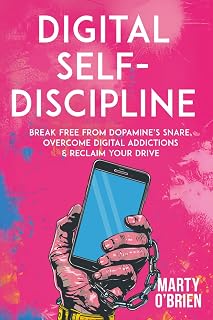
Absolutely. Digital clutter is one of the biggest obstacles to self-discipline today. You can Sort by uninstalling social media apps, Set in Order by organizing your phone’s home screen, Shine by taking a daily digital detox, Standardize by setting screen-time limits, and Sustain by reviewing your digital habits weekly. Many readers of Digital Self-Discipline have used a similar approach to reclaim their focus.
What is the best book on self-discipline for beginners?
Two books stand out for beginners: Atomic Habits (for building small consistent systems) and The Power of Self-Discipline: 5-Minute Exercises (for quick, actionable practices). Both are highly rated and easy to digest. If you prefer a more philosophical approach, Mindful Self-Discipline or The Four Agreements are also excellent.

How long does it take to build self-discipline using 5S?
Most people see noticeable changes within 30 days if they commit to the first two S’s (Sort and Set in Order). Full internalization of all five can take three to six months. The key is to not rush. Sustain is the longest phase, but once you reach it, your discipline becomes nearly automatic.
Final Thoughts: Your 5S Journey Starts Now
Self-discipline isn’t a personality trait you’re born with. It’s a skill you build by designing your environment and habits. The self discipline meaning in 5S gives you a clear, actionable path forward. Sort your distractions. Set your priorities in order. Shine your mindset daily. Standardize your routines. And above all, sustain the effort even when excitement fades.
You don’t need to overhaul your entire life overnight. Pick one S today. Maybe it’s sorting your phone for 20 minutes. Maybe it’s setting out your workout clothes tonight. Small steps, repeated relentlessly, build the discipline that changes everything.
Choose one action from this article and do it right now. That’s the definition of taking control.