
You know that feeling. You watch a powerful speech, read an inspiring article, or set a shiny new goal. Your motivation spikes. You feel unstoppable. You’re going to crush it this time.
And then, two weeks later, you’re back on the couch scrolling through your phone.
Sound familiar? It happens to almost everyone. The problem isn’t you. The problem is that motivation is a liar. It promises transformation but delivers burnout. The real solution isn’t more motivation. It’s building a self discipline life where you show up and follow through regardless of how you feel.
This article will show you exactly how to stop chasing motivation and start living with reliable, everyday discipline. We’ll cover the mindset shifts, the practical systems, and the very best resources to help you make the change stick.

Table of Contents
What Is a Self Discipline Life?
A self discipline life is not about being rigid, harsh, or punishing yourself. It’s about being the person who does what needs to be done, even when you don’t want to. It’s the quiet power of keeping promises you make to yourself.
Think of it as your internal steering wheel. Motivation might get the car started, but self discipline keeps it on the road through every pothole, detour, and steep hill.
- Motivation is emotional. It comes and goes.
- Self discipline is a skill. It can be built and strengthened.
When you live a self discipline life, you stop asking “Do I feel like it?” and start asking “Is this what I committed to?” That simple shift changes everything.
Why Motivation Alone Will Never Work
We’ve been sold a lie. The self-help industry loves to pump us up with feel‑good quotes and “just believe in yourself” advice. But neuroscience tells a different story.
The Dopamine Trap
Motivation is fueled by dopamine. When you imagine a future reward, your brain releases a little hit of pleasure. That feels great. But the dopamine drops as soon as the work starts. Your brain wants the reward without the effort.
That’s why you buy the online course but never watch the lessons. You set the alarm but hit snooze. Motivation gives you the fantasy of success without the reality of sweat.
The Valley of Disappointment
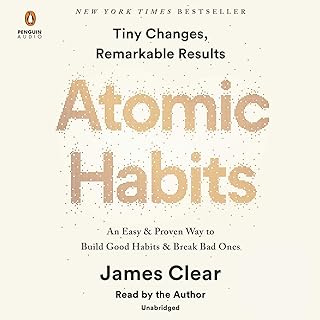
James Clear, author of Atomic Habits, describes the “Valley of Disappointment.” Early on, you put in effort but see almost no results. Motivation dies fast in that valley. Only self discipline keeps you digging.
- Motivation says “This isn’t working, quit.”
- Self discipline says “Keep going, the results are coming.”
If you want to build a self discipline life, you must stop treating motivation as reliable fuel. It’s not. It’s a spark, not an engine.
How to Build a Self Discipline Life That Actually Works
Building self discipline isn’t about willpower alone. Willpower is like a muscle that gets tired. The secret is to design your environment and systems so that discipline becomes the default path.
1. Start Microscopically Small
One of the biggest mistakes people make is trying to overhaul everything overnight. That’s a fast track to quitting. Instead, use the two‑minute rule from Atomic Habits.
Commit to doing just two minutes of the new behavior. Want to read daily? Read one page. Want to exercise? Put on your shoes. The goal is to make starting so easy that you feel ridiculous saying no.
Once you start, momentum kicks in. You’ll often do more than two minutes anyway. But even if you don’t, you’ve completed your habit. Consistency beats intensity every time.
2. Remove Friction from Your Environment
Your environment shapes your behavior more than your willpower does. If the cookies are on the counter, you’ll eat them. If your phone is in the bedroom, you won’t scroll at midnight.
Want to build a self discipline life? Make the good behaviors easier and the bad behaviors harder.
- Put your gym bag by the front door.
- Delete social media apps from your home screen.
- Set your coffee maker on a timer for the morning.
Discipline isn’t about fighting temptation every time. It’s about not having to fight at all.
3. Anchor to Your Identity
Instead of saying “I’m trying to quit sugar,” say “I’m not a person who eats sugar.” This tiny shift moves from goal‑focused to identity‑focused.
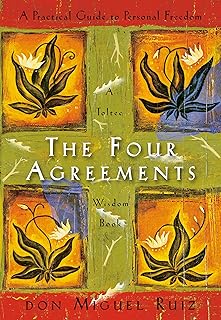
The Four Agreements by Don Miguel Ruiz is a powerful book about making four simple agreements with yourself. One of them is “Be impeccable with your word.” When you define who you are at the identity level, your actions naturally align.
Ask yourself: “What would a disciplined person do right now?” Then do it. That’s how you build an identity that supports a self discipline life.
4. Use the 5‑Second Rule
Mel Robbins popularized this one. When you have an urge to do the right thing, act within five seconds. Count backward: 5‑4‑3‑2‑1‑GO. If you wait longer, your brain will talk you out of it.
This technique is perfect for those moments when motivation whispers “later” but discipline knows it’s now.
The Surprising Role of Rest and Self‑Compassion
A self discipline life isn’t about being a robot. In fact, pushing too hard without rest leads to burnout and gives you no energy for discipline. You need recovery.
- Sleep restores willpower.
- Scheduled breaks prevent decision fatigue.
- Self‑compassion prevents the “what the hell” effect when you slip.
Discipline Is Destiny by Ryan Holiday draws on Stoic philosophy to remind us that self‑control includes knowing when to rest. The goal is not to grind yourself into dust but to keep showing up over a lifetime.

When you mess up (and you will), don’t spiral. Forgive yourself quickly and get back on track. That’s what disciplined people do.
What to Do When Digital Distractions Hijack Your Discipline
We live in a world built to steal our attention. Notifications, endless feeds, and short‑form videos are designed to hijack your dopamine system. If you want a self discipline life, you must control your digital environment.
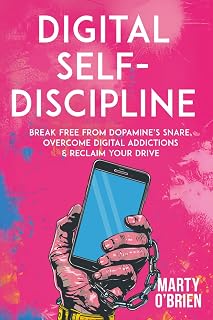
Digital Self‑Discipline by Tamara Lechner is a book that dives deep into breaking free from digital addictions. It offers practical strategies to reclaim your focus.
Try these three tactics:
- Use app blockers to limit social media to 15 minutes per day.
- Keep your phone in another room during deep work.
- Replace scrolling with one analog book from your shelf.
Resources to Deepen Your Self Discipline Life
You don’t have to figure this out alone. There are dozens of excellent books that can accelerate your journey. Here are the best ones, including a comparison table to help you choose.
| Product | Price | Rating | Image | Buy at Amazon |
|---|---|---|---|---|
| No Excuses!: The Power of Self‑Discipline by Brian Tracy | $8.66 | 4.7 | |
Get it on Amazon |
| Atomic Habits by James Clear | $0.00 (free with Audible trial) | 4.8 | |
Get it on Amazon |
| Discipline Is Destiny by Ryan Holiday | $5.88 | 4.7 | |
Get it on Amazon |
| The Power of Self‑Discipline: 5‑Minute Exercises by Gill Hasson | $0.00 (free with Audible trial) | 4.4 | 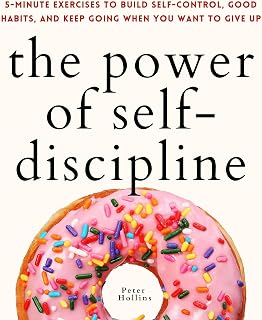 |
Get it on Amazon |
| The Mountain Is You by Brianna Wiest | $0.00 (free with Kindle Unlimited) | 4.7 |  |
Get it on Amazon |
Other powerful books worth checking out:
- The Science of Self‑Discipline by Peter Hollins (4.5 stars)
- The Power of Discipline by Daniel Walter (4.6 stars)
- 365 Days With Self‑Discipline (4.5 stars)
- Mindful Self‑Discipline by Giovanni Dienstmann (4.7 stars)
- The Psychology of Self‑Discipline (4.6 stars)
- Stoic Self‑Discipline (4.7 stars)
- Yes to You, No to Them (5 stars, new release)
- Self Discipline: 30 Days to Self Discipline (4.3 stars)
- Note to Self: The Discipline of Preaching to Yourself (4.6 stars)
- STOIC DISCIPLINE 30 DAYS TO UNBREAKABLE SELF‑CONTROL AND FOCUS (4.8 stars)
Common Questions About Building a Self Discipline Life
Here are the answers to the most frequent questions people ask.
1. How long does it take to become disciplined?
There’s no magic number. Self discipline is a skill, not a switch. Most people see noticeable improvement in 30 to 60 days of consistent practice. Use a 30‑day challenge (like the book 30 Days to Self Discipline) to kickstart the process.
2. Can discipline be learned, or are you born with it?
You are absolutely not born with it. Self discipline is learned, just like a sport or instrument. Your brain’s prefrontal cortex (the part responsible for self‑control) is like a muscle. The more you use it, the stronger it gets.
3. What if I keep failing?
Failing is part of the process. The only real failure is quitting. The Mountain Is You by Brianna Wiest explains that self‑sabotage is often a sign you’re trying to grow too fast. Scale back, forgive yourself, and try again.
4. How do I stay disciplined when I’m tired or stressed?
Your willpower is lower when you’re tired. During those times, reduce the cognitive load. Prepare meals in advance, lay out clothes the night before, and use routines that run on autopilot. Also, prioritize sleep. Without it, discipline becomes ten times harder.
5. Is motivation ever useful?
Yes, but only as a starting point. Use motivation to set a direction and then switch to discipline to do the work. Don’t wait for motivation to return when things get hard. Use it to clarify your “why,” but never rely on it for daily execution.
How to Maintain a Self Discipline Life Long‑Term
The biggest mistake people make is treating discipline like a finite resource they must hoard. Actually, you can grow it. Here’s how to keep your discipline strong over years, not just weeks.
Habit Stacking and Routine
Pair a new habit with an existing one. After you brush your teeth, do one push‑up. After you pour your morning coffee, write down one priority for the day. These small chains build huge systems over time.
Accountability and Community
Tell someone your goals. Join a group of people who are also building a self discipline life. Social accountability works because you don’t want to let others down. Even a simple check‑in text can be the difference between following through and shrugging.
Review and Reset Weekly
Every Sunday, spend five minutes reviewing your week. What worked? What didn’t? Adjust your systems. Discipline is not a straight line. It’s a constant iteration.
Final Thoughts: You Already Have What It Takes
You don’t need to wait for a magical surge of motivation to start living your best life. You don’t need a perfect plan or a flawless environment. You just need to begin.
A self discipline life is built one small, consistent action at a time. It’s the person who shows up on a rainy Tuesday. It’s the person who reads one page instead of scrolling. It’s you, choosing to keep the promise you made to yourself.
Start today. Pick one tiny thing and do it. Then do it again tomorrow. That’s all discipline really is.

As Jocko Willink writes in Discipline Equals Freedom, discipline doesn’t confine you. It sets you free. Free from guilt. Free from regret. Free to become the person you were meant to be.
Now go take the first step. Your future self will thank you.
Frequently Asked Questions
What is a self discipline life?
A self discipline life means consistently taking action aligned with your values and goals, regardless of your temporary feelings. It’s a way of living that prioritizes long‑term fulfillment over short‑term comfort.
How can I stop relying on motivation?
Stop waiting to feel ready. Start with micro‑habits, design your environment for success, and shift your identity. Treat motivation as a bonus, not a requirement for action.
What are the best books on self discipline?
Some of the most highly rated books include No Excuses! by Brian Tracy, Atomic Habits by James Clear, Discipline Is Destiny by Ryan Holiday, and The Power of Self‑Discipline. See the comparison table above for more options.
Can anyone build self discipline, or is it genetic?
Anyone can build self discipline. It’s a skill that responds to practice, just like learning a language or playing an instrument. Genetics may play a small role, but consistent effort is the deciding factor.
How do I stop quitting when things get hard?
Reframe quitting as a learning opportunity. Use the “two‑minute rule” to restart. Read The Mountain Is You to understand your self‑sabotage patterns. And most importantly, give yourself permission to be imperfect.