
You know that feeling. You set a goal, feel a surge of motivation, and promise yourself this time will be different. Then a week passes. Your gym bag gathers dust. That course you bought sits unopened. The gap between intention and action can feel like a canyon.
But what if you had a simple tool to bridge that gap? That’s exactly what self discipline journal prompts can do. They force you to stop, reflect, and choose differently. Writing down your thoughts isn’t just for poets. It’s a proven strategy to strengthen self-control, clarify your why, and build the mental muscle to follow through.
In this guide, you’ll get 30 powerful self discipline journal prompts designed to turn your intentions into real, consistent action. No fluff. Just questions that work.
Table of Contents
Why Journaling Is the Secret Weapon for Self-Discipline
Most people think self-discipline is about brute force. They grit their teeth and try to white-knuckle their way through temptation. That approach burns out fast.
Journaling works differently. It taps into your prefrontal cortex—the part of your brain responsible for decision-making and impulse control. When you write, you slow down the knee-jerk reaction loop. You create a moment of awareness.
Think of it as a conversation with yourself. You ask tough questions. You spot patterns. You uncover the hidden reasons you procrastinate or give in. Over time, this self-awareness becomes the foundation for unshakable self-control.
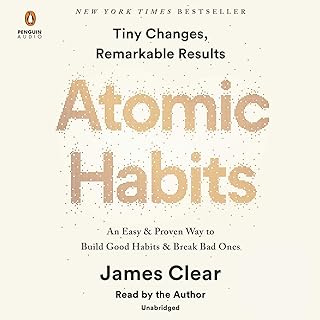
Atomic Habits is a must-read companion for anyone serious about building self-discipline through small daily actions.
How to Use These Self Discipline Journal Prompts Effectively
Before you dive into the prompts, set yourself up for success.
- Pick a consistent time. Morning works great for setting intentions. Evening is better for reflection. Choose one and stick to it.
- Write by hand if possible. The physical act of writing deepens cognitive processing.
- Be brutally honest. No one else will read this. If you skipped your workout because you were scrolling TikTok, write that. Honesty is where growth starts.
- Don’t overthink. Spend no more than 10-15 minutes per session. The goal is clarity, not perfection.
- Review your entries weekly. Look for patterns. Did you resist a craving? What triggered a setback? Use the insights to tweak your approach.
30 Self Discipline Journal Prompts to Build Unshakable Willpower
These self discipline journal prompts are divided into five categories. Each targets a different aspect of self-control. Answer at least one per day, or go deeper with a few.
Category 1: Starting the Day with Intent
Use these prompts in the morning to set a disciplined tone.
- What is the one task I absolutely must complete today, and why does it matter?
- What distraction am I most likely to fall for today? How will I avoid it?
- How do I want to feel at the end of today? What actions will get me there?
- What is a small win I can achieve in the first hour?
- If I were my most disciplined self right now, what would I do differently?
- What obligation am I tempted to skip today? What would happen if I kept it?
Category 2: Overcoming Resistance
When motivation fades, these prompts help you push through.
- What is the story I’m telling myself to avoid this task? Is it true?
- Name the last time you regretted giving in to laziness. What did you learn?
- On a scale of 1-10, how uncomfortable is starting this task? What makes it uncomfortable?
- What is the smallest possible step I can take right now?
- If I do this hard thing now, how will I feel in two hours?
- What would I say to a friend who was facing the same resistance?
Category 3: Habits and Routines
Use these to audit and strengthen your daily systems.
- Which habit has the biggest positive impact on my day? Am I doing it consistently?
- What current habit is silently draining my self-discipline?
- What environment changes could make good habits easier and bad habits harder?
- Describe your ideal morning routine in three sentences. What is missing from your actual routine?
- What is a habit I’ve been trying to build for more than 30 days? Why haven’t I sustained it?
- How could I make my most important habit more enjoyable?
Category 4: Reflection and Learning
Best used at the end of the day to reinforce growth.
- Where did I show self-discipline today? How did it feel?
- Where did I slip up? What was the trigger?
- What would I do differently if I could relive today?
- What excuse did I make today that I need to let go of?
- What did I learn about my willpower limits today?
- What am I proud of myself for doing despite wanting to quit?
Category 5: Long-Term Vision
Connect daily actions to your bigger purpose.
- What does my life look like five years from now if I stay disciplined? What if I don’t?
- What is one goal I keep postponing? What would change if I started today?
- If money and fear were not issues, what would I pursue? What small step can I take toward that now?
- Who is someone I admire for their self-discipline? What one quality can I borrow from them?
- What legacy do I want to leave? How does my daily discipline contribute to it?
- If I knew I only had one year to make a lasting change, what would I do? Why not start now?
The Science Behind Journaling and Self-Control
You may wonder: does writing in a notebook actually rewire your brain? Research says yes. A study from the University of California found that expressive writing improves working memory and reduces intrusive thoughts. When your mind is less cluttered, you make better choices.
Neuroplasticity is real. Every time you consciously resist a temptation or choose a difficult task over an easy one, you strengthen the neural pathways for self-control. Journaling accelerates this process by making your intentions explicit.

The Science of Self-Discipline offers a deep dive into the neuroscience behind willpower. Pairing it with your journal practice creates a powerful feedback loop.
Recommended Books to Complement Your Self Discipline Journal Practice
Reading about discipline reinforces what you learn through journaling. These books are proven resources. Each has thousands of positive reviews.
1. No Excuses!: The Power of Self-Discipline by Brian Tracy
Brian Tracy delivers a no-nonsense blueprint for taking control of your life. It covers everything from time management to financial discipline.
Price: $8.66 | Rating: 4.7
2. Atomic Habits by James Clear
The gold standard for building good habits and breaking bad ones. Clear’s framework of small changes is perfect for anyone struggling with consistency.
Price: $0.00 (audible) | Rating: 4.8
3. The Power of Discipline by Rion Williams
A practical guide that combines stoic philosophy with modern psychology. Great for learning how to build mental toughness.
Price: $16.83 | Rating: 4.6
4. Discipline Is Destiny by Ryan Holiday
Ryan Holiday draws on stoic wisdom to show how self-control leads to a fulfilling life. Inspiring and actionable.
Price: $5.88 | Rating: 4.7
5. The Mountain Is You by Brianna Wiest
This book focuses on transforming self-sabotage into self-mastery. It pairs perfectly with journal prompts about inner resistance.
Price: $0.00 (audible) | Rating: 4.7
Comparison Table – Best Books for Self-Discipline
| Book | Price | Rating | Picture | Buy at Amazon |
|---|---|---|---|---|
| No Excuses! | $8.66 | 4.7 | |
Buy Now |
| Atomic Habits | $0.00 | 4.8 | |
Buy Now |
| The Power of Discipline | $16.83 | 4.6 | |
Buy Now |
| Discipline Is Destiny | $5.88 | 4.7 | |
Buy Now |
| The Mountain Is You | $0.00 | 4.7 | |
Buy Now |
Frequently Asked Questions About Self Discipline Journal Prompts
What exactly are self discipline journal prompts?
They are guided questions designed to help you identify obstacles, clarify your goals, and strengthen your willpower through written reflection. Unlike a regular diary, these prompts focus specifically on building self-control and taking action.
How often should I use these prompts?
Daily is ideal, even if only for 5-10 minutes. Consistency matters more than volume. You can rotate through the categories to keep things fresh.
Can journaling really improve my self-discipline?
Yes. Journaling increases self-awareness, which is the first step in self-regulation. By writing down your intentions and reviewing your choices, you train your brain to pause before reacting. It works.
What if I miss a day?
Don’t beat yourself up. Self-discipline is not about perfection. Pick up the next day and keep going. The prompts are there to serve you, not to add stress.
Do I need a specific journal or can I use any notebook?
Any notebook works. Some people prefer a structured self-discipline journal like 30 Days to Self Discipline, but a simple blank notebook is just as effective.
How long until I see results?
Most people notice a shift in mindset within two weeks of consistent journaling. By 30 days, patterns become clearer, and you’ll catch yourself making better choices automatically.
Can I combine these prompts with other self-discipline strategies?
Absolutely. Pair your journaling with a morning routine, habit stacking, or the Pomodoro technique. The prompts will help you stay accountable to whatever system you choose.
Your Next Step: Start Today
You don’t need another course, a fancy app, or perfect conditions. All you need is a pen, a notebook, and the willingness to ask yourself hard questions. The 30 self discipline journal prompts above are your starting line.
Pick one prompt right now. Write for five minutes. Then do one small task that moves you toward your goal. That’s it. Action builds momentum.
Remember: the goal isn’t to become a robot. It’s to become someone who follows through—on the things that really matter. Your journal is the compass. The rest is up to you.