
Raising a two‑year‑old can feel like managing a tiny hurricane of emotions, impulses, and un‐coordinated limbs. But here’s the good news: you can channel that storm into the foundation of lifelong self discipline by teaching self regulation 2 year olds through simple daily routines.
In this article, we’ll walk you through exactly what self regulation looks like at age two, why routines are your secret weapon, and how you — as a parent — can practice the self-discipline needed to model it. We’ll also share science‑backed strategies, real‑world examples, and recommended resources to help you stay consistent even when your toddler tests every limit.
Let’s get started building a calmer, more connected household.
Table of Contents
What Does ‘Self Regulation 2 Year Olds’ Really Mean?
Self regulation is the ability to manage emotions, control impulses, and focus attention. At two years old, the prefrontal cortex — the “CEO” of the brain — is still under construction. Toddlers experience big feelings but lack the brakes to slow down.
When we talk about self regulation 2 year olds, we mean teaching them the beginnings of emotional control, not expecting Zen‑like calm. A two‑year‑old who can pause before snatching a toy, or who signals frustration instead of having a meltdown, is practicing self regulation.
Why Self Regulation Matters at Age Two
- Reduces tantrums – children who learn to self‑soothe bounce back faster
- Supports social skills – taking turns, sharing, and cooperating
- Boosts learning readiness – better attention leads to more curiosity
- Builds confidence – “I can handle this feeling” is empowering
Self discipline in adults starts with the same core skill: managing our own reactions. When you build self regulation 2 year olds, you’re planting seeds for a lifetime of emotional strength.
The Secret Weapon: Simple Daily Routines
Routines provide predictability. A predictable world is a safe world for a toddler. When a child knows what comes next, their brain doesn’t have to work overtime to figure things out. That mental energy can go toward learning to pause, breathe, and choose.
Daily routines are the training ground for self regulation 2 year olds because they:
- Create a rhythm that reduces anxiety
- Teach sequencing (“first this, then that”)
- Offer low‑stakes opportunities to practice waiting
- Give you repeated chances to model calmness
Example: The Morning Routine That Builds Self Regulation
Here’s a sample sequence you can adapt:
| Step | Action | Self‑Regulation Skill Practiced |
|---|---|---|
| 1 | Wake up, stretch, and say “Good morning” | Transitioning from sleep to awake |
| 2 | Walk to the window and name the weather | Focusing attention |
| 3 | Use the potty or change diaper | Body awareness |
| 4 | Pour own cereal (with help) | Fine motor and patience |
| 5 | Eat together without screens | Sitting still and eating mindfully |
Each small step is a chance to reinforce self regulation 2 year olds. For example, when you say “We wait until the bowl is on the table before we pour,” you’re teaching impulse control without a lecture.
5 Simple Daily Routines That Supercharge Self Regulation
1. The “Breathe Before Bed” Routine
What it looks like: After bath and pjs, sit together, take three deep belly breaths, and say “Now we are ready for bed.”
Why it works: Deep breathing activates the parasympathetic nervous system. Repeating the same soothing ritual night after night builds a neural pathway for calm. This is pure self discipline training — learning to slow down the body.
2. The “Clean‑Up Song” Routine
Sing the same short song every time toys need to go away. Use a timer: “We have two minutes to put the blocks in the bin.”
Why it works: The song and timer create a predictable boundary. Children learn they must stop one activity before starting another — a critical component of self regulation 2 year olds.
3. The “Waiting Hand” Routine
When your child wants something immediately, teach them to put one hand on their belly and say “Wait, I am learning to be patient.” Start with just three seconds, then gradually increase.
Why it works: This gives the child a physical cue and a verbal script. It turns waiting from a frustrating void into a concrete skill. Over time, this builds the self‑discipline needed to delay gratification.
4. The “Feelings Check‑In” Routine
At meals or transitions, ask “How is your body feeling right now?” Label emotions: “I see your eyebrows are tight. That means you might feel mad.”
Why it works: Naming emotions helps regulate them. When children hear “You are frustrated because your tower fell,” they learn to connect a feeling to a word, reducing acting‑out behavior.
5. The “Three Tasks a Day” Routine
Give your two‑year‑old three very simple jobs: put the napkin on the table, carry the cup to the sink, put the book on the shelf. Do this at the same time every day.
Why it works: Chores build a sense of responsibility and accomplishment. Each completed task reinforces self regulation 2 year olds because the child must focus, remember, and hold back distraction.
How to Stick with Routines (Even When Life Gets Messy)
Consistency is the backbone of teaching self regulation 2 year olds. But you’re human. Some days you’re exhausted, the toddler is sick, or the schedule goes out the window. That’s okay. The key is to return to the routine as soon as possible, not to be perfect.
Tips for Staying the Course
- Start with one routine – don’t overhaul your entire day overnight
- Use visual schedules – a simple picture chart helps toddlers anticipate
- Make it fun – silly voices, songs, or a special handshake
- Forgive the off days – consistency over six months matters more than perfection for six weeks
- Model the routine for yourself – your own self‑discipline in sticking to a morning or bedtime routine teaches volumes
“Children have never been very good at listening to their elders, but they have never failed to imitate them.” – James Baldwin
If you want a child who learns self regulation, show them what it looks like. You don’t have to be a saint — just a parent who tries again and again.
Resources to Strengthen Your Own Self‑Discipline
Building self regulation 2 year olds requires parents to stay regulated too. When you have a strong foundation of self‑discipline, it’s easier to stay calm, stick to routines, and model the behavior you want to see.
Here are some highly rated books that can help you sharpen your self‑discipline skills. Each one offers practical tools for resilience, focus, and emotional control.

No Excuses!: The Power of Self-Discipline by Brian Tracy — $8.66, ★4.7 — A straightforward guide to eliminating excuses and taking action. Perfect for parents who want to stop procrastinating on those bedtime routines.

Atomic Habits by James Clear — $0.00 (audiobook), ★4.8 — The go‑to book for building small, repeatable habits. Apply the “2‑minute rule” to your toddler routines for instant results.

Discipline Equals Freedom by Jocko Willink — $12.93, ★4.7 — A no‑nonsense field manual for mental toughness. Use its principles to stay calm when your two‑year‑old is melting down.
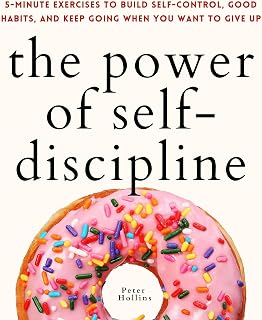
The Power of Self-Discipline: 5‑Minute Exercises — $0.00 (audiobook), ★4.4 — Quick daily exercises to build self‑control. Read one each morning before your toddler wakes.

Digital Self-Discipline — $12.99, ★4.8 — Specifically addresses screen addiction. If you want to be present for your child’s routines, this book will help you reclaim your focus.
Comparison Table: Top Self‑Discipline Books for Parents
| Product | Price | Rating | Key Focus | Buy at Amazon |
|---|---|---|---|---|
|
$8.66 | 4.7 | Eliminating excuses & taking action | Buy on Amazon |
|
$0.00 | 4.8 | Small habits that stick | Buy on Amazon |
|
$12.93 | 4.7 | Mental toughness & owning your schedule | Buy on Amazon |
|
$0.00 | 4.4 | Quick daily exercises | Buy on Amazon |
|
$12.99 | 4.8 | Breaking screen addictions | Buy on Amazon |
These books aren’t just for you — they’re investments in the calm, consistent energy you bring to your toddler’s self regulation journey.
Common Challenges and How to Handle Them
Even with the best routines, things will go sideways. Here are three typical obstacles and how to pivot.
Challenge 1: The Toddler Refuses the Routine
What to do: Don’t force it. Instead, offer a choice within the routine. “Do you want to brush your teeth with the blue toothbrush or the green one?” Autonomy reduces resistance. If they still refuse, say “We can try again in two minutes” and walk away. The routine is the framework, not a power struggle.
Challenge 2: You’re Too Exhausted to Be Consistent
What to do: Simplify your routine to one non‑negotiable step. For example, only the bedtime breathing ritual matters. Do it imperfectly. Even 30 seconds of calm connection reinforces self regulation 2 year olds better than skipping altogether.
Challenge 3: Your Child Has a Strong Temperament
What to do: Some two‑year‑olds are more intense. That’s normal. Double down on routines that include movement (like jumping before sitting) and sensory input (like a weighted blanket). Consider reading The Power of Discipline to strengthen your own endurance. This book by Daniel Walter ($16.83, ★4.6) teaches how to use self‑control to persevere when parenting gets hard.
The Parent’s Self‑Discipline: Your Most Important Tool
You can’t pour from an empty cup. Building self regulation 2 year olds demands that you also practice self‑discipline — not harshly, but with intention. That means:
- Setting your own wake‑up time before your child rises
- Putting your phone away during routines
- Taking three deep breaths before responding to a tantrum
- Saying no to extra commitments that drain your energy
When you treat your own self‑discipline as a priority, you become a walking example of calm control. Your child learns by watching you: “Mom/Dad can pause, so I can too.”
Quick Book Recommendations for Parents
If you want to dive deeper into building your own self‑discipline, these titles are excellent:
- Discipline Is Destiny ($5.88, ★4.7) – Ryan Holiday’s stoic approach to self‑control
- The Science of Self-Discipline ($0.00, ★4.5) – Practical neuroscience‑based strategies
- Mindful Self-Discipline ($0.00, ★4.7) – Living on purpose amid distraction
Frequently Asked Questions About Self Regulation 2 Year Olds
Q: At what age should I start teaching self regulation?
You can start as early as infancy by responding sensitively to cues. But age two is a sweet spot because children begin to understand cause and effect and can follow simple instructions.
Q: How long does it take for routines to work?
Most children adapt to a new routine within one to two weeks if it’s consistent. However, big transitions (starting daycare, new sibling) may set progress back. Be patient.
Q: What if my child has a developmental delay?
Talk to your pediatrician. Children with delays may need modified routines with more visual cues and extra repetition. The same principles apply, but at a slower pace.
Q: Is it okay if my child doesn’t master self regulation by three?
Absolutely. Self regulation develops over years, not months. The goal at age two isn’t mastery — it’s introducing the concept and building a foundation.
Q: Can I use rewards to encourage self regulation?
Use rewards sparingly. A sticker chart for completing a routine can work short term, but the ultimate goal is intrinsic motivation. Pair rewards with praise that highlights the effort: “You waited so patiently — that took real self control.”
Final Thoughts
Building self regulation 2 year olds isn’t about creating perfect robots. It’s about giving your child the tools to navigate big feelings, make better choices, and grow into a confident person. Simple daily routines — done with love and consistency — are your most powerful tool.
And while you teach them, remember to strengthen your own self‑discipline. The books, exercises, and mindset shifts that help you stay calm and committed will ripple through every part of your family’s life.
Start today. Pick one small routine. Do it tomorrow. The day after that. Before you know it, both you and your two‑year‑old will have built something beautiful: a home where self regulation and connection grow side by side.