
Let’s be honest. You’ve tried to get disciplined before. You set big goals, bought a planner, maybe even downloaded a habit tracker. Then life happened. The enthusiasm faded, and you were back to scrolling at midnight, hitting snooze, and wondering why self-control feels like a myth.
That’s not because you’re weak. It’s because most approaches to discipline start with a sprint when what you really need is a steady walk. This self discipline challenge is different. It’s built on small, almost laughably simple daily rules that stack into real, lasting change. No drastic overhauls. No marathon willpower sessions. Just 14 days of consistent, practical actions that rewire your brain for self-control.
I’ve designed this plan using insights from behavioral science, Stoic philosophy, and the best resources on self-discipline including No Excuses!: The Power of Self-Discipline by Brian Tracy, a book that has helped thousands transform their lives.

Ready to stop dreaming about discipline and start living it? Let’s dive into the 14-day challenge that actually sticks.
Table of Contents
What Makes This Self Discipline Challenge Different?
Most self discipline challenges fail for three reasons. They ask too much too soon. They don’t account for real life distractions. And they lack a clear structure for recovery when you slip up.
This challenge flips that script. Each day introduces one simple rule that builds on the previous day. You won’t be expected to run five miles on Day 1 or wake up at 4 AM. Instead, you’ll master tiny victories that create momentum.
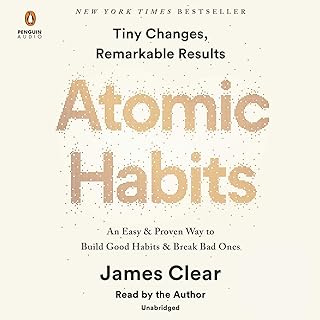
The science backs this up. James Clear, author of Atomic Habits, explains that habits stick when they are easy, obvious, and satisfying. This challenge applies that principle. It also borrows from the Stoic idea that discipline is the bridge between goals and accomplishment, a concept explored in Discipline Is Destiny.
You’re not just following a checklist. You’re building a mental framework that makes self-control automatic.
The 14-Day Self Discipline Challenge: Daily Rules and Actions
Each day has one core rule and a simple action. Do this action every day. No exceptions. If you miss a day, don’t quit. Restart from that day or pick up where you left off. The point is progress, not perfection.
Day 1: Make Your Bed
Rule: Within five minutes of waking up, make your bed. That’s it. This tiny win sets the tone for a disciplined day. As Admiral William H. McRaven said in his book Make Your Bed, “If you can’t do the little things right, you will never do the big things right.”

Action: Make your bed before you do anything else. Notice how this small act shifts your mindset.
Day 2: No Phone for the First 30 Minutes
Rule: Do not touch your phone for the first 30 minutes after waking. Use that time to get ready, eat breakfast, or just be present.
This habit prevents the morning dopamine hijack that usually derails your focus. Instead of starting your day reactive, you start intentional.
Action: Put your phone on airplane mode overnight. When you wake, resist the urge to check notifications.
Day 3: Write Down Your Top Three Priorities
Rule: Before breakfast, write down three things you absolutely need to accomplish today. Not a long list. Just three.
This forces clarity. As The Power of Discipline by Daniel Walter teaches, discipline thrives when you know exactly what to focus on.

Action: Use a notebook or a single index card. Keep it visible while you work.
Day 4: Embrace One Uncomfortable Task
Rule: Do something you don’t want to do, and do it first. Cold shower? A difficult conversation? Cleaning the bathroom? Pick one.
Stoic philosophy calls this “voluntary discomfort.” It trains your brain that you can handle hard things. The book Discipline Equals Freedom by Jocko Willink is built on this very principle.

Action: Identify one uncomfortable action. Do it within the first hour of your day.
Day 5: Follow a Strict Time Block
Rule: For three hours today, work in uninterrupted blocks of 90 minutes with a 15-minute break in between. No phone, no social media, no multitasking.
This deep work session is where real progress happens. The Science of Self-Discipline explains that willpower is like a muscle; you need to use it without burnout.

Action: Set a timer. Close all distractions. Focus on one task until the timer rings.
Day 6: Eat Without Screens
Rule: For all meals today, eat without looking at a screen. No TV, phone, or laptop. Just you and your food.
This practice cultivates mindfulness and prevents mindless overeating. It also builds discipline in a low stakes environment.
Action: Set your phone aside. Sit at a table. Chew slowly.
Day 7: Journal for Five Minutes
Rule: Before bed, write for five minutes about your day. What went well? What tested your discipline? What will you do differently tomorrow?
Reflection is a cornerstone of growth. 365 Days With Self-Discipline by Martin Meadows encourages this daily habit to reinforce self control.

Action: Keep a notebook by your bed. Write freely and honestly.
Day 8: Say “No” to One Distraction
Rule: Identify one distraction that usually pulls you away from your priorities (social media, gossip, unnecessary meetings) and say no to it today.
Discipline is as much about what you don’t do as what you do. The book Yes to You, No to Them dives deep into the freedom that comes from setting boundaries.

Action: When the distraction appears, pause and say “I choose not to” then pivot to your priority.
Day 9: Read 10 Pages of a Discipline Book
Rule: Read ten pages from a book about self-discipline. It can be any of the books mentioned in this article.
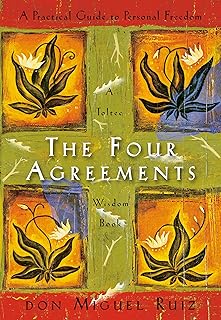
Reading puts you in the right mindset and reinforces your commitment. The Four Agreements by Don Miguel Ruiz offers profound insights on personal freedom through disciplined agreements with yourself.
Action: Pick a book. Read ten pages. No more, no less.
Day 10: Digital Detox for Two Hours
Rule: Spend two hours completely offline. No internet, no streaming, no games. Use the time to read, walk, or do a hands on hobby.
Digital clutter weakens focus. Digital Self-Discipline is an excellent resource for breaking free from dopamine’s snare.

Action: Put your phone in another room. Set a timer. Do something analog.
Day 11: Practice the 5 Second Rule
Rule: When you feel the urge to procrastinate, count down 5 4 3 2 1 and move. This trick from Mel Robbins interrupts the habit loop.
It’s a simple way to override your brain’s resistance and take action.
Action: Anytime you hesitate on a task, use the countdown and start immediately.
Day 12: Use a Single Word Mantra
Rule: Choose one word that represents your ideal disciplined self (e.g., “focus”, “strength”, “consistent”). Repeat it silently whenever you feel your willpower dipping.
Stoic practice often uses short phrases to align action with intention. Stoic Self-Discipline offers 33 such ancient secrets for mental toughness.

Action: Write your word on a sticky note. Look at it during tough moments.
Day 13: Review and Adjust
Rule: Look back at your last 12 days. What worked? Where did you struggle? Adjust your approach for the final day.
This reflection cements the learning. The Psychology of Self-Discipline provides 24 strategies to rewire your brain, and this review is one of them.

Action: Spend 10 minutes journaling about your progress. One small tweak can make a big difference.
Day 14: Design Your Next 14 Days
Rule: Plan your next self discipline challenge based on what you learned. Keep the rules that worked, drop or modify the ones that didn’t.
Lasting change comes from iteration, not perfection. The Mountain Is You by Brianna Wiest teaches that transforming self sabotage into self mastery is a continuous process.

Action: Write a simple 14 day plan for yourself. Commit to starting tomorrow.
How to Make This Self Discipline Challenge Stick
Following the daily rules is one thing. Making them permanent is another. Here are four strategies to lock in your progress.
Stack Habits
Link your new discipline actions to existing habits. For example, make your bed right after you brush your teeth. This uses the habit stacking method from Atomic Habits.
Design Your Environment
Remove friction from good habits and add friction to bad ones. Keep your journal on your pillow so you can’t miss it. Keep your phone charger in the living room, not the bedroom.
Small environmental changes have a massive impact on willpower.
Use Accountability
Share your challenge with a friend or post on social media. Public commitment raises the stakes. You can also use the daily check ins from Mindful Self-Discipline to stay on track.

Build Recovery Into Your Routine
You will slip. Everyone does. The key is to have a plan for getting back on track. If you miss a day, restart the next day without guilt. The 5 minute exercises in The Power of Self-Discipline are perfect for quick recovery.
Comparison Table: Best Books to Complement Your Self Discipline Challenge
| Product | Image | Price | Rating | Key Takeaway | Buy at Amazon |
|---|---|---|---|---|---|
| No Excuses! | |
$8.66 | 4.7 | The power of self-discipline in all areas of life | Buy Now |
| Atomic Habits | |
$0.00 (Kindle) | 4.8 | Small changes lead to remarkable results | Buy Now |
| Discipline Equals Freedom | |
$12.93 | 4.7 | A field manual for mental toughness | Buy Now |
| The Power of Discipline | |
$16.83 | 4.6 | How to use self control to achieve your goals | Buy Now |
| The Mountain Is You | |
$0.00 (Kindle) | 4.7 | Transforming self sabotage into self mastery | Buy Now |
Frequently Asked Questions About the Self Discipline Challenge
What if I miss a day during the challenge?
Missing a day is not failure. It is feedback. Simply resume the next day from where you left off. Do not try to cram two days into one. The challenge is designed to be flexible. Consistency over time matters more than perfection.
Can I repeat this self discipline challenge multiple times?
Absolutely. In fact, repeating the challenge with slight modifications is the best way to build lasting habits. Each round will reveal new areas for growth. Many people run it monthly using different daily rules.
How long until I see real changes in my self control?
You will feel a shift within the first week as your confidence grows. Significant changes in willpower and habit strength typically require 30 to 60 days of consistent practice. The 14 day challenge is a powerful kick starter.
Do I need to buy any books to succeed?
No. The challenge works on its own. However, the recommended books accelerate your learning and provide deeper insights. If you choose one, start with Atomic Habits or No Excuses!.
What is the most important rule in the challenge?
Making your bed on Day 1. It sounds trivial, but it sets a standard for the rest of the day. It is the domino that topples the others.
How do I stay motivated after day 14?
Motivation fades. That’s why this challenge is built on routine, not motivation. After the 14 days, design your own continuous challenge using the same framework. Keep it simple. Keep it consistent.
Your Next Step
You now have a complete, research backed self discipline challenge that actually sticks. The daily rules are simple but powerful. The resources are at your fingertips. The only thing missing is your first action.
Start tomorrow morning. Make your bed. That single act will set the stage for two weeks of transformation.
Discipline is not a talent. It is a skill you build one small decision at a time. And you just built the blueprint.
Now go make it happen.