
If the word “discipline” makes you think of early alarms, cold showers, and a life without joy, you are not alone. Most people associate discipline with restriction rather than freedom. But what if you could build self discipline art into your daily routine through creative projects that feel like play, not punishment?
The self discipline art approach flips the script. Instead of forcing yourself to sit still and grind, you channel your focus into painting, writing, coding, gardening, or any craft that demands attention. The result? You train your mental muscles without the misery. This article explores exactly how creative projects can sharpen your concentration, build willpower, and make consistency feel natural.
Table of Contents
What Is Self Discipline Art and Why Does It Work?
Self discipline art means using creative work as a vehicle for building self-control. When you engage in a project that requires regular practice—like learning guitar or writing a short story—you naturally develop the habits of showing up, pushing through frustration, and refining your skills.
The reason it works is simple: creativity hooks your brain’s reward system. You are not “doing discipline”; you are making something you care about. The focus becomes a byproduct, not the goal. Psychologists call this intrinsic motivation, and it is far more sustainable than external pressure.
According to research in The Science of Self-Discipline, willpower depletes when you rely on brute force. But when you pair self-control with passion, your energy rebounds. Creative projects provide that emotional fuel.

Why Creative Projects Are a Perfect Training Ground for Self Discipline
1. They Require Consistent Repetition
Every creative skill improves with practice. Playing scales on a piano, drawing the same still life, revising a poem—these are acts of repeated effort. Doing them daily builds the habit of turning up, which is the essence of self discipline art.
2. They Teach You to Handle Frustration
Your canvas will smudge, your code will break, your clay will crack. Creative work is full of setbacks. Learning to breathe and try again develops emotional regulation—a key component of self-discipline.
3. They Provide Immediate Feedback
You see progress in real time. A better brushstroke, a cleaner edit, a smoother chord. This feedback loop keeps you engaged and reinforces the discipline habit without you needing a reward chart.
4. They Make Time Disappear
Ever lost an hour writing or building something? That is flow state, and it is identical to deep focus. When you regularly enter flow through creativity, your ability to concentrate on any task strengthens.
Best Creative Projects to Train Self Discipline
Not all creative activities are equal for building focus. The best ones challenge you just enough without overwhelming you. Here are five proven categories of self discipline art.
| Category | Example Projects | Focus Skill Trained |
|---|---|---|
| Visual Arts | Drawing, painting, sculpture | Patience, precision |
| Writing | Journaling, fiction, poetry | Consistency, clarity |
| Music | Learning an instrument, composing | Repetition, listening |
| Digital Creation | Coding, graphic design, video editing | Problem-solving, iteration |
| Handicrafts | Knitting, woodworking, gardening | Attention to detail, delayed gratification |
Choose one that excites you. The self discipline art method works best when you actually look forward to the practice.
Step-by-Step Guide: Using a Creative Project to Build Self Discipline
Step 1: Pick a Project That Fits Your Life
Do not aim to write a novel in a month. Start with something small: draw for 10 minutes daily, write 200 words, practice one guitar chord until it sounds clean. The project must be finite enough to feel achievable.
Step 2: Set a Non-Negotiable Time
Treat your creative session like a meeting you cannot cancel. Early morning, lunch break, or right after work—pick a slot and guard it. This structure is where self discipline art begins.
Step 3: Remove Distractions
Put your phone in another room, close unnecessary tabs, tell your family you are busy. The goal is to protect your focus for the duration of the project. Even 15 minutes of undistracted work beats an hour of half-hearted effort.
Step 4: Embrace the “Bad” Phase
Every beginner produces ugly work. That is fine. Self-discipline is not about being good; it is about doing the work regardless. The self discipline art mindset says: “I will show up, even if I produce garbage today.”
Step 5: Track Your Streak
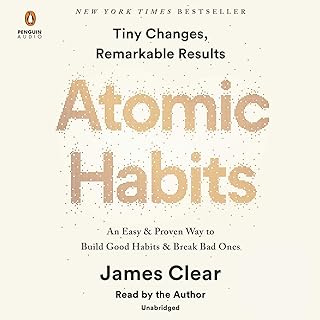
Use a simple habit tracker. Mark an X each day you complete your creative session. The visual chain builds momentum—you will not want to break it. This technique is famously discussed in Atomic Habits.
Step 6: Reflect Weekly
Every Sunday, ask yourself: “What felt hard? What felt easy? How did my focus change?” Journaling this insight reinforces the link between creativity and discipline.
How Self Discipline Art Differs From Traditional Methods
Traditional self-discipline advice often feels like boot camp. Wake up at 5 AM, meditate for 20 minutes, crush your to-do list. That works for some, but many people burn out because the process lacks joy.
Self discipline art replaces willpower with curiosity. You are not “forcing” yourself to focus; you are following your interest into deeper concentration. The result is a softer, kinder discipline that actually sticks.
Compare the two approaches:
| Traditional Self-Discipline | Self Discipline Art |
|---|---|
| Focus on outcome (finish the task) | Focus on process (enjoy the practice) |
| Rigid rules and schedules | Flexible routines anchored to passion |
| Motivates through fear of failure | Motivates through love of creation |
| Can feel like drudgery | Feels like play |
Which one sounds more sustainable? Exactly.
Real Examples: Creative Projects That Forge Self Discipline
The Writer Who Wrote One Sentence a Day
Author James Clear (before Atomic Habits) committed to writing just one sentence each day. That tiny creative act snowballed into a bestseller. The self discipline art here was showing up with no pressure—the focus built naturally over time.
The Coder Who Built an App in 30 Days
A beginner developer decided to code 30 minutes daily for a month. The first week was frustrating; nothing worked. But by week three, he could debug faster. His concentration muscle grew because he kept returning to the keyboard.
The Painter Who Finished 100 Small Canvases
A friend of mine committed to painting one 4×4 inch canvas daily for 100 days. Some were ugly, some were beautiful. But the habit stuck. Now she paints large works with ease, and her ability to focus for hours is second nature.
These stories show that self discipline art is not about talent—it is about repetition and resilience.
Common Obstacles and How to Overcome Them
“I don’t have time.”
Use the 5-minute rule. Tell yourself you will work on the project for just five minutes. Often that is enough to get started, and you will keep going. This trick works because starting is the hardest part.
“I’m not creative enough.”
Creativity is a skill, not a gift. Everyone can learn to draw stick figures, write haikus, or whittle a spoon. The self discipline art method is about the doing, not the outcome.
“I get bored.”
Boredom is a sign that your brain wants novelty. Switch projects for a week. Try watercolor instead of graphite, or poetry instead of prose. The key is keeping the creative muscle engaged, not forcing the same medium.
“I miss a day.”
One missed day does not break the habit. Skip the guilt and return the next day. Research on habit formation shows that missing once has almost no effect on long-term consistency. The real damage comes from missing twice and quitting.
Recommended Books to Deepen Your Self Discipline Art Practice
These resources will help you understand the psychology behind focus, habit formation, and self-control. Each one offers practical techniques you can apply to your creative projects.

No Excuses!: The Power of Self-Discipline by Brian Tracy ($8.66, 4.7 stars). A no-nonsense guide that pairs perfectly with creative goal setting. Tracy teaches 21 ways to stop making excuses and start doing the work.

Discipline Equals Freedom: Field Manual Mk1-MOD1 by Jocko Willink ($12.93, 4.7 stars). A raw, motivational field manual. Willink’s philosophy of “embracing the suck” applies directly to pushing through creative blocks.

Make Your Bed by Admiral William H. McRaven ($6.95, 4.7 stars). This tiny book shows how small daily actions build extraordinary discipline. Great for reinforcing the habit approach to creativity.
Comparison Table of Top Self-Discipline Books for Creative People
| Product | Price | Rating | Best For | Buy Now |
|---|---|---|---|---|
|
$8.66 | 4.7 | Simple, actionable steps | Buy at Amazon |
|
Free with Audible trial | 4.8 | Habit stacking, tiny changes | Buy at Amazon |
|
$12.93 | 4.7 | Mental toughness, warrior mindset | Buy at Amazon |
|
$6.95 | 4.7 | Starting small, building momentum | Buy at Amazon |
 |
$16.83 | 4.6 | Science-based strategies | Buy at Amazon |
How to Stay Motivated Long Term
The self discipline art method works because it is self-reinforcing. But even passionate projects can get stale. Here is how to keep the fire alive:
- Rotate projects every 3–6 months. Learn a new instrument, try photography, start a blog. Novelty replenishes motivation.
- Share your work publicly. Post your sketches, upload your songs, tell a friend what you built. Accountability amplifies focus.
- Celebrate small wins. Finished a chapter? Rewatched the edits? Give yourself a genuine cheer. Dopamine rewards strengthen the habit loop.
- Reconnect to your “why.” Why did you start? Write it on a sticky note and place it on your desk. Revisiting your purpose reignites discipline.
The Surprising Benefit: Self Discipline Art Transfers to Other Areas
Here is the real magic. When you train focus through a creative project, that skill leaks into everything else.
- You start working on spreadsheets with the same patience you use while carving wood.
- You handle tough conversations with the same calm you have when your painting goes wrong.
- You wake up and exercise because you have already proven you can show up for yourself.
The self discipline art approach does not just make you a better artist. It makes you a more disciplined human being across the board.
Frequently Asked Questions About Self Discipline Art
Q: Can I use self discipline art if I do not consider myself creative?
Absolutely. The point is not to create a masterpiece. The point is to engage in a process that requires focused effort. Try gardening, cooking, coding, or even coloring books. Those are creative acts too.
Q: How long before I see results in my self-control?
Most people notice improved concentration within 2–3 weeks of consistent daily practice. Real habit change takes about 66 days on average (based on University College London research). Stick with it.
Q: What if I hate the project I started?
Switch immediately. Forcing yourself to do something you detest defeats the purpose. The self discipline art method relies on intrinsic enjoyment. Find another medium until one clicks.
Q: Can I use multiple projects at once?
Only if you have the bandwidth. Beginners should stick to one project for at least 30 days. Once the habit is solid, you can add a second creative outlet.
Q: How do I measure progress?
Track your consistency, not your output. A perfect streak of 10-minute sessions is more valuable than a single 5-hour marathon. The discipline is in the repetition.
Final Thoughts: Start Your Self Discipline Art Journey Today
You do not need a strict regimen to build self-discipline. You need a project you love enough to keep showing up for. That is the self discipline art philosophy in a nutshell.
Pick one creative activity. Commit to doing it for 10 minutes daily. Protect that time like a sacred appointment. Frustration will come, but so will progress. Before long, you will notice your focus sharpening, your willpower strengthening, and your life feeling more purposeful.
The best part? It will not feel like work at all. It will feel like becoming who you are meant to be.
Pick up a brush, a pen, or a tool. Start today. Your future self will thank you.