
You want to stay disciplined every single day. But let’s be honest: the thought of grinding for 365 days straight sounds exhausting. Maybe even a little insane. The problem isn’t your desire to improve. It’s that most people treat self discipline 365 like a marathon they never trained for. They sprint in January and collapse by March.
The real secret is not about pushing harder. It’s about building a system that keeps you moving without draining your willpower. In this guide, you’ll learn exactly how to maintain consistency all year long using proven strategies from psychology, habit science, and the best books on self-discipline.

Let’s start with the biggest myth about self-discipline.
Table of Contents
The Myth of 365 Days of Constant Grind
When you hear “self discipline 365,” you might picture waking up at 5 AM, cold plunges, and zero fun. That image is not sustainable. No one can operate at peak intensity for a full year without rest, recovery, and intelligent pacing.
The truth: consistency isn’t about being perfect every day. It’s about being good enough most days. According to James Clear, author of Atomic Habits, missing a habit once is fine. Missing twice starts a new habit of quitting. The goal is to never miss twice.
So how do you avoid the burnout trap while still making real progress? You need to build self discipline 365 on a foundation of smart habits, not raw willpower.
What Self Discipline 365 Really Means
Self discipline 365 is not a rigid rulebook. It’s a mindset of showing up for yourself every day, even when motivation fades. It requires a balance between effort and recovery, structure and flexibility, ambition and self-compassion.
Key components of sustainable self discipline:
- Habit stacking – attach new habits to existing routines.
- Environmental design – make good choices easy and bad choices hard.
- Energy management – work with your natural rhythms, not against them.
- Recovery as a practice – rest is part of discipline, not the opposite.
“Discipline is choosing between what you want now and what you want most.” – Abraham Lincoln
To make this work across 365 days, you need a plan that adapts to seasons, stressors, and life curveballs.
The Science of Sustainable Self Discipline
Research in psychology and neuroscience shows that willpower is like a muscle. It can be strengthened but also fatigued. The key is to use it strategically, not waste it on trivial decisions.
Key findings:
- Ego depletion – decision fatigue lowers self-control. Reduce unnecessary choices.
- Implementation intentions – “If X happens, then I will Y” makes execution automatic.
- Reward systems – dopamine from small wins fuels long-term consistency.
- Identity shift – when you see yourself as a disciplined person, your actions follow.
One of the most effective tools is temptation bundling – pairing a habit you need with something you enjoy. For example, listen to your favorite podcast only while exercising.
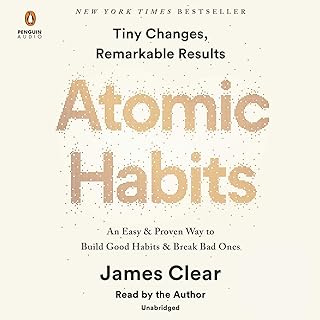
This is a core concept in James Clear’s Atomic Habits, which has helped millions build reliable routines.
Designing Your Self Discipline 365 System
You don’t need more motivation. You need a system that works when motivation is absent. Here’s a step-by-step framework.
1. Identify Your Non-Negotiables
Pick three to five habits that will have the biggest impact on your life. These are your non-negotiables. Every day, you must complete them. Everything else is a bonus.
Examples of non-negotiables:
- 20 minutes of focused work on your main goal.
- 15 minutes of movement.
- 5 minutes of gratitude or journaling.
- One healthy meal.
- No phone first 30 minutes after waking.
Keep the list short. When everything is a priority, nothing is.
2. Set Minimum Effective Doses
Some days you’ll feel tired, sick, or overwhelmed. That’s when a minimum effective dose saves you. This is the smallest version of a habit that still counts.
| Habit | Full dose | Minimum dose |
|---|---|---|
| Exercise | 45 min gym | 10 pushups |
| Reading | 30 pages | 1 page |
| Writing | 500 words | 1 sentence |
| Meditation | 10 min | 1 deep breath |
When you hit your minimum, you maintain the streak. The streak is everything in self discipline 365.
3. Use the “Two Day Rule”
Never miss two days in a row. This simple rule, popularized by Matt D’Avella, prevents small slip-ups from turning into total collapse. If you miss a day, forgive yourself. But get back on track the next day.
Why it works:
- It removes guilt and perfectionism.
- It keeps your identity as a disciplined person intact.
- It prevents the spiral of “I already ruined the week.”
How to Avoid Burnout While Staying Consistent
Burnout happens when the demands of discipline outweigh your recovery. To prevent it, build recovery into your system from day one.
Strategies for burnout prevention:
- Schedule deliberate rest – block out entire days or weeks where you deliberately do less. These are not failures; they are part of the plan.
- Use cyclical intensity – work in sprints. For example, 6 weeks of high focus, then 1 week of low focus.
- Change the environment – sometimes a change of scenery resets your energy.
- Practice self-compassion – beating yourself up drains more willpower than the mistake itself.
Self discipline 365 is not about being a robot. It’s about being a human who shows up again and again.
The Role of Digital Self Discipline
In today’s world, your phone is the biggest enemy of consistency. Dopamine-driven apps hijack your attention and erode willpower. If you don’t control your digital life, it will control you.
Practical steps:
- Remove social media apps from your home screen.
- Use grayscale mode to reduce visual stimulation.
- Set app timers that lock you out after 15 minutes.
- Designate phone-free hours, especially the first hour of the day.

The book Digital Self-Discipline by an anonymous author (rated 4.8) offers a complete blueprint for breaking free from digital addictions and reclaiming your focus.
Books That Can Transform Your Self Discipline 365 Journey
Reading the right material can accelerate your growth. Here are some of the best books on self-discipline, willpower, and consistent action.

Jocko Willink’s Discipline Equals Freedom is a no-excuses field manual that will push you to take ownership of your life. Every page is a direct challenge to your weaknesses.
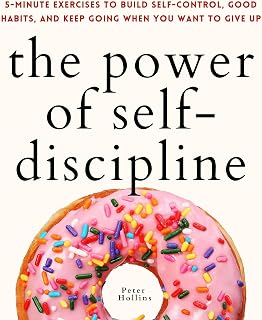
The Power of Self-Discipline: 5-Minute Exercises (rated 4.4) gives you quick, actionable practices to build self-control and keep going when you want to quit. Perfect for busy schedules.

365 Days With Self-Discipline (rated 4.5) offers daily thoughts and prompts on self-control, mental resilience, and success. It’s like a year-long coaching session in your pocket.
Comparison Table: Top Self Discipline Books
| Product | Price | Rating | Key Focus | Buy at Amazon |
|---|---|---|---|---|
|
$0.00 (Audible) | 4.8 | Building habits through tiny changes | Buy on Amazon |
|
$12.93 | 4.7 | Military-style mental toughness | Buy on Amazon |
|
$0.00 (Audible) | 4.5 | Daily reflection and prompts | Buy on Amazon |
|
$0.00 (Audible) | 4.4 | Quick daily exercises | Buy on Amazon |
Each of these books brings a unique angle. Use them to complement your personalized system.
The Power of Preaching to Yourself
Self discipline 365 also requires internal dialogue management. You have to remind yourself daily why you’re doing this.
Note to Self: The Discipline of Preaching to Yourself (rated 4.6) by Jack Miller teaches you how to speak truth to your own soul. When your inner critic gets loud, you need a louder voice of purpose.

Common Pitfalls That Derail Self Discipline 365
Even with the best system, you’ll face challenges. Here are the most common traps and how to avoid them.
Pitfall 1: All or Nothing Thinking
You miss one workout and decide the whole week is wasted. This mindset kills consistency. Instead, use the two-day rule. Miss one, but never two.
Pitfall 2: Overloading Your Plate
You try to change everything on January 1st. By February, you’re back to old habits. Focus on one habit at a time. Build it into automatic behavior before adding another.
Pitfall 3: Ignoring Your Energy Cycles
Some people are morning larks, others night owls. Trying to follow a generic schedule will burn you out. Align your hardest tasks with when you have the most energy.
Pitfall 4: No Accountability
When no one knows your goals, it’s easy to let them slide. Share your commitments with a friend, join a group, or use an app to track streaks.
How to Stay Consistent During Vacations, Holidays, and Setbacks
Life happens. You have holidays, family emergencies, illness, travel. Your system must be flexible enough to handle these without resetting to zero.
Strategies for interruptions:
- Create a travel version of your habits (e.g., bodyweight exercises instead of gym).
- Set a minimum dose that can be done anywhere (e.g., one deep breath or one pushup).
- Plan a restart day after the interruption. Mark it on your calendar.
- Do not double up on missed days. That leads to burnout. Just resume normal routine.
Building Mental Toughness Through Stoic Principles
The ancient Stoics have timeless wisdom for self-discipline. They taught that we can’t control external events, only our responses. This mindset protects you from frustration when life doesn’t go as planned.
In Stoic Self-Discipline: Stoicism’s 33 Ancient Secrets (rated 4.7), you’ll learn practical techniques from Marcus Aurelius, Seneca, and Epictetus. These aren’t just theoretical; they’re daily practices.

Key Stoic practices:
- Morning meditation – visualize your day and prepare for challenges.
- Negative visualization – imagine losing what you have, which builds gratitude and reduces fear.
- Focus on what you control – your thoughts, actions, and reactions. Not others’ opinions.
Why You Need Both a Framework and Flexibility
Self discipline 365 thrives on structure, but rigidity breaks. Build a framework of non-negotiables, but allow for flexibility in execution. If you planned a 30-minute workout but only have 10, do 10. If you planned to read 10 pages but only manage 1, do 1.
The key is the streak. As long as you don’t break the chain, you’re winning.
Frequently Asked Questions About Self Discipline 365
Q: How do I start self discipline 365 if I have no willpower left?
Start with one tiny habit. Make it so small it feels laughable. One pushup, one sentence, one minute. Do it every day for two weeks. That builds momentum.
Q: What if I fail on day 30?
Failure is part of the process. The question is not whether you will fail, but how quickly you get back up. Use the two-day rule. Never miss two days in a row. And forgive yourself.
Q: Do I need to be strict every single day?
No. Some days you need rest. Some days you’ll be sick. The goal is to show up imperfectly but consistently. Over the course of a year, the average matters more than the individual day.
Q: Can I use an app to track self discipline?
Yes. Habit trackers like Streaks, Habitica, or even a simple calendar can help. The act of checking off a box is a small reward that reinforces the habit.
Q: What is the best book on self discipline 365?
It depends on your learning style. For habit science, start with Atomic Habits. For mental toughness, read Discipline Equals Freedom. For daily inspiration, try 365 Days With Self-Discipline.
Q: How do I handle days when I really don’t want to do anything?
Use the five-minute rule. Tell yourself you’ll do the task for just five minutes. Then give yourself permission to stop. Usually, once you start, you’ll keep going.
Your Self Discipline 365 Action Plan
Now it’s time to stop reading and start doing. Here’s a one-page action plan you can implement today.
- Pick 3 non-negotiable habits (write them down).
- Set a minimum effective dose for each.
- Decide your trigger (after your morning coffee, when you get home, etc.).
- Remove obstacles – if you want to exercise, sleep in your gym clothes. If you want to read, put a book on your pillow.
- Track your streak – use a calendar or app.
- Schedule rest – once a week, do only your minimums. Once a month, take a full day off.
- Review monthly – what worked? What didn’t? Adjust and continue.
Remember, self discipline 365 is not about perfection. It’s about showing up enough times that the compound effect works in your favor. A year from now, you’ll look back and realize the small everyday actions created a transformation you once thought impossible.
Start today. Even if you stumble, even if you feel weak. Start, and then start again tomorrow. That is the essence of self discipline 365.
Disclosure: As an Amazon Associate, I earn from qualifying purchases. The products mentioned are curated for their quality and relevance to building self-discipline.