
If you have ever felt like your mind is a wild horse that refuses to be tamed, you are not alone. Distractions, emotional reactions, and a wandering attention span are the modern plagues of productivity and peace. That is where self control Yiquan enters the picture. This ancient Chinese martial art, often called “mind boxing,” is not about learning fancy kicks or breaking boards. At its core, it is a rigorous training system for your brain. Self control Yiquan teaches you to hold your focus like a laser, maintain physical balance under pressure, and cultivate the kind of iron discipline that makes you unstoppable at work, in relationships, and in life.
Think of it like this: if your self-discipline were a muscle, Yiquan would be the heavy squat. It forces you to confront your own mental chaos and turn it into ordered, purposeful action. And the best part? You do not need to become a martial arts champion to benefit. The principles of self control Yiquan are just as effective when applied to your morning routine, your inbox, or your financial goals.
Before we dive deep, here is a quick grounding point: good self-discipline books like Atomic Habits: An Easy & Proven Way to Build Good Habits & Break Bad Ones and Discipline Equals Freedom: Field Manual Mk1-MOD1 can complement your Yiquan practice. But the real transformation happens when you actually step onto the mat (or even just stand still in your living room) and start doing the work.
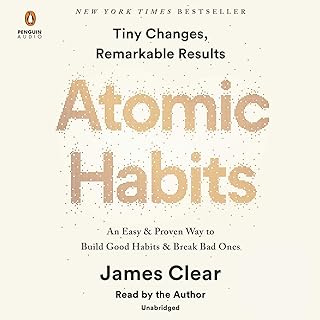
Table of Contents
What Is Self Control Yiquan?
Yiquan (pronounced “ee-chwen”) was developed by the martial artist Wang Xiangzhai in the early 20th century. He stripped away all the fixed forms of traditional Chinese boxing and focused entirely on the underlying principles: intent (Yi) and power (Quan) . The result is a practice that looks deceptively simple — standing still, slow movements, and subtle shifts of weight — but feels incredibly demanding.
Self control Yiquan is the direct application of these principles to your ability to govern yourself. It teaches you to:
- Hold your attention steady on a single internal sensation.
- Relax your body even when your mind wants to tense up.
- React with precision instead of impulse.
- Maintain balance when life throws you off center.
Unlike many self-discipline methods that rely on willpower (which depletes), Yiquan builds a kind of effortless control. You learn to act from a place of calm clarity rather than forced grit.
The Three Pillars of Self Control Yiquan
Let’s break down the three core areas where self control Yiquan directly strengthens your self-discipline.
1. Focus: The Art of Holding Still
The first pillar is intent concentration. In Yiquan, you begin with Zhan Zhuang (standing like a tree). You stand in a specific posture — feet shoulder-width apart, arms held as if hugging a tree — and you do nothing but feel. You focus on your breath, the tension in your shoulders, the weight distribution in your feet.
Sounds easy? Try it for five minutes. Your mind will scream for a phone, a snack, anything. Self control Yiquan trains you to ignore that noise and stay present. Over time, this focus becomes a skill you can transfer to any task.
How to practice focus with Yiquan:
- Stand in Zhan Zhuang for 5–10 minutes daily.
- Count your breaths but do not control them.
- When your mind wanders, gently bring it back to the sensation of your body.
- Increase time by one minute each week.
Real talk: The first week will feel like torture. By week four, you will notice you can read a book for an hour without checking your phone. That is the power of self control Yiquan.
2. Balance: Physical Stability, Mental Equanimity
Balance in Yiquan is not just about not falling over. It is about dynamic equilibrium — staying rooted under pressure. You practice weight shifts, slow stepping, and partner drills where you learn to yield without collapsing.
This directly mirrors life. When a stressful email lands in your inbox, do you react with panic or stay balanced? Self control Yiquan teaches you to feel the push (external stress) and respond with structure rather than collapse.
Balance exercises in Yiquan:
- Shifting weight forward and back while keeping your spine vertical.
- Walking slowly as if on a tightrope, with full awareness of each step.
- Partner push-hands exercises that test your root while staying relaxed.
3. Discipline: The Habit of Showing Up
The third pillar is repetition without boredom. Yiquan does not have flashy techniques to keep you entertained. It is repetitive, boring, and deeply uncomfortable. That is exactly the point.
Self-discipline is not a one-time heroic act. It is the daily decision to do what is necessary, even when you do not feel like it. Self control Yiquan forces you to confront that truth every time you stand up to practice.
Why Yiquan builds discipline better than most habits:
- No external rewards: no belts, no medals, no audience.
- Immediate feedback: if you slack off, your body tells you with shaking legs or a wandering mind.
- Compound effect: after 30 days, you will see dramatic improvements in your ability to endure discomfort.
How to Practice Self Control Yiquan for Self-Discipline
You do not need a teacher to start. Here is a simple 15-minute routine you can do at home right now.
Step 1: Stand Like a Tree (Zhan Zhuang) — 8 minutes
- Stand with feet parallel, shoulder-width apart.
- Bend your knees slightly as if sitting on a high stool.
- Raise your arms to chest height, palms facing you, as if hugging a large tree.
- Relax your shoulders. Do not lock your elbows.
- Close your eyes halfway. Focus on your lower abdomen (the Dantian).
- Breathe naturally. Count 10 breaths, then start over.
- If your mind wanders, label the thought “thinking” and return to your body.
Step 2: Slow Walking — 5 minutes
- Take a step forward very slowly — imagine you are moving through honey.
- Keep your weight fully on the back foot until the front foot lands completely.
- Pause for one full breath after each step.
- Walk ten steps forward, then turn and walk back.
- Focus on the sensation of your feet pressing into the ground.
Step 3: Intent Release — 2 minutes
- Stand relaxed. Imagine your entire body is a spring coiled with energy.
- Slowly raise your arms above your head as if lifting a heavy ball.
- Then, with a soft exhale, let your arms drop naturally (do not force them).
- Repeat 10 times. Focus on the feeling of release rather than the movement.
This is a micro dose of self control Yiquan. Do this every day for 30 days, and you will have built a foundational discipline that carries into everything else.
Real-World Benefits Beyond the Dojo
You might be wondering: how does standing still in my living room help me stop procrastinating on my taxes?
Self control Yiquan rewires your nervous system. Here is what the research (and centuries of practice) shows:
| Benefit | How Yiquan Delivers It |
|---|---|
| Emotional regulation | By staying calm under physical discomfort, you learn to pause before emotional reactions. |
| Increased willpower | The daily practice of holding still depletes your ego and builds your willpower reserve, similar to the “muscle model” of self-control. |
| Better decision-making | The focus training improves your ability to disregard distractions and see the big picture. |
| Stress resilience | Deep relaxation during standing recalibrates your stress response. You become harder to rattle. |
One practitioner described it this way: “Before Yiquan, I would snap at my kids when work got tough. After three months, I could feel the anger rising and simply choose not to act on it.” That is self control Yiquan in action.
Essential Books and Resources to Deepen Your Self-Discipline Journey
While practice is irreplaceable, reading can accelerate your understanding and keep you motivated. Below are some of the most powerful resources on self-discipline that align perfectly with the Yiquan mindset. They will help you bridge the gap between martial art and everyday life.
Recommended Reads
Atomic Habits by James Clear — The definitive guide to small changes that build massive discipline. Yiquan is all about subtle adjustments, and this book gives you the science to back it up.

Discipline Equals Freedom by Jocko Willink — No-nonsense, military-grade advice on owning your life. The title says it all.
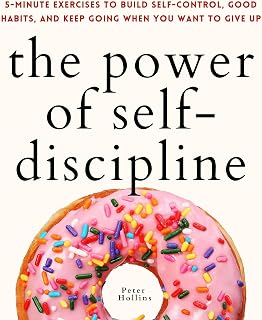
The Power of Self-Discipline: 5-Minute Exercises by Peter Hollins — Perfect for busy people who want bite-sized drills to strengthen their willpower.

Digital Self-Discipline by Marcus Aurelius Anderson — A modern take on overcoming phone addiction and reclaiming your focus. Essential for the digital age.

Mindful Self-Discipline by Giovanni Dienstmann — Blends mindfulness, habit science, and emotional mastery into one actionable system.
Comparison Table: Top Self-Discipline Books
| Product | Price | Rating | Image | Buy Now |
|---|---|---|---|---|
| Atomic Habits | $0.00 (audiobook) | 4.8 ⭐ | |
Buy at Amazon |
| Discipline Equals Freedom | $12.93 | 4.7 ⭐ | |
Buy at Amazon |
| The Power of Self-Discipline (5-Minute Exercises) | $0.00 (audiobook) | 4.4 ⭐ | |
Buy at Amazon |
| Digital Self-Discipline | $12.99 | 4.8 ⭐ | |
Buy at Amazon |
| Mindful Self-Discipline | $0.00 (audiobook) | 4.7 ⭐ | |
Buy at Amazon |
Any of these books will deepen your understanding of self control Yiquan principles, especially when you practice the standing meditation while reflecting on their ideas.
Frequently Asked Questions about Self Control Yiquan
1. Do I need to learn martial arts to practice self control Yiquan?
No. While Yiquan is rooted in martial arts, the exercises for focus, balance, and discipline are purely internal. You can practice them without any combat component. Many people use it as a form of meditation and character development.
2. How long until I see results in my self-discipline?
Most people notice a shift after two to three weeks of consistent daily practice. You will feel calmer under stress, less reactive, and more capable of sticking to your goals. Big changes in life habits usually appear after 60–90 days.
3. Can self control Yiquan help with anxiety?
Yes. The deep relaxation and breath awareness in Yiquan activate your parasympathetic nervous system. Regular practice lowers baseline anxiety and helps you manage panic attacks by giving you a physical anchor to return to.
4. Is this similar to Tai Chi or Qigong?
Yiquan is related to both but is more focused on internal intent and less on choreographed forms. It is often described as “mind boxing” because the movements are simpler and the mental work is harder. It complements Tai Chi and Qigong well.
5. What is the single most important exercise to start with?
Standing (Zhan Zhuang) is the foundation. Start with 5 minutes a day and build up. It is deceptively simple yet profoundly challenging. All other Yiquan skills grow from this one posture.
6. Should I buy a book on Yiquan or just practice from online videos?
A good book can help you understand the principles, but practice is essential. The self-discipline books listed above will help you stay committed, but nothing replaces the actual standing. Start today with the 15-minute routine in this article.
Your Next Step
You now have the roadmap. Self control Yiquan is not a quick fix. It is a practice that requires you to show up, stand still, and face your own restless mind. But if you commit to just 15 minutes a day for the next 30 days, you will emerge with sharper focus, steadier balance, and the kind of discipline that makes every other goal easier.
Start tonight. Put down your phone, stand in your living room, and hug that imaginary tree. Your future self will thank you.
Remember: discipline is not about punishing yourself. It is about loving yourself enough to become the person you were meant to be.