
You know the feeling. Your phone buzzes, and your thumb instantly reaches for it. Your coworker brings donuts to the meeting, and your hand moves before your brain catches up. That little voice says “I want it” and the battle begins. But here’s the truth most people miss: self control definition isn’t about fighting yourself. It’s about choosing who you want to be in that moment.
The difference between “I want it” and “I can handle it” is the difference between being driven by impulse and being guided by intention. Self control definition, at its core, is the ability to pause between a desire and an action, then decide what truly serves you. This skill is the foundation of self-discipline, and it separates those who drift from those who design their lives.
If you want to break the cycle of constant cravings and start making decisions that align with your goals, you’re in the right place. Let’s dig into what self control really means, why it matters, and how to develop it.
Table of Contents
What Is Self Control? A Real Definition
Psychologists define self control as the capacity to override an impulse to behave in a way that conflicts with your long-term goals. It’s the executive function that allows you to delay gratification, resist temptation, and regulate your emotions. The famous Marshmallow Test from Stanford showed that kids who could wait longer for a second marshmallow ended up with better life outcomes decades later. That’s the power of self control.
But here’s the problem with that classic definition: it makes self control sound like pure willpower, a finite resource you either have or you don’t. That’s misleading. Real self control definition is more nuanced. It’s not about white-knuckling your way through life. It’s about designing your environment, your habits, and your mindset so that the right choice becomes the easiest one.
Think of it this way: “I want it” is the voice of your primitive brain, looking for immediate pleasure. “I can handle it” is the voice of your prefrontal cortex, considering consequences and values. Self control isn’t silencing the first voice; it’s training yourself to listen to the second one more often.
Self Control Definition: The Core Distinction
The phrase “I want it” feels urgent, almost desperate. It’s the craving for the cookie, the new gadget, the Netflix binge, or the angry reply. It’s reactive. It says “now, not later.”
“I can handle it” sounds different. It’s calm. It says “I see that desire, and I have the capacity to choose otherwise.” This isn’t repression. It’s mastery. You’re not pretending the donut doesn’t exist. You’re acknowledging it and then deciding that your health, your budget, or your focus matters more.
Examples of the distinction in everyday life:
- Spending: “I want it” sees a flash sale and clicks buy. “I can handle it” waits 24 hours and realizes you don’t need it.
- Work: “I want it” scrolls social media for ten minutes that become an hour. “I can handle it” sets a timer and dives into deep work.
- Health: “I want it” eats the whole pizza. “I can handle it” eats two slices and saves the rest for tomorrow.
- Relationships: “I want it” snaps back in anger. “I can handle it” takes a breath and responds thoughtfully.
Self control definition in action is that gap between stimulus and response. The longer you can hold that gap open, the more freedom you have. As Viktor Frankl said, “Between stimulus and response there is a space. In that space is our power to choose our response.”
Why Self Control Determines Your Success
Every major area of your life depends on your ability to regulate your impulses. Financial independence? Requires saving now for later. Physical fitness? Requires exercise today, not just when you feel like it. Strong relationships? Requires listening instead of reacting.
Self-discipline is the broader skill, and self control is the engine that drives it. Without self control, your best intentions crumble at the first temptation. With it, you build momentum.
Research shows:
- People with higher self control report greater happiness, better health, and stronger relationships (Tangney, Baumeister & Boone, 2004).
- Self control predicts academic success better than IQ.
- It’s a stronger predictor of career success than raw talent.
But here’s the encouraging part: self control is not fixed. Like a muscle, it can be strengthened over time. And books like Atomic Habits and The Power of Discipline offer proven methods to build it.
How to Strengthen Your Self Control
You don’t need to be a monk to develop self control. You just need systems that make “I can handle it” the default. Here are seven practical strategies.
1. Design Your Environment
Willpower is overrated. Environment is everything. If the cookie jar is on your counter, you’ll eat it. If it’s in the pantry behind the oats, you’ll think twice. Stop relying on your momentary strength. Remove temptations from sight, and add friction to bad habits.
2. Use the 10-Minute Rule
When “I want it” screams, tell yourself you can have it in ten minutes. During that pause, do something else. Often the craving fades. Ten minutes is long enough for your rational brain to catch up.
3. Pre-Commit Your Decisions
Make decisions before you’re in the heat of the moment. Set a savings rule: “I’ll save 20% of every paycheck automatically.” Schedule your workouts for the week. Decide your meals ahead. Self control works best when you don’t have to argue with yourself later.
4. Practice Mindfulness
Mindfulness trains you to notice urges without acting on them. When you feel the pull of “I want it”, observe it like a cloud passing. Don’t judge it. Just let it drift. This simple exercise builds the mental muscle of self control.
5. Sleep and Fuel Your Brain
A tired brain has less self control. Sleep deprivation impairs the prefrontal cortex. So does hunger and low blood sugar. Treat self control like a resource: protect it with sleep, nutrition, and stress management.
6. Use Implementation Intentions
Phrase your goals as “if-then” plans. “If it’s 7 AM, then I go for a run.” “If someone offers me a drink, then I say ‘no thanks, I’m driving’.” This automates good decisions and reduces the need for moment-to-moment willpower.
7. Build Micro-Habits
Start tiny. Do one pushup a day. Save one dollar a day. Meditate for one minute. These small wins build self-efficacy and make self control feel achievable. As you succeed, you stretch the habit.
For a structured program, grab 365 Days With Self-Discipline or The Psychology of Self-Discipline.
Best Books to Master Self Control and Self-Discipline
Reading is one of the fastest ways to rewire your brain. Below are top-rated books that dive deep into self control definition and its application. Each one offers unique insights.
| Book | Author | Price | Rating | Key Focus | Buy at Amazon |
|---|---|---|---|---|---|
|
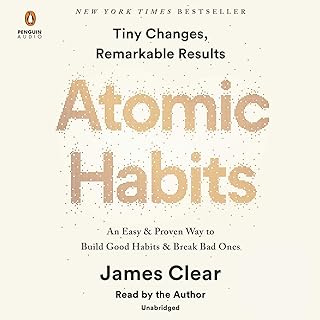
James Clear | $0.00 (Audible) | 4.8 (148,600+ reviews) | Building small habits that stick | Buy |
 |
Daniel Walter | $16.83 | 4.6 (11,200+ reviews) | Practical mental toughness exercises | Buy |
 |
Jocko Willink | $12.93 | 4.7 (8,800+ reviews) | Stoic field manual for daily discipline | Buy |
 |
Brian Tracy | $8.66 | 4.7 (3,800+ reviews) | A classic on self-discipline | Buy |
 |
Brianna Wiest | $0.00 (Audible) | 4.7 (27,900+ reviews) | Transforming self-sabotage into self-mastery | Buy |
Each of these books offers a fresh perspective on self control definition and provides actionable strategies you can apply today.
From “I Want It” to “I Can Handle It”: Real Life Examples
Sarah’s Story: Sarah struggled with impulse spending. Every time she saw a sale, “I want it” took over. She’d buy clothes she never wore. Her credit card debt grew. Then she started using the 24-hour rule. Whenever she wanted something, she wrote it down and waited one day. The next day, most items lost their appeal. Within six months, she cut her impulse spending by 80%. Sarah learned that “I can handle it” didn’t mean never buying anything. It meant buying only what aligned with her true priorities.
Mark’s Story: Mark was a serial procrastinator. He wanted to write a book but kept scrolling his phone instead. The "I want it" voice craved distraction. He started blocking distracting apps from 9 AM to noon. At first, he felt withdrawal. After a week, his focus improved. After three months, he finished the first draft. He didn’t need superhuman willpower. He just needed to handle his environment.
These stories show that self control definition isn’t about perfection. It’s about making the better choice often enough to create a new trajectory.
Common Myths About Self Control
Myth 1: Self control is about deprivation.
Wrong. True self control is about choosing what you value most. You’re not denying yourself pleasure; you’re delaying short-term pleasure for long-term fulfillment. It’s not less joy, it’s deeper joy.
Myth 2: You’re either born with willpower or not.
False. Research shows self control can be trained. Just like lifting weights builds muscle, practicing small acts of discipline builds your self control capacity.
Myth 3: Self control is the same as self-discipline.
Close but not identical. Self control is the moment-to-moment resistance of impulses. Self-discipline is the broader habit of consistent action toward a goal. You need self control to build self-discipline, but discipline also involves routines, planning, and momentum.
Myth 4: Using self control depletes you for the rest of the day.
The ego depletion theory suggests this, but newer studies show that your beliefs about willpower matter. If you think it’s limited, you’ll run out faster. If you see it as a skill you can build, you’ll have more.
Myth 5: You must be perfect.
One slip doesn’t mean failure. Self control is about consistency, not perfection. Forgive yourself, learn, and get back on track.
Tools and Resources to Strengthen Your Self Control
Books (mentioned above):
- Atomic Habits — James Clear
- The Power of Discipline — Daniel Walter
- Discipline Equals Freedom — Jocko Willink
- No Excuses! — Brian Tracy
- The Mountain Is You — Brianna Wiest
Apps:
- Habit tracking apps (e.g., Habitica, Streaks)
- Focus apps (e.g., Forest, Freedom)
- Mindfulness apps (e.g., Headspace, Calm)
Practices:
- Daily journaling (review your wins and losses)
- Cold showers (builds neural toughness)
- Digital fasting (one hour without screens)
For a structured 30-day program, check out Self Discipline: 30 Days to Self Discipline or STOIC DISCIPLINE 30 DAYS TO UNBREAKABLE SELF-CONTROL AND FOCUS.
Self Control Definition in Practice: A Daily Checklist
Use this to shift your mindset from “I want it” to “I can handle it” every day:
- Pause before acting. Count to five before you respond to a craving.
- Ask yourself: “Does this help my future self?”
- Choose one small habit to strengthen today (drink water, stretch, save $1).
- Remove one temptation from your environment.
- Celebrate a win. Notice when you handle a situation well.
Frequently Asked Questions
What is the best self control definition?
Self control is the ability to override an immediate impulse in favor of a long-term goal. It’s not about repression, but about conscious choice.
Is self control the same as willpower?
Willpower is the fuel for self control, but self control also involves habits, environment design, and emotional regulation. It’s a broader skill.
Can self control be learned?
Yes. Research in neuroplasticity shows that you can strengthen your prefrontal cortex through practice. Every small act of discipline rewires your brain.
How do I stop wanting things I know are bad for me?
You don’t have to stop wanting them. You just need to handle the wanting. Acknowledge the desire, then choose differently. Over time, the intensity of the desire fades.
What’s the first step to improving self control?
Start with one small area. Pick a single habit you want to change, and apply one strategy consistently for 21 days. The book The Power of Self-Discipline: 5-Minute Exercises is perfect for that.
How does self control relate to self-discipline?
Self control is the moment of resisting temptation; self-discipline is the ongoing practice of aligning your actions with your values. Self control helps you start; self-discipline keeps you going.
Your Next Step
The difference between “I want it” and “I can handle it” is the difference between living on autopilot and living with intention. Self control definition isn’t a dry concept. It’s the skill that lets you shape your future, one decision at a time.
Start small. Tomorrow morning, when the first “I want it” impulse hits, pause. Breathe. And ask yourself: “Can I handle this in a way that serves me?” You already know the answer.
If you want a deep dive, grab Discipline Is Destiny by Ryan Holiday or The Science of Self-Discipline. These books will keep you company on the journey.
You’ve got this. The life you want is on the other side of “I can handle it.”