
When your child’s feelings explode like a volcano, you need a simple tool that works in seconds. The concept of self control 5 lines is exactly that: a short, repeatable script that helps kids pause, breathe, and choose a better response. This isn't about punishing big emotions or telling kids to "calm down." It's about giving them a practical framework they can use anywhere, anytime.
Emotions are powerful. They can hijack the brain before rational thinking kicks in. But with the right five‑line script, even a young child can learn to slow the car down before it crashes. In this deep dive, we'll break down the exact self control 5 lines script, explain why it works, and show you how to teach it so it becomes an automatic habit.
Table of Contents
What Exactly Is "Self Control 5 Lines"?
Self control 5 lines is a kid‑friendly, step‑by‑step verbal script that walks a child from emotional overwhelm back to a state of calm. Each line represents one small, concrete action. The entire script takes less than ten seconds to say. It's designed to be memorized and repeated until it becomes second nature.
The core idea is simple: when big feelings show up, don't fight them. Instead, follow the five lines like a map. By the end of the script, the child has:
- Acknowledged the emotion
- Taken physical action (breathing, counting)
- Created a mental pause
- Chosen a positive response
This approach respects the child's autonomy while giving them a reliable anchor. It's the bridge between feeling out of control and regaining self‑discipline.
The Exact Self Control 5 Lines Script
Here is the script we recommend. It's short, rhythmic, and easy for kids to remember.
Line 1: "I can feel my feelings."
Line 2: "I take a deep breath."
Line 3: "I count to three."
Line 4: "I choose a calm action."
Line 5: "I am in control."
That's it. Five lines, five steps. Let's look at each one in more detail.
Line 1: "I can feel my feelings."
This validates the emotion. Instead of shaming the child for being angry or sad, it says "It's okay to feel this way." Emotional acceptance is the first step toward self‑control.
Line 2: "I take a deep breath."
A deep breath activates the parasympathetic nervous system. It lowers heart rate and signals the brain that danger has passed. Physiologically, this is the quickest way to calm down.
Line 3: "I count to three."
Counting gives the child a few extra seconds of mental space. It's a mini‑distraction that interrupts the emotional spiral.
Line 4: "I choose a calm action."
Now the child actively picks something constructive: walking away, asking for help, drawing a picture, hugging a stuffed animal. This line shifts them from passive reaction to active choice.
Line 5: "I am in control."
This affirmational statement reinforces the new identity. The child declares, “I am not my anger. I am someone who can handle this.”
Why This Script Builds Real Self‑Discipline
Self‑discipline isn't about white‑knuckling through temptations. It's about having a reliable process for making better choices under pressure. Self control 5 lines provides exactly that process. It replaces emotional chaos with a simple routine.
Think of it like a fire drill. You don't wait until you're inside a burning building to figure out the escape route. You practice the steps beforehand. The same is true for emotional fires. When a child practices the five lines regularly, the script becomes automatic. They don't have to think about it in the moment. Their brain just runs the pattern.
This builds what psychologists call "executive function" – the ability to pause, reflect, and choose a response instead of reacting impulsively. Executive function is the bedrock of self‑discipline.
How to Teach the Script to Children
Teaching self control 5 lines works best when you model it yourself first. Kids learn more from what they see than from what they hear.
Step 1: Introduce the script when everyone is calm.
Sit down with your child and say, "I have a superpower tool that helps me when I feel upset. It's five lines. Want to learn it?" Practice it together like a chant.
Step 2: Use a visual aid.
Write the five lines on a poster or index card. Place it somewhere visible – on the fridge, in their room, or on a wall near the calm‑down corner.
Step 3: Role‑play common triggers.
Pretend to be angry because a toy was broken. Say the lines out loud. Then let your child pretend. The more you rehearse, the more natural it will feel.
Step 4: Celebrate small wins.
When you see your child use the script (or even just start to take a deep breath), praise them specifically. "I noticed you started your five lines. That took courage!"
Step 5: Keep it positive.
Never force the script during a meltdown. If the child is too far gone, wait until they're calmer and then remind them. “Next time you feel that way, remember your five lines.”
The Deeper Connection Between Self‑Control 5 Lines and Self‑Discipline
Self‑discipline is often framed as something for adults: wake up early, stick to a budget, resist junk food. But the seeds of self‑discipline are planted in childhood. Every time a child successfully uses self control 5 lines, they strengthen their ability to regulate impulses. Over time, those tiny victories compound.
Research on habit formation shows that small, consistent actions reshape the brain's neural pathways. The five‑line script is a micro‑habit. Say it a hundred times, and it becomes wired into your child's response system.
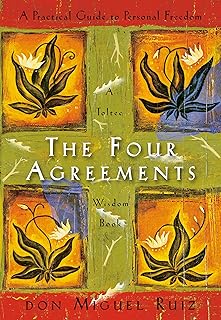
That's why we recommend pairing the script with deeper self‑discipline resources. Many parents find it helpful to read books on the topic alongside their children. For example, The Four Agreements offers timeless wisdom about personal freedom and choosing your words carefully. It's a great companion for older kids and teenagers.
Another excellent resource is Stoic Self‑Discipline. It presents ancient secrets for building unbreakable self‑control – perfect for parents who want to understand the philosophy behind emotional mastery.

Practical Scenarios: Using the Script in Real Life
Let’s see how self control 5 lines plays out in three common situations.
Scenario 1: A sibling takes a toy.
Child feels anger rising. Instead of hitting, she whispers the lines: “I can feel my feelings. I take a deep breath. I count to three. I choose a calm action. I am in control.” Then she walks to her parent and says, “I need help.”
Scenario 2: Losing a game.
Tears start. The child says the lines softly. After counting to three, he decides to take a break and get a glass of water. The emotions pass without a scene.
Scenario 3: Bedtime refusal.
The child is tired and cranky. A parent reminds them of the script. The child takes a breath, counts, and then agrees to one more story before sleep. The routine prevents a full meltdown.
Additional Tools for Parents: Books That Reinforce Self‑Discipline
The self control 5 lines script is a fantastic starting point, but lasting self‑discipline also requires a supportive environment. The books listed below offer deeper strategies for both kids and adults.
| Book | Price | Rating | Image | Buy at Amazon |
|---|---|---|---|---|
| The Four Agreements | $7.05 | 4.7 | |
Buy Now |
| Stoic Self‑Discipline | $19.99 | 4.7 | |
Buy Now |
| The Power of Self‑Discipline | $0.00 (Audible) | 4.4 |  |
Buy Now |
| Digital Self‑Discipline | $12.99 | 4.8 |  |
Buy Now |
| Discipline Equals Freedom | $12.93 | 4.7 |  |
Buy Now |
These titles support the cultivation of self‑discipline in different areas of life. For example, Digital Self‑Discipline (rated 4.8) tackles screen addiction, which is a common challenge for kids today. Discipline Equals Freedom by Jocko Willink is a no‑nonsense manual for building mental toughness.
Common Mistakes to Avoid When Teaching Emotional Regulation
Even with a perfect script, some parents struggle. Here are the pitfalls to watch out for.
Mistake 1: Using the script as a punishment.
Never say, "You're in trouble. Do your five lines." The script is a tool, not a consequence. Keep it positive.
Mistake 2: Expecting instant results.
Kids need repetition. The first few times they may forget or refuse. Stay patient.
Mistake 3: Ignoring your own emotions.
If you're yelling, the script loses credibility. Model the lines yourself when you feel frustrated.
Mistake 4: Only using it during meltdowns.
Practice the lines during calm moments. Make it a daily habit, like brushing teeth.
The Science of Emotional Regulation and Self‑Control
When a child is flooded with emotion, the amygdala (the brain's alarm system) takes over. The prefrontal cortex, which handles rational decision‑making, goes offline. Self control 5 lines helps reactivate the prefrontal cortex through deliberate action – breathing, counting, and naming feelings.
Neuroscientist Dr. Dan Siegel calls this "name it to tame it." When you label an emotion, you engage the language centers, which calms the amygdala. The first line of the script does exactly that.
The counting step (line 3) creates a mental pause that research shows is critical for impulse control. In one famous study, kids who could wait for a second marshmallow scored higher on life outcomes. The secret wasn't willpower; it was distraction strategies. Counting is one of the best distractions.
Frequently Asked Questions About Self Control 5 Lines
At what age can a child start using the five lines?
As early as three years old. Even toddlers can learn the actions (breathing, counting) even if they can't say the words yet. Simplify it: "Breathe, count, choose."
What if my child refuses to say the lines?
Don't force it. Model them yourself. Say them out loud when you're frustrated. Kids imitate what they see.
Can the script be modified?
Absolutely. Some kids prefer "I stop, I breathe, I count, I choose, I win." The key is five short, memorable steps. Adjust the wording to fit your child's age and personality.
Is this script only for kids?
No. Adults can use it too. When you feel anger or anxiety rising, running through the same five lines can reset your nervous system in seconds.
Conclusion: Small Script, Big Impact
Self control 5 lines is more than a phrase. It's a lifeline for kids struggling with powerful emotions. It teaches them that feelings are okay, that they have choices, and that they are ultimately in charge of their actions. Those lessons are the building blocks of lifelong self‑discipline.
Start today. Write the lines on a sticky note. Practice them at breakfast. The next time emotions run the show, your child will have the script ready. And so will you.
Remember, self‑discipline isn't about being perfect. It's about having a plan to get back on track when things go sideways. The five lines give you that plan.