
Willpower runs out. You know the feeling: at 8 AM you’re a productivity beast, but by 3 PM you’re reaching for cookies and doom‑scrolling. That’s because willpower is a limited resource. But here’s the game‑changer – you can practice self discipline so effectively that the right actions become automatic. No more exhausting internal debates. No more relying on fleeting motivation.
When you consistently train your brain with specific daily drills, you rewire your neural pathways. Your resistance to temptation becomes second nature. Your good habits run on autopilot. And the best part? You don’t have to be born disciplined. Self‑discipline is a skill you can build, one deliberate drill at a time.
In this deep‑dive, we’ll cover the science behind automatic behavior, the exact daily drills that top performers use, and how to design a routine that sticks. We’ll also share the best resources to accelerate your journey, including No Excuses!: The Power of Self-Discipline and Atomic Habits.
Table of Contents
Why You Must Practice Self Discipline Every Day
Let’s clear up a myth: self‑discipline isn’t about pushing yourself to the brink every morning. It’s about making the right choice the easy choice. The reason most people fail isn’t laziness – it’s that they never train their automatic brain.
Your brain has two systems: the conscious, deliberate system (slow, effortful) and the automatic system (fast, effortless). Every time you practice self discipline, you strengthen the bridge between these systems. Over time, behaviors that once required raw willpower (like waking up early or saying no to junk food) become reflexive.
The goal is to turn willpower into automatic behavior. When you automate discipline, you free up mental energy for the things that truly matter.
The Science: How Daily Drills Rewire Your Brain for Automatic Self‑Discipline
Neuroplasticity is your best friend here. Every rep of a disciplined act strengthens the associated neural circuit. Think of it like building a path in a forest: the first trip is hard, but after a hundred trips, you have a highway.
Research on habit formation shows that consistency – not intensity – is what creates automaticity. A 2010 study in the European Journal of Social Psychology found that it takes an average of 66 days for a new behavior to become automatic. But you can speed that up with deliberate practice.
Brian Tracy’s classic book No Excuses!: The Power of Self-Discipline explains that self‑discipline is like a muscle: it grows with use. The key is to start small, because small wins build identity. When you see yourself as someone who practices self‑discipline, you naturally make better choices.
The Power of Discipline by Daniel Walter (available as The Power of Discipline) adds that mental toughness is built through repeated exposure to discomfort. By choosing discomfort deliberately, you desensitize yourself and expand your comfort zone.
The 3 Pillars of Daily Drills That Turn Willpower into Automatic Behavior
To build unshakeable self‑discipline, you need drills in three areas: Morning, Midday, and Evening. Each pillar targets a different aspect of willpower depletion and recovery.
Morning Drills: Set the Tone for Automatic Wins
Your morning is the most malleable part of the day. Your willpower tank is full, and distractions haven’t piled up. Use these drills to program your brain for success.
1. Make Your Bed
Admiral William H. McRaven famously said, “If you want to change the world, start off by making your bed.” This single act is a small victory that triggers a cascade of discipline. The book Make Your Bed: Little Things That Can Change Your Life…And Maybe the World explains how this tiny routine builds momentum. When you make your bed, you’ve already practiced self‑discipline before your feet hit the floor.
2. The 5‑Minute Mindfulness Anchor
Sit still for five minutes, focusing on your breath or a single word like “discipline.” This drill strengthens your prefrontal cortex – the brain region responsible for self‑control. It also reduces the “startle response” that leads to impulsive reactions.
3. Cold Exposure (Optional but Powerful)
A 30‑second cold shower at the end of your warm shower teaches your brain to embrace discomfort. This is a direct self‑discipline workout. Over time, that willingness to face the cold transfers to every other challenge you encounter.
Midday Drills: Recharge and Resist Temptation
Midday is when willpower naturally dips. These drills keep your discipline engine running without draining you.
1. The 2‑Minute Rule for Hard Tasks
When you feel resistance to a task, tell yourself you’ll do it for just two minutes. This bypasses the brain’s fear response. Often, you’ll continue beyond two minutes. This is a drill that turns procrastination into action.
2. Temptation Bundling
Pair a task you avoid (like filing reports) with something you enjoy (listening to an audiobook on self‑discipline). This hack leverages your brain’s reward system. For a great companion, try The Science of Self-Discipline by Peter Hollins – it’s packed with research‑backed tactics.
3. The 5‑Minute Pause to Reframe
Set a timer for five minutes. Write down the one thing that will make the biggest impact on your day. Then do it immediately. This drill builds decision‑making discipline and prevents you from wasting time on low‑value tasks.
Evening Drills: Cement Gains and Prepare for Tomorrow
Your evening routine is where you review, recover, and set up automatic success for the next day.
1. The 10‑Minute Reflection
Ask yourself three questions:
- What disciplined act did I do today?
- Where did I slip, and why?
- What will I do differently tomorrow?
This reflection strengthens your self‑awareness, which is the foundation of self‑control. It also helps you spot patterns that undermine your discipline.
2. Prepare Your Environment
Lay out your workout clothes, pack your lunch, and set your phone’s Do Not Disturb schedule. By removing decision‑making friction, you make it easier to practice self‑discipline automatically in the morning.
3. Digital Sunset
Turn off all screens 30 minutes before bed. The blue light suppresses melatonin and weakens your willpower the next day. Reading a physical copy of a discipline book – like Discipline Is Destiny by Ryan Holiday – can be both relaxing and reinforcing.
How to Design Your Own Daily Self‑Discipline Routine
You don’t need to adopt every drill. Start with one from each pillar and gradually add more as they become automatic.
Step 1: Choose Your Keystone Habit
Identify one drill that, when done, makes everything else easier. For most people, it’s making the bed or the 5‑minute morning silence.
Step 2: Schedule It Like a Meeting
Block 10 minutes on your calendar for your chosen drill. Use a physical timer if needed. Consistency matters more than duration.
Step 3: Track Your Streak
Use a simple app or a paper calendar. Mark each day you complete your drill. Visual streaks create a sense of progress and motivate you not to break the chain.
Step 4: Increase the Difficulty Slowly
After two weeks, add a second drill. After a month, try a harder version of an existing drill (e.g., longer cold shower, deeper work session). This progressive overload builds mental toughness.
Step 5: Use a Training Guide
Books provide structure. The Power of Self-Discipline: 5-Minute Exercises to Build Self-Control, Good Habits, and Keep Going When You Want to Give Up is perfect for this. It offers daily five‑minute exercises that gradually condition your willpower.
Common Obstacles and How to Overcome Them
Even with the best drills, you’ll hit roadblocks. Here’s how to push through.
“I Have No Motivation”
Motivation is unreliable. Rely on systems instead. Jocko Willink’s Discipline Equals Freedom: Field Manual Mk1-MOD1 drives home the point: discipline is the path to freedom. When you lack motivation, do the drill anyway. Your future self will thank you.
“I Keep Giving in to Distractions”
Digital distractions are the #1 threat to self‑discipline. Digital Self-Discipline (rated 4.8 stars) provides concrete strategies to break free from dopamine loops. Start by deleting the most distracting app for 24 hours. That small win builds momentum.
“I Feel Like a Failure After a Slip”
Slips are part of the process. The author of The Mountain Is You (4.7 stars) explains that self‑sabotage is often a protective mechanism. Instead of self‑blame, ask, “What can I learn from this?” Then get back on track immediately.
Advanced Techniques: From Willpower to Automatic Identity
Once you’ve built a solid foundation, you can accelerate your progress with these advanced drills.
Stoic Self‑Discipline
Stoicism offers ancient secrets to unbreakable self‑control. The book Stoic Self-Discipline: Stoicism’s 33 Ancient Secrets (4.7 stars) teaches practices like negative visualization and voluntary discomfort. Try a “discomfort day” once a week: take a cold shower, skip a meal, or use public transport instead of driving. This inoculates you against future challenges.
The Psychology of Self‑Discipline
For a science‑based approach, The Psychology of Self-Discipline (24 strategies) helps you rewire your brain for consistent action. One technique is “implementation intentions”: frame your drill as “When X happens, I will do Y.” This triggers automatic responses.
Mindful Self‑Discipline
Mindful Self-Discipline (4.7 stars) combines meditation with goal‑setting. The key is to practice self‑discipline with a sense of purpose, not punishment. When you connect each drill to a deeper mission, the effort feels lighter.
Top Resources to Accelerate Your Practice Self‑Discipline Journey
To turn these drills into daily habits, having a structured guide is invaluable. Below are three highly recommended books that will walk you through the process.


Comparison Table
| Product | Price | Rating | Key Feature | Buy at Amazon |
|---|---|---|---|---|
|
$8.66 | 4.7 | Practical strategies for all areas of life | Buy Now |
|
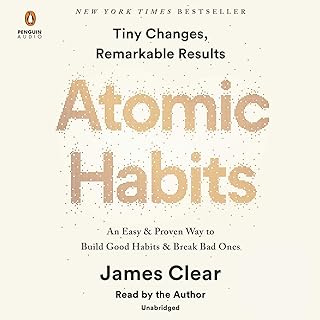
$0.00 (Audible) | 4.8 | System for building good habits and breaking bad ones | Buy Now |
|
$12.93 | 4.7 | Hard‑core daily field manual from Jocko Willink | Buy Now |
Each of these resources provides a unique lens on how to practice self‑discipline. If you want timeless principles and a comprehensive plan, start with Brian Tracy’s No Excuses! If you need a modern habit‑building system, Atomic Habits is the gold standard. For a gritty, no‑nonsense daily companion, pick up Discipline Equals Freedom.
Frequently Asked Questions About Practicing Self‑Discipline
Q: How long does it take for self‑discipline to become automatic?
A: It varies, but with consistent daily drills, you’ll notice significant automaticity after 30–60 days. The key is to never miss twice. One slip doesn’t break the habit; two slips in a row reset the clock.
Q: Can I practice self‑discipline without feeling deprived?
A: Absolutely. The goal is not to live like a monk, but to align your actions with your long‑term values. When you frame drills as choices that serve your future self, they feel empowering, not restrictive.
Q: What if I don’t have time for daily drills?
A: Start with one drill that takes less than two minutes. Most people can find 120 seconds. The 2‑minute mindfulness anchor or making your bed is enough to begin. As you see results, you’ll naturally make time for more.
Q: How do I avoid burnout?
A: Schedule rest days. True discipline includes recovery. Take one day per week where you deliberately relax. This prevents willpower depletion and keeps your practices sustainable.
Q: Which book is best for beginners?
A: Atomic Habits is widely considered the most accessible for building habits. For a more direct approach to discipline, No Excuses! is excellent.
Your Next Step: Start Practicing Today
You now have a complete blueprint. The difference between those who succeed and those who struggle is not talent – it’s the decision to practice self discipline deliberately, day after day. Start with one morning drill tomorrow. Make your bed. Sit in silence for five minutes. Take a cold shower. That single act sends a signal to your brain: I am someone who chooses discipline.
Over days, those signals stack. Over weeks, they form a new identity. Over months, willpower transforms into automatic behavior – and you become the person who effortlessly does what needs to be done.
The tools are here. The books are ready. The only missing piece is your first rep. Go make it happen.