
You’ve felt it. That rush of inspiration on a Monday morning. You set huge goals, buy the planner, and promise yourself this time will be different. Then Tuesday hits. Life gets loud. Your motivation fizzles out like a candle in a storm. Sound familiar?
Here’s the truth: motivation is fickle. It shows up uninvited and leaves just as fast. But the power of self discipline doesn’t need an invitation. It’s the quiet engine that keeps you moving forward, one small daily choice at a time. Forget the big dramatic moments. The real magic lives in the micro decisions you make every single day.
 . No Excuses!: The Power of Self-Discipline by Brian Tracy is a classic that drills this concept deep.
In this article, we’ll break down why small daily habits crush motivation every time, how to build steel-like self-discipline using real science, and exactly which resources can help you master this skill for life.
Table of Contents
Why Motivation Is a Trap (And Self Discipline Is the Way Out)
Motivation feels great. It’s exciting, energizing, and gives you a temporary high. But here’s the catch: motivation is driven by emotion. Emotions are fleeting. When the excitement wears off, your goals look like distant mountains.
Self-discipline, on the other hand, doesn’t care how you feel. It’s a muscle you train through repetition. The power of self discipline lies in its ability to bridge the gap between intention and action, even when you don’t feel like moving.
Think about brushing your teeth. You don’t need a motivational speech to do it. You just do it because it’s a habit. Self-discipline turns your most important actions into automatic behaviors. That’s the win.
The Daily Choice Advantage: Small Actions That Compound
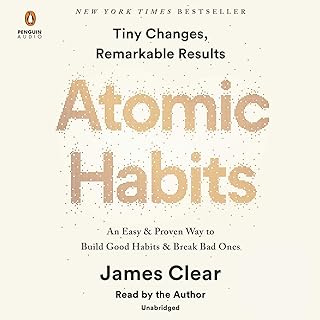
James Clear, author of Atomic Habits, showed the world that tiny changes lead to remarkable results. A 1% improvement every day makes you 37 times better over a year. That’s not hype. That’s math.
But how do you get that 1%? Through deliberate daily choices. Here are some examples:
- Waking up 15 minutes earlier to read or plan
- Drinking a glass of water before coffee
- Writing one paragraph instead of waiting for inspiration
- Saying no to one distraction (even the phone buzz)
- Making your bed every morning
Admiral William H. McRaven built an entire book around that last one:  . Make Your Bed teaches that completing a small task first thing sets the tone for a disciplined day.
These micro choices don’t require massive willpower. They just require consistency. And consistency is the heart of the power of self discipline.
The Science of Self-Discipline: What Happens in Your Brain
Your brain has an ancient reward system that craves instant gratification. Dopamine spikes when you check Instagram, eat sugar, or procrastinate. Self-discipline is the ability to override that impulse and choose a delayed reward instead.
The good news: self-control is like a muscle. You can strengthen it with practice. Researchers found that people who consistently perform small acts of self-discipline improve their overall willpower over time.
For a deep dive into the science, pick up  . This audiobook breaks down the neurological and psychological mechanisms behind self-discipline.
One key insight: willpower is finite. Use it for too many decisions in a day, and you’ll run out. That’s why automating your choices through routines and habits is critical. When you don’t have to decide, you conserve energy for what matters.
How to Build Self-Discipline with Small Daily Habits
Don’t try to overhaul your life overnight. That’s a recipe for burnout. Instead, stack small wins. Here’s a step-by-step system:
1. Start with One Non-Negotiable
Pick one tiny action you will do every single day, no matter what. It could be meditating for two minutes, writing 100 words, or doing ten pushups. The goal is not the result. The goal is to prove to yourself that you can show up.
2. Use the “2-Minute Rule”
James Clear suggests any new habit should take less than two minutes to start. Want to read more? Read one page. Want to run? Put on your shoes. Once you start, momentum often carries you further.
3. Create an Environment for Success
Your surroundings shape your choices. Put the phone in another room. Keep healthy snacks visible. If you want to write, leave your notebook open on the desk. Design your space so the right choice is the easy choice.
4. Track Your Progress
Use a calendar or app to mark each day you complete your habit. The visual streak becomes addicting. You won’t want to break the chain.
 by Daniel Walter is a modern guide that teaches these exact strategies. It’s packed with actionable tactics to build self-discipline step by step.
The Stoic Approach: Discipline Is Destiny
Stoicism offers a timeless perspective on self-control. The ancient philosophers believed that true freedom comes from mastering your impulses, not indulging them. Epictetus said, “No man is free who is not master of himself.”
 by Ryan Holiday is a modern take on this ancient wisdom. It explores how self-discipline shapes your character, relationships, and destiny.
A central idea: discipline isn’t about restriction. It’s about aligning your actions with your highest values. Each small choice that honors your goals builds a life of meaning and strength.
Overcoming the Biggest Obstacles to Self-Discipline
Even with the best systems, you’ll hit roadblocks. Here’s how to handle them:
- Lack of clarity: Define what success looks like. Instead of “be more disciplined”, say “exercise for 15 minutes after work.”
- Fatigue and low energy: Prioritize sleep and nutrition. A tired brain has weak willpower.
- Emotional resistance: Feel the urge to quit, then do the thing anyway. Action breaks the cycle.
- Overwhelming goals: Break them down. Write one email, not the whole report.
The book  by Brianna Wiest addresses self-sabotage head-on. It helps you understand why you resist discipline and how to transform that resistance into growth.
Real World Examples: Small Choices That Changed Lives
Consider Jocko Willink, a retired Navy SEAL and author of  . He wakes up at 4:30 AM every day, not because he loves it, but because that morning choice sets a tone of self-discipline for everything else. His daily consistency has built an empire of influence and fitness.
Or think of an entrepreneur who writes 500 words daily. Some days it’s brilliant; other days it’s garbage. But after a year, they have a book. The person who waits for a “motivated” day has nothing.
The power of self discipline shows up in the ordinary moments. Choosing the salad over the fries. Reading instead of scrolling. Saving instead of spending. Each small choice is a vote for the person you want to become.
Comparison Table: Top Self-Discipline Books to Read Now
| Product | Price | Rating | Key Focus | Buy at Amazon |
|---|---|---|---|---|
|
$8.66 | 4.7 | Taking full responsibility, eliminating excuses | Buy Now |
 |
$0.00 (Audible) | 4.8 | Building small habits, systems for change | Buy Now |
|
$5.88 | 4.7 | Stoic self-discipline, living virtuously | Buy Now |
|
$16.83 | 4.6 | Self-control techniques, mental toughness | Buy Now |
|
$0.00 (Audible) | 4.7 | Overcoming self-sabotage, mastering yourself | Buy Now |
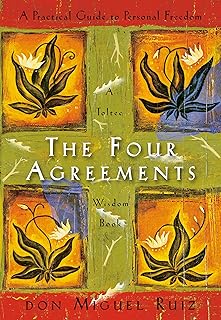 |
$7.05 | 4.7 | Personal freedom, practical wisdom | Buy Now |
 |
$12.99 | 4.8 | Breaking digital addiction, focus | Buy Now |
The 30 Day Challenge: Build Unbreakable Self-Discipline
If you want a fast track to building this skill, commit to a 30 day challenge. Choose one area and do it daily for 30 days. No excuses. The book  guides you through exactly that process.
During those 30 days, you’ll hit resistance around day 10. That’s when the novelty wears off. Push through. By day 21, the behavior starts to feel natural. After 30 days, you’ve rewired a habit.
Another powerful resource is  . This daily reader provides one thought per day to keep you focused and disciplined all year long.
Mindful Self-Discipline: Living with Purpose
Some people think discipline means being harsh on yourself. That’s not it. True self-discipline is rooted in self respect. It’s choosing what’s good for you, even when it’s uncomfortable.
 teaches a compassionate approach. You learn to observe your impulses without acting on them, and then intentionally choose the disciplined path.
The Power of Self Discipline in Your Finances, Health, and Relationships
Self-discipline isn’t just for productivity. It touches every area of life:
- Finances: Saying no to impulse buys, automating savings, investing consistently.
- Health: Choosing to exercise even when tired, eating nourishing foods, sleeping enough.
- Relationships: Listening instead of reacting, apologizing first, sticking to boundaries.
- Career: Doing deep work without distractions, learning new skills, delivering on promises.
When you master the power of self discipline, you become someone others can rely on. More importantly, you become someone you can rely on.
How to Stay Consistent Without Motivation
Motivation may never show up. That’s okay. Here’s a simple three step formula:
- Decide: Set a specific daily action.
- Schedule: Block time for it. Same time, same place.
- Execute: Do it regardless of feelings. No negotiation.
This is the message in . The title says it all. Stop making excuses. Start making choices.
FAQ: Your Questions About Self-Discipline Answered
Q: Is self-discipline the same as willpower?
A: Not exactly. Willpower is the mental energy to resist short-term temptations. Self-discipline is the broader skill of consistently aligning your actions with your values, using routines and habits to support it.
Q: Can self-discipline be learned?
A: Absolutely. It’s a skill, not an inborn trait. With practice, small daily choices, and the right strategies (like those in Atomic Habits), anyone can strengthen their self-discipline.
Q: How long does it take to build a self-discipline habit?
A: Research suggests average 66 days, but it varies. The key is consistency, not perfection. Even missing one day doesn’t ruin progress; getting back on track does.
Q: What if I keep failing?
A: Failure is feedback. Examine what tripped you up. Were you too ambitious? Did you have a bad environment? Adjust, then try again. The only real failure is quitting.
Q: Which book should I start with?
A: If you want a direct, no-nonsense approach, start with No Excuses! by Brian Tracy. For a scientific, habit-based system, Atomic Habits is fantastic. For deeper meaning, Discipline Is Destiny by Ryan Holiday.
Q: Can self-discipline help with procrastination?
A: Yes, because procrastination is often a failure of self-discipline. Breaking tasks into tiny, low-friction actions and using the 2-minute rule are proven antidotes.
Q: How do I stay disciplined when I’m stressed or tired?
A: Reduce the decision load. Rely on routines that are already automated. Give yourself permission to do the minimum version of the habit. One push-up is better than none.
Q: What’s the biggest mistake people make?
A: Relying on motivation. Once you realize motivation is optional, you free yourself to act anyway. That’s the turning point.
Final Thought: Your Daily Choices Create Your Future
Big dreams are important. But they remain dreams until you back them with consistent action. The power of self discipline is the bridge that takes you from where you are to where you want to be.
Remember, you don’t need a perfect day. You need a string of ordinary days where you showed up and did the work. One choice at a time. One morning at a time.
Start today. Make your bed. Drink your water. Write your sentence. Then do it again tomorrow. That’s the discipline that changes everything.
— Discipline Is Destiny will remind you that every small choice is a brick in the monument you are building.
Now, go make the choice that matters.