
You know that feeling. Monday morning, alarm goes off, and you really don’t want to get up. The spark isn’t there. No surge of inspiration. No burning desire to crush the day.
On days like this, motivation feels like a ghost. You can’t find it anywhere. But self-discipline? Self-discipline shows up anyway.
That’s the core difference. Motivation is a feeling. Self-discipline is a system. And when you understand why self-discipline wins every single time especially on low energy days you stop waiting for the spark and start building the engine.
Table of Contents
What Is Motivation, Really?
Motivation is an emotional state. It’s the excitement you feel after watching a TED Talk or reading a quote. It feels amazing but it’s also temporary.
Think of motivation like a sugar rush. It spikes, gives you a burst of energy, then crashes. You can’t rely on it for long term progress because it depends on external triggers a new goal, a deadline, a compliment.
Motivation is great for starting. It helps you take the first step. But it’s terrible for finishing. Research in behavioral psychology shows that motivation is tied to dopamine spikes, which naturally fade within hours or days.
So if you’re waiting to feel motivated before you act, you’ll spend most of your life waiting.
What Is Self Discipline, Really?
Self-discipline is the ability to do what you know you should do, even when you don’t feel like doing it. It’s not about punishing yourself. It’s about creating a reliable inner compass that points toward your long term goals, not your short term moods.
Self discipline is built, not born. It’s a muscle you strengthen with repetition. Every time you choose the hard right over the easy wrong, you add a brick to your foundation of mental toughness.
As the legendary author Brian Tracy writes in No Excuses!: The Power of Self-Discipline , self discipline is the master key to personal success. Tracy argues that without it, no amount of talent or intelligence can carry you to your goals.

Self discipline doesn’t depend on your mood. It’s a commitment you made to yourself yesterday, last week, or even years ago. That commitment overrides the temporary excuses your brain throws at you.
The Myth of Motivation Dependency
A dangerous belief stops most people: “I just need to get motivated first.”
That myth keeps you stuck. You scroll through Instagram for inspiration. You buy a new planner. You tell yourself tomorrow will be different. But tomorrow arrives and you’re still waiting for the same magical motivation.
Here’s the truth: action comes before motivation, not after. The moment you start moving, even in a small way, the motivation often follows. But waiting for it is a trap.
James Clear, author of the modern classic Atomic Habits , explains this perfectly. He says you don’t need to be motivated to start a habit. You just need to make the first action so easy you can’t say no.
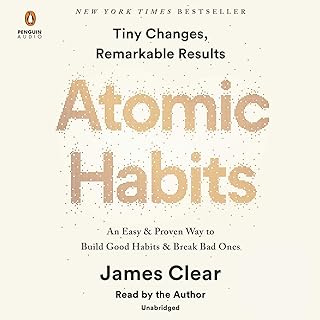
The book is a #1 New York Times bestseller with over 148,000 ratings and a 4.8 average. Its core message: small daily actions, powered by discipline, create massive results.
Why Self Discipline Wins on Low Energy Days
Now let’s get real about the bad days. The days when you’re tired, stressed, or just feel like a zombie. Motivation is nowhere in sight. But self discipline still has your back.
Here’s why:
- Self discipline runs on habit, not willpower. Once a behavior is automatic, it costs almost no mental energy. You brush your teeth without motivation. You can train your brain to do the same for exercise or writing.
- Self discipline builds identity. When you consistently show up, you start seeing yourself as a disciplined person. That identity protects you on weak days. You act because that’s who you are.
- Self discipline creates momentum. A small disciplined action one push up, one page, one healthy meal generates energy. That energy can fuel the next action. But you have to start first.
The author and retired Navy SEAL Jocko Willink says it bluntly in his book Discipline Equals Freedom: Field Manual Mk1-MOD1 : “Discipline is the difference between what you want now and what you want most.”

With 8,800+ ratings and a 4.7 average, this book is a raw, no excuse manual for anyone serious about self discipline.
How to Build Self Discipline (Even If You Feel Broken)
You don’t need to be born with iron will. You can train yourself, one small choice at a time. These five strategies come from the best minds in self control and habit formation.
1. Start Ridiculously Small
Most people fail because they aim too high. “I’m going to meditate for 30 minutes every day.” Great idea until day three.
Instead, use the two minute rule from James Clear. Do the first two minutes of any habit. Want to run? Just put on your shoes. Want to write? Open your notebook and type one sentence.
Small wins build confidence and neural pathways for discipline.
2. Create a Non Negotiable Minimum
Define the one thing you must do every day, no matter what. This is your minimum effective dose. Even on your worst day, you can do it.
For example, if your goal is to read more, commit to reading one page per day. One page takes 60 seconds. You can do that with a migraine, a broken heart, or after a terrible day at work.
Consistency beats intensity. The book The Power of Discipline: How to Use Self Control and Mental Toughness to Achieve Your Goals by Daniel Walter teaches exactly this principle.

With 11,200 reviews and a 4.6 rating, it’s a practical guide for turning self control into an automatic reflex.
3. Stack Your Habits
Use an existing habit to anchor a new one. For example: “After I brush my teeth, I will do one push up.” This is called habit stacking.
The cue (brushing teeth) triggers the behavior (push up). Over time, the sequence becomes automatic. Your brain no longer has to debate whether to do it.
4. Pre commit and Remove Friction
Make it easier to do the right thing than the wrong thing. Lay out your workout clothes the night before. Block distracting websites. Put your phone in another room.
Pre commitment removes the need for willpower in the moment. As Ryan Holiday writes in Discipline Is Destiny: The Power of Self Control , the Stoics believed that discipline is the foundation of freedom.

With 5,800 ratings and 4.7 stars, this book explores how self control shapes a life of purpose.
5. Forgive Yourself and Keep Going
Nobody is disciplined 100% of the time. You will slip. You will miss a day. The key is to never miss twice.
When you break your streak, don’t spiral into self criticism. Acknowledge it, learn, and start again tomorrow. Self compassion actually strengthens self discipline because it keeps you engaged instead of quitting.
Brianna Wiest, author of The Mountain Is You: Transforming Self Sabotage into Self Mastery , explains that self discipline isn’t about fighting yourself. It’s about aligning your actions with who you want to become.

With 27,900 ratings and a 4.7 average, this book has helped millions stop sabotaging their progress.
Top Books to Master Self Discipline (Comparison Table)
If you want to go deeper, these books are excellent resources. Each one offers unique tools, but they all agree on one thing: discipline outlasts motivation every time.
| Product | Price | Rating | Key Focus | Buy at Amazon |
|---|---|---|---|---|
|
$8.66 | 4.7 | Self discipline as master key to success | Buy Now |
|
$0.00 (free with Audible) | 4.8 | Small habits, huge results | Buy Now |
|
$16.83 | 4.6 | Mental toughness and self control | Buy Now |
 |
$5.88 | 4.7 | Stoic philosophy for self control | Buy Now |
 |
$0.00 (free with Audible) | 4.7 | Self sabotage to self mastery | Buy Now |
 |
$12.99 | 4.8 | Overcoming digital addiction | Buy Now |
This table gives you a side by side view of the best books for building self discipline. Each one can help you shift from relying on motivation to owning your actions.
Practical Steps to Build Self Discipline Starting Today
You don’t need a 90 day plan. You need to start right now. Here are three steps you can take in the next five minutes.
Step 1: Identify one area where you currently wait for motivation. It might be exercise, studying, or cleaning. Write it down.
Step 2: Reduce the barrier to starting. If you want to exercise, put your shoes by the door. If you want to read, put a book on your pillow. Make the first action frictionless.
Step 3: Commit to 2 minutes. Do that activity for just two minutes. No more. That’s your one rep. If you want to continue after two minutes, great. If not, you still won.
Do this every day for one week. By day seven, you’ll have a small but growing self discipline habit. You’ll prove to yourself that you don’t need a perfect mood to act.
FAQ: Motivation vs Self Discipline
What is the main difference between motivation and self discipline?
Motivation is an emotional state that comes and goes. Self discipline is a trained ability to act regardless of how you feel. Motivation helps you start, but self discipline helps you finish.
Why does self discipline matter more than motivation?
Because motivation is unreliable. It depends on external triggers and internal mood. Self discipline is internal and can be strengthened over time. On days when motivation is absent, self discipline carries you forward.
How can I build self discipline if I have very little willpower?
Start with absurdly small commitments. Do one push up. Read one sentence. Write for 30 seconds. The key is consistency, not intensity. Every small win builds your discipline muscle. The book The Power of Self-Discipline: 5-Minute Exercises offers quick daily exercises designed exactly for this.
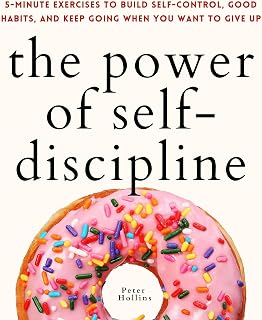
With 1,100 reviews and a 4.4 rating, it’s a practical companion for anyone who struggles with consistency.
What do Stoics say about motivation vs self discipline?
Stoicism teaches that we cannot control our emotions, but we can control our actions. Motivation is an external indifferent. Self discipline is a virtue. The book Stoic Self-Discipline: Stoicism’s 33 Ancient Secrets breaks down exactly how to apply Stoic principles to build unbreakable self control.

With a 4.7 rating and 156 reviews, it’s a deep dive into ancient wisdom for modern life.
Can self discipline ever be bad?
Too much rigid discipline without flexibility can lead to burnout or guilt. The goal is not to become a robot. It’s to build enough discipline to keep your promises to yourself, while still allowing rest and joy. Balance is key.
What should I read first to learn about self discipline?
Start with Atomic Habits by James Clear for the science of habit building. Then read No Excuses! by Brian Tracy for a motivational kick. Finally, Discipline Is Destiny by Ryan Holiday for the philosophical foundation.
Final Thought: Choose the Engine Over the Spark
Motivation feels good. It’s a spark that lights up your brain and makes you feel capable. But sparks die. They leave you cold and stuck in the dark.
Self discipline is an engine. It doesn’t need excitement. It runs on routine, identity, and the promise you made to yourself. It works on rainy Mondays, after bad news, and when you’re running on three hours of sleep.
You can’t control when motivation will visit. But you can control whether you show up anyway.
Stop chasing sparks. Start building the engine.
If you want a daily reminder and guide, get 365 Days With Self-Discipline: 365 Life Altering Thoughts . With 948 ratings and a 4.5 average, it’s a year long companion to strengthen your self discipline one day at a time.

Your future self is watching. What’s your next move?