
You've been there. The alarm goes off at 5 AM, and your brain starts negotiating. "Just ten more minutes." You resist, you force yourself up, and you feel like a warrior. That's self-control in action, right? Then you do it again the next day, and the day after, and eventually you stop needing the internal battle.
But here's the million-dollar question: is self control and self discipline the same thing? If you've been using the words interchangeably, you're not alone. Almost everyone does. And that confusion is costing you real results.
The short answer? No, they are not the same. Self-control is the emergency brake. Self-discipline is the engine. One is a sprint, the other is a marathon. And understanding the difference is the secret to finally building the life you want without burning out every few weeks.
Let's dive deep into what separates these two powerful forces, why mixing them up keeps you stuck, and exactly how to use both to your advantage.
Table of Contents
What Is Self-Control? The Momentary Muscle
Self-control is your ability to resist an immediate temptation or impulse. It's the force that stops you from eating the cookie when you're on a diet, checking Instagram during work, or snapping at someone who annoys you.
Think of self-control as a mental brake pedal. It works in the heat of the moment. You feel the urge, you pause, and you override it with conscious effort.
The Science Behind Self-Control
Psychologists call this "inhibitory control." It's a function of your prefrontal cortex, the part of your brain responsible for decision-making and impulse regulation. Self-control is finite. Research shows it depletes throughout the day like a battery. Every time you resist a temptation, you drain a little more of your willpower reserves.
That's why after a long day of saying no to junk food and distractions, you're more likely to binge-watch Netflix for four hours. Your self-control is exhausted.
Self-control is essential, but it's not designed for long-term use. You cannot rely on willpower alone to achieve big goals. If you try, you'll crash and burn.
What Is Self-Discipline? The System That Runs Your Life
Self-discipline is different. It's not about fighting urges in the moment. It's about creating routines, habits, and structures that make the right choice the easy choice.
When you have self-discipline, you don't need to "resist" a cookie every single day. You've built a system where cookies aren't in the house, or you've conditioned yourself to reach for an apple instead. The battle is already won before temptation arrives.
Self-discipline is proactive. It's the habit of showing up every day, even when motivation is gone. It's the consistent action that compounds over time.
The Difference in a Nutshell
| Self-Control | Self-Discipline |
|---|---|
| Reactive | Proactive |
| Depletes quickly | Builds over time |
| Resists temptation | Eliminates the need to resist |
| Momentary effort | Long-term habit |
| Example: Saying no to dessert at a party | Example: Having a meal plan so you're never tempted |
Here's a simple way to remember: self-control is the battle. Self-discipline is the lifestyle.
Why Confusing Self-Control and Self-Discipline Sabotages Your Results
If you think they're the same, you'll keep trying to muscle your way through life with willpower alone. You'll white-knuckle through diets, work projects, and fitness routines. And you'll wonder why you keep failing after a few weeks.
The truth is, relying solely on self-control is a recipe for burnout.
You've probably experienced this cycle:
- Week 1: You're pumped, resisting everything, full of energy.
- Week 2: Cracks appear. You slip once, feel guilty, push harder.
- Week 3: Exhaustion hits. You binge or quit entirely.
That's not a character flaw. That's biology. You were using self-control as your only tool when you needed self-discipline systems.
Real results come when you stop fighting daily battles and start building a disciplined framework that does the work for you.
How Self-Control and Self-Discipline Work Together
They're not enemies. They're partners.
Self-control gets you started. When you first begin a new habit, you have no routine. You need willpower to force yourself to exercise or study. That's self-control.
But as you repeat the action, it becomes automatic. You no longer need to resist. The behavior becomes part of your identity. That's self-discipline.
Think of it like building a muscle. Self-control is the initial effort in the gym. Self-discipline is the training schedule that makes you stronger over time.
Without self-control, you'd never start. Without self-discipline, you'd never finish.
Real-World Examples That Clarify the Difference
1. Diet and Nutrition
- Self-control: Resisting the donut in the breakroom. You stare at it, sweat, and walk away.
- Self-discipline: You never go to the breakroom during donut hour. You meal prep every Sunday so healthy options are ready. You've removed the need for willpower.
2. Fitness
- Self-control: Forcing yourself to run three miles when you're tired.
- Self-discipline: You have a consistent morning routine. Your running shoes are by the door. You've conditioned yourself so that skipping a run feels worse than running.
3. Work and Productivity
- Self-control: Fighting the urge to check social media every ten minutes.
- Self-discipline: You use website blockers. You schedule deep work blocks. Your phone goes in another room.
4. Finances
- Self-control: Saying no to an expensive purchase in the moment.
- Self-discipline: You have automatic savings transfers and a budget that makes impulsive spending difficult.
Notice the pattern: self-control is reactive and drains you. Self-discipline is proactive and frees you.
Practical Strategies to Build Both
You need both skills, but the approach differs.
How to Strengthen Self-Control
- Reduce decision fatigue. Make fewer trivial choices each day. Steve Jobs wore the same outfit for a reason.
- Practice "if-then" planning. "If I see a donut, I will drink a glass of water." This pre-decides your response.
- Sleep and eat well. Low blood sugar and exhaustion wreck self-control.
- Remove temptations upfront. If you can't resist junk food, don't keep it in your house. Out of sight, out of mind.
How to Build Self-Discipline
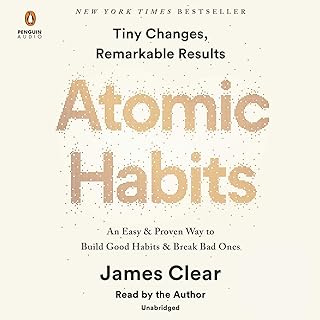
- Start small. Focus on one habit at a time. James Clear's Atomic Habits explains this brilliantly.
- Create routines. Same time, same place, same action every day. Routine eliminates the need for decisions.
- Use accountability. Tell someone your goal. Or join a group that shares your discipline mission.
- Track your streaks. Visual progress is powerful. A simple calendar with X marks can keep you going.
- Focus on identity. Instead of "I'm trying to run," say "I'm a runner." Identity-driven habits last.
A Tool to Rewire Your Brain
If you want a structured approach, consider The Psychology of Self-Discipline: Twenty-Four Proven Strategies to Rewire Your Brain for Consistent Action. It's packed with actionable techniques to move from willpower struggles to automatic discipline.

The Stoic Perspective on Self-Control and Self-Discipline
The ancient Stoics understood this distinction long before modern psychology. For them, self-discipline was about living in accordance with reason and virtue. It wasn't about suppressing desires; it was about training yourself to desire the right things.
Ryan Holiday's book Discipline Is Destiny: The Power of Self-Control explores this beautifully. He shows how self-control and self-discipline are two sides of the same coin, but mastery comes when you move from resisting to embodying discipline.

Another excellent resource is Stoic Self-Discipline: Stoicism’s 33 Ancient Secrets to Building Unbreakable Self-Control and Mental Toughness. It dives deep into ancient wisdom that is surprisingly practical for modern life.

Why Most People Get Stuck: The Self-Sabotage Trap
You might know the difference intellectually, but your brain still fights you. That's because of deep-seated patterns of self-sabotage. You set a goal, you start strong, then you sabotage yourself when success feels too close or too scary.
Brianna Wiest's book The Mountain Is You: Transforming Self-Sabotage into Self-Mastery is a must-read for anyone who wants to understand why they keep getting in their own way.

Self-sabotage often happens when you rely too heavily on self-control. You're constantly battling yourself, so when you slip, you feel like a failure. That guilt cycle kills discipline. The solution is to build systems, not willpower.
Comparison Table: Best Books on Self-Discipline and Self-Control
Here are five top-rated books that directly address is self control and self discipline the same and how to master both.
| Book | Price | Rating | Description | Buy on Amazon |
|---|---|---|---|---|
 |
$8.66 | 4.7 | Brian Tracy's classic on the power of self-discipline in all areas of life. | Buy Now |
|
$0.00 (audible) | 4.8 | The ultimate system for building good habits and breaking bad ones. | Buy Now |
|
$5.88 | 4.7 | Ryan Holiday's stoic exploration of self-control as a path to greatness. | Buy Now |
 |
$16.83 | 4.6 | Practical guide to using self-control and mental toughness to reach your goals. | Buy Now |
|
$0.00 (audible) | 4.7 | Transforming self-sabotage into self-mastery, understanding the inner blocks. | Buy Now |
Quick Wins: 3 Action Steps to Apply Today
You don't need to read ten books to start. Here's what you can do right now:
- Identify one area where you rely on self-control too much. Is it diet? Procrastination? Phone usage? Write down the specific temptation.
- Remove the temptation from your environment. Delete the app, stop buying the junk food, put your phone in another room during work.
- Create a simple routine to replace the old behavior. Set a fixed time for the new habit. No decisions. Just execution.
That's it. By moving from self-control (resistance) to self-discipline (removal + routine), you'll save your willpower for things that truly matter.
FAQ: Is Self Control and Self Discipline the Same?
1. Is self control and self discipline the same thing?
No. Self-control is the ability to resist immediate temptations in the moment. Self-discipline is the consistent practice of habits and routines that make those temptations less relevant over time. One is reactive, the other is proactive.
2. Can you have self-discipline without self-control?
It's very difficult. Self-control is often the starting point. You need willpower to begin a new habit before it becomes automatic. However, as you build discipline, you need less self-control.
3. Why do I fail even though I have strong self-control?
Because self-control depletes. If you rely on willpower alone, you'll run out of mental energy and eventually break. You need systems and habits (self-discipline) to sustain long-term results.
4. Which is more important for success?
Self-discipline is more important for long-term success. It creates consistency. But self-control is useful for those initial stages and unexpected situations. Both are valuable, but discipline is the foundation.
5. How can I improve self-discipline quickly?
Start with one tiny habit. Use the 2-minute rule: do the new behavior for just two minutes a day. Stack it onto an existing routine. Track your progress. Over time, increase the duration. Consistency beats intensity.
6. Are there any books that explain the difference well?
Yes. Brian Tracy's No Excuses!: The Power of Self-Discipline and James Clear's Atomic Habits are excellent starting points.
Final Thoughts: The Shift That Changes Everything
The moment you realize is self control and self discipline the same? No, and that understanding frees you from the cycle of burnout. Stop trying to be a willpower superhero. Start building a disciplined life where the right choices become effortless.
Self-control is what gets you through the first hard week. Self-discipline is what keeps you going for years. Both are tools, but you need to know when to use each one.
You don't have to fight every battle. Build the system, and the system will fight for you.
Now go make your bed, set your routine, and watch the results follow.