
You know that feeling. You wake up with big goals, but by breakfast you're scrolling your phone. By lunch you've talked yourself out of the workout. By dinner you're ordering takeaway again. You look in the mirror and think: I have no self discipline.
If that sentence feels personal, you are not broken. You are not lazy. And you are certainly not alone. The truth is, everyone feels this way at some point. The difference between those who succeed and those who stay stuck isn't some magical willpower gene. It's a set of practical strategies you can learn.
This article is your field guide. We will look at why self discipline feels impossible, then give you real, science-backed fixes you can use right now. No fluff, no fake stats, no one size fits all promises. Just actionable steps and honest advice.
Let's start by clearing up one big myth: self discipline is not something you either have or don't have. It is a skill you build, one tiny choice at a time. And you absolutely can build it.
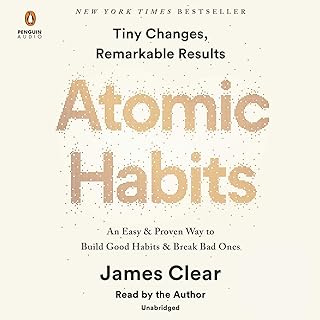
Table of Contents
Why Saying "I Have No Self Discipline" Is a Trap
When you label yourself as someone with no self discipline, you give yourself permission to quit before you even start. That phrase becomes a self fulfilling prophecy.
The real issue is not a lack of discipline. It is a lack of systems, a lack of understanding how your brain works, and often an overload of instant gratification options. Motivation comes and goes like the weather. Discipline is what keeps you moving through the storm.
Think of discipline like a muscle. If you never exercise it, it stays weak. But the good news is, even small consistent actions rebuild it. You don't need a radical transformation overnight. You just need to do one thing differently today.
The Science Behind Self Discipline and Willpower
Researchers have spent decades studying why we struggle to do what we know we should. Here is a short version of what they found.
Willpower is a finite resource. When you use it to resist the cookie, you have less left for the workout later. This is called ego depletion. But more recent research shows that your beliefs about willpower matter too. If you believe it is limited, it feels limited. If you believe it can be strengthened, it can.
Another key insight: your environment shapes your behavior far more than your intentions. A study in the Journal of Personality and Social Psychology found that people who kept fruit on their counter weighed less than those who kept cereal or soda out. Simple design, huge impact.
So if you say I have no self discipline, the real question is: what is your environment telling you to do?
Practical Fix #1: Stop Relying on Motivation
Motivation is a liar. It shows up when things are easy and disappears when you need it most. Discipline, on the other hand, is what you do when motivation is nowhere to be found.
The fix is to create systems that make the right action the path of least resistance. James Clear explains this brilliantly in his book Atomic Habits. He shows that small, 1% improvements compound into massive change over time.
Instead of waiting for the perfect mood to exercise, put your gym clothes next to your bed. Instead of hoping you will eat healthy, meal prep on Sunday. Instead of trusting yourself to resist temptation, remove the temptation from your house.
Key actions you can take today:
- Identify one habit you want to build. Make it so small it feels silly. One push up. One page of a book. One minute of meditation.
- Stack the new habit onto an existing one: After I pour my coffee, I will meditate for 60 seconds.
- Remove one obstacle that makes the habit hard. Put the book on your pillow. Set your alarm across the room.
Practical Fix #2: Understand Why You Quit
Most people who say I have no self discipline have actually tried really hard. They just quit because it felt too difficult, too boring, or too painful.
Discipline is not about forcing yourself through misery. It is about learning to tolerate discomfort in small doses and then increasing your capacity over time.
Think of it like exposure therapy for your willpower. Every time you choose the hard thing instead of the easy thing, you prove to your brain that you can survive it. That builds confidence.
One of the best books on this topic is No Excuses!: The Power of Self-Discipline by Brian Tracy. It cuts through the excuses and gives direct, no nonsense strategies.
Brian Tracy argues that self discipline is the master key to success. He breaks it down into specific areas like personal discipline, business discipline, and relationship discipline. Each chapter gives you a clear action plan.

Practical Fix #3: Use the 5 Minute Rule
When you feel resistance, commit to doing the task for just five minutes. Set a timer. After five minutes, you have permission to stop.
Nine times out of ten, you will keep going. The hardest part is starting. Once you are in motion, inertia works in your favor. This technique is used by everyone from Navy SEALs to top CEOs.
If five minutes still feels too hard, do two minutes. Or one. The point is to break the paralysis of starting.
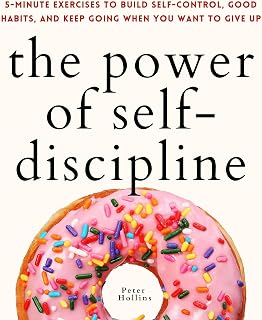
This aligns with the principle in The Power of Self-Discipline: 5-Minute Exercises to Build Self-Control, Good Habits, and Keep Going When You Want to Give Up. The book offers short, targeted exercises that fit into your day.
Practical Fix #4: Design Your Environment for Success
This is the single most impactful change you can make. Your environment is the silent puppet master of your behavior.
If you want to eat healthier, stop relying on willpower at the grocery store. Make a list and stick to it. Keep junk food out of your house. If it is not there, you cannot eat it.
If you want to work more efficiently, put your phone in another room during focus time. Use website blockers. Keep your desk clear.
If you want to read more, put a book on your nightstand and your phone in the kitchen.
Environment design works because it reduces the number of decisions you have to make. Each decision costs willpower. By automating good choices, you free up mental energy for what matters.
Practical Fix #5: Build Self Discipline Through Micro Wins
You cannot go from zero discipline to marathon training in a week. But you can string together small wins. Each win rewires your brain to believe you are someone who follows through.
Start with one domain. Maybe it is making your bed every morning. Admiral William H. McRaven famously said that if you make your bed, you have accomplished the first task of the day. It gives you a small sense of pride and encourages you to do another task.
His book Make Your Bed: Little Things That Can Change Your Life…And Maybe the World is a powerful reminder that discipline often starts with tiny, consistent actions.

Examples of micro wins:
- Drink a glass of water right after waking up.
- Do 10 squats before your shower.
- Write one sentence in a journal.
- Delete one app that wastes your time.
Do this for a week. Then add another micro win. Within a month, you will have a collection of small habits that require almost no discipline to maintain.
Practical Fix #6: Use the Power of Identity
Instead of saying "I want to stop procrastinating," say "I am a disciplined person." This shift from outcome based goals to identity based habits is a core concept in Atomic Habits.
When you see yourself as someone with self discipline, your actions naturally align with that identity. You stop asking "should I do this?" and start asking "what would a disciplined person do?"
This is not about faking it until you make it. It is about consciously choosing the identity you want to embody. Your brain will find evidence to support whatever story you tell it. Why not tell a better story?
Practical Fix #7: Prepare for Failure (Yes, Really)
Everyone slips. The disciplined person knows this and plans for it. They use the strategy called "if then" planning.
- If I skip my workout, then I will do 10 minutes of stretching instead.
- If I eat junk food, then I will double my vegetable intake at the next meal.
- If I feel overwhelmed, then I will take three deep breaths before checking my phone.
This removes the guilt spiral. You cannot have perfect discipline. But you can have good enough discipline that bounces back quickly.
A great resource for this mindset is The Mountain Is You: Transforming Self-Sabotage into Self-Mastery. It helps you understand why you self sabotage and how to break free from that cycle.

Practical Fix #8: Learn From the Stoics
Ancient philosophy has a lot to say about self discipline. The Stoics believed that self control was the foundation of a good life. They trained themselves to accept discomfort and prioritize what they could control.
If you want a modern Stoic take, read Discipline Is Destiny: The Power of Self-Control by Ryan Holiday. It is part of his Stoic Virtues series and full of historical examples of men and women who practiced extreme discipline.
The key Stoic idea: you cannot control external events, only your responses. Discipline is not about suppressing desires; it is about directing them toward what matters.

For a more structured 30 day program, check out STOIC DISCIPLINE 30 DAYS TO UNBREAKABLE SELF-CONTROL AND FOCUS. It gives daily exercises rooted in Stoic philosophy.

Practical Fix #9: Address Your Digital Addiction
One of the biggest modern discipline killers is your phone. Every notification is designed to hijack your attention. You cannot build self discipline if you are constantly in a state of digital distraction.
The book Digital Self-Discipline: Break Free from Dopamine’s Snare, Overcome Digital Addictions & Reclaim Your Drive offers a direct path to take back control. It explains how dopamine loops keep you hooked and what to do about it.

Quick fixes for digital discipline:
- Turn off all non essential notifications.
- Use grayscale mode on your phone (color is designed to grab attention).
- Keep your phone out of the bedroom.
- Schedule specific times to check social media.
Practical Fix #10: The Power of Accountability
When you tell someone else you are going to do something, you are far more likely to follow through. That is the power of accountability.
Find a friend, join a group, or use an app that tracks your commitments. Even telling your spouse "I am going to exercise at 6 am tomorrow" creates a tiny contract. Breaking that contract feels worse than just failing silently.
You can also write down your goals and put them where you will see them daily. Visual reminders keep your brain focused.
Comparison Table of Top Self Discipline Books
The books below are the most recommended resources for building discipline. Each offers a unique angle.
| Product | Price | Rating | Key Focus | Buy at Amazon |
|---|---|---|---|---|
| Atomic Habits |
$0.00 (audible) | 4.8 | Habit systems, identity change, 1% improvements | Buy Now |
| No Excuses! |
$8.66 | 4.7 | Direct mindset, all areas of life | Buy Now |
| Discipline Is Destiny |
$5.88 | 4.7 | Stoic philosophy, historical role models | Buy Now |
| The Mountain Is You |
$0.00 (audible) | 4.7 | Self sabotage, emotional mastery | Buy Now |
 The Power of Discipline The Power of Discipline |
$16.83 | 4.6 | Mental toughness, action oriented | Buy Now |
 The Psychology of Self-Discipline The Psychology of Self-Discipline |
$17.99 | 4.6 | Brain rewiring, 24 strategies | Buy Now |
How to Master Self Discipline in 30 Days
A quick roadmap if you want a structured plan. Pick one area to focus on.
Week 1: Build awareness
Track your current habits without judgment. Notice when you give in to impulses. Write down your triggers.
Week 2: Remove obstacles
Clean up your environment. Remove the junk food, delete distracting apps, and set up cues for good habits.
Week 3: Start micro habits
Choose three tiny actions and do them every day. Not huge. Just consistent.
Week 4: Increase the challenge
Add a bit more duration or intensity to your habits. If you started with one push up, do three. If you read one page, read two.
By the end of 30 days, you will have proven to yourself that self discipline is not a fixed trait. It is something you can grow.
For a guided approach, consider Self Discipline: 30 Days to Self Discipline which takes you through a day by day plan.

The Role of Mindfulness in Self Discipline
Mindfulness is not just for meditation apps. It helps you pause before reacting. When you feel the urge to procrastinate, mindfulness lets you notice that urge without automatically obeying it.
You can practice this by taking three deep breaths before any decision you might regret. It creates a tiny gap between impulse and action. In that gap, you can choose differently.
The book Mindful Self-Discipline: Living with Purpose and Achieving Your Goals in a World of Distractions combines mindfulness with discipline strategies.

What to Do When You Feel Like Giving Up
This is the moment that separates those who build discipline from those who stay stuck. When you hit a wall, do not trust your feelings. Your feelings will lie to you and tell you it is pointless.
Instead, lower the bar. If you cannot do your full workout, do a five minute walk. If you cannot write a chapter, write one sentence. The act of doing something reinforces the identity of a person who follows through.
Also remember that every disciplined person has failed hundreds of times. They just got back up one more time than they fell.
365 Days With Self-Discipline offers a daily dose of inspiration and wisdom to keep you going through the year.

Frequently Asked Questions
Why do I have no self discipline at all?
Most likely you are relying on motivation, not systems. You may also have an environment that works against you, or you are trying to change too much too fast. Start with one tiny change and build from there.
Is self discipline genetic?
No. Research shows that self discipline is a learnable skill. Some people may have a temperament that makes it easier, but everyone can improve with practice.
Can self discipline be rebuilt after years of bad habits?
Absolutely. Your brain remains plastic throughout life. Every time you make a disciplined choice, you strengthen the neural pathways that support that behavior. It takes time, but it always works.
How long does it take to build self discipline?
It depends on the person and the habit. Research suggests it takes anywhere from 18 to 254 days to form a new habit, with an average of 66 days. Focus on consistency, not speed.
What is the best book for someone who thinks they have no self discipline?
Start with Atomic Habits. It is practical, easy to read, and immediately applicable. If you want a shorter punch, try No Excuses!.
Your Next Step: Stop Reading, Start Doing
You have read a lot of advice. Now it is time to choose one thing. Not ten things. One.
Maybe it is making your bed. Maybe it is deleting Instagram. Maybe it is buying one of the books above.
The only way to stop feeling like you have no self discipline is to take action. Small action. Consistent action.
You already have everything you need inside you. The systems, the books, the strategies we covered are just tools. The real work is showing up tomorrow morning and proving to yourself that you can.
You can. And you will.