
You know the feeling. You wake up ready to crush the day, fired up about your goals. By 10 a.m. you’ve already scrolled Instagram for forty minutes and eaten the cookie you swore you’d skip. By 3 p.m. you feel like a failure, promising yourself you’ll try harder tomorrow. Sound familiar?
The truth is, trying harder is a trap. If you want to know how to have self discipline that actually sticks, you need to stop relying on willpower and start designing your life so discipline happens automatically. This isn’t about gritting your teeth through every temptation. It’s about building a system that makes the right choice the easy choice.
Let’s dive into the real mechanics of self-discipline, the science behind why constant effort fails, and the exact strategies you can use to set yourself up so you don’t have to try hard all day.
Table of Contents
What Is Self Discipline Really? (Spoiler: It’s Not Willpower)
Most people think how to have self discipline is about resisting temptation like a Spartan warrior. They imagine flexing mental muscle against every donut, every Netflix episode, every snooze button. That approach works for about three days before your brain rebels.
Self-discipline isn’t a trait you’re born with. It’s a skill you build by shaping your environment, routines, and identity. Research shows that willpower is a limited resource, like a battery that drains throughout the day. Every decision you make depletes it a little more. That’s why the most disciplined people don’t rely on willpower at all. They engineer their world so temptation never even shows up.

In his classic book No Excuses!: The Power of Self-Discipline, Brian Tracy argues that self-discipline is the master key to success. But he doesn’t tell you to white-knuckle your way through life. Instead, he shows you how to build the mental frameworks that make discipline a natural byproduct of your habits.
Why Trying Hard All Day Backfires (The Science of Ego Depletion)
You’ve heard the phrase “decision fatigue.” It’s real, and it’s the enemy of sustainable self-discipline. Every time you force yourself to do something you don’t want to do, you spend mental energy. By evening your willpower tank is empty, and you’re more likely to make poor choices.
Consider this: the most disciplined people don’t spend their day battling cravings. They spend their day executing routines they’ve automated. They wake up and brush their teeth without thinking about it. They go to the gym because it’s part of their identity. They don’t decide whether to eat healthy; they’ve already prepped meals for the week.
How to have self discipline without exhausting yourself means:
- Automating good decisions through habits and routines
- Removing friction from healthy behaviors
- Adding friction to unhealthy ones
- Designing your environment to nudge you toward your goals
The 4 Pillars of Effortless Self Discipline
These four strategies will transform your approach. You won’t need to “try hard” anymore. You’ll simply set up the conditions for discipline to thrive.
1. Environment Design: Make the Right Thing Easy
Your surroundings are far more powerful than your willpower. If a bag of chips is sitting on your counter, you will eat it. If your phone is beside your bed, you will check it. If your running shoes are hidden in the closet, you won’t run.
The fix is simple: tilt the odds in your favor.
- Keep healthy snacks visible and accessible
- Put your phone in another room while you work
- Lay out your workout clothes the night before
- Delete distracting apps from your phone
- Use website blockers during focused work hours
One study found that people who kept fruit on their counter weighed less than those who kept processed snacks. The difference wasn’t willpower. It was environment.
2. Habit Stacking: Let Your Routines Run on Autopilot
Instead of deciding every morning whether to meditate, write, or exercise, attach those behaviors to existing habits. This is called habit stacking, popularized by James Clear in Atomic Habits.
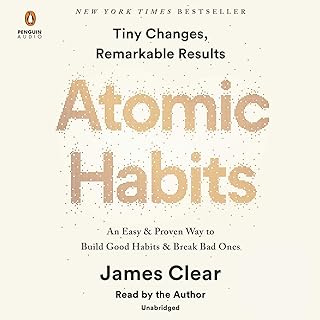
James Clear’s work is arguably the most practical guide ever written on how to have self discipline. He explains that small, tiny habits compound into remarkable results. Instead of trying to be a different person, focus on systems that make discipline inevitable.
For example:
- After I pour my morning coffee, I will meditate for two minutes
- After I brush my teeth at night, I will read for ten pages
- After I close my laptop for lunch, I will do ten pushups
These linked routines require zero willpower after a few weeks. They become part of your day.
3. Identity Shift: Stop Saying “I Have to,” Start Saying “I Am”
The most profound shift you can make is changing how you see yourself. If you tell yourself “I have to go to the gym,” you’re fighting against a desire to stay home. But if you identify as a person who exercises, you don’t decide to go. You simply do what that type of person does.
How to have self discipline becomes a question of identity, not effort. Ask yourself: “Who is the kind of person who would achieve my goals?” Then start acting like that person, even in small ways.
A study in the British Journal of Health Psychology found that people who identified as “exercisers” were far more consistent than those who simply wanted to exercise. Identity trumps willpower every time.
4. The 5-Minute Rule: Stop Overthinking and Start Acting
When a task feels overwhelming, your brain tries to protect you from failure by encouraging procrastination. The solution is to commit to just five minutes. Anyone can do something for five minutes, right?
Open your laptop and write for five minutes. You’ll likely keep going. Put on your running shoes for five minutes. You’ll probably go for a run. The hard part is starting, and the 5-Minute Rule bypasses the mental resistance.
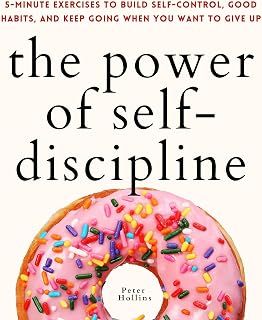
This technique is explained beautifully in The Power of Self-Discipline: 5-Minute Exercises to Build Self-Control, Good Habits, and Keep Going When You Want to Give Up. It’s a practical companion for anyone looking to build discipline in small, digestible chunks.
How to Have Self Discipline in Specific Areas of Life
We’ve covered the universal principles. Now let’s apply them to the most common areas where people struggle.
For Productivity and Focus
Stop checking your email first thing in the morning. That reactive behavior puts you on defense. Instead, start your day with your most important task. Protect that time like a fortress.
- Set a default schedule: Block off your deep work hours on your calendar
- Use a timer: Work in 90-minute sprints, then rest
- Create a distraction-free zone: Keep your phone in a drawer
For Health and Fitness
The most disciplined eaters and exercisers don’t have superhuman willpower. They systemize their lifestyle.
- Meal prep: Spend Sunday afternoon cooking your meals for the week
- Make exercise social: Join a class or find a friend so you’re held accountable
- Create a trigger: Same time, same place, every day
For Finances
Saving money is a discipline challenge. You can’t rely on remembering to skip that coffee. Make it automatic.
- Automate savings: Set up a direct deposit from each paycheck
- Wait 24 hours: Before any non-essential purchase over $50, wait a day
- Remove saved payment methods: Adding friction to online shopping reduces impulse buys
The Role of Sleep, Nutrition, and Stress Management
You cannot have sustainable self-discipline if you’re running on empty. Sleep deprivation reduces your prefrontal cortex activity, the part of your brain responsible for impulse control. You become more irritable, more prone to cravings, and less able to focus.
- Prioritize 7–9 hours of quality sleep
- Eat balanced meals with protein and fiber to stabilize blood sugar
- Manage stress daily through meditation, walking, or deep breathing
When you are well-rested and nourished, how to have self discipline becomes much easier. You actually have willpower available to use when you need it.
Tools and Resources to Build Discipline Faster
Reading about discipline is one thing. Applying it is another. The following books are goldmines of actionable strategies. Many are available on Amazon with high ratings. I’ve included them below with handy links.
| Book Title | Price | Rating | Key Focus | Buy at Amazon |
|---|---|---|---|---|
|
$8.66 | 4.7 | Mental frameworks for overcoming excuses | Buy at Amazon |
|
$0.00 (audio) | 4.8 | Tiny habits that lead to massive results | Buy at Amazon |
 |
$6.95 | 4.7 | Starting small to gain momentum | Buy at Amazon |
 |
$5.88 | 4.7 | Stoic principles for self-control | Buy at Amazon |
 |
$0.00 (audio) | 4.5 | Neuroscience of willpower | Buy at Amazon |
 |
$0.00 (audio) | 4.7 | Overcoming self-sabotage | Buy at Amazon |
 |
$12.93 | 4.7 | Jocko Willink’s no-nonsense field manual | Buy at Amazon |
 |
$0.00 (audio) | 4.7 | Purpose-driven discipline in a distracted world | Buy at Amazon |
 |
$12.99 | 4.8 | Breaking digital addictions | Buy at Amazon |
How to Have Self Discipline: A Beginner’s 7-Day Action Plan
Theory is useless without practice. Here’s a concrete plan to start building discipline without burning out.
- Day 1: Choose one small habit you want to start. Commit to doing it for two minutes.
- Day 2: Identify your biggest temptation and make it harder to access. For example, move the junk food to a high shelf.
- Day 3: Write down your identity statement. “I am a person who _____.”
- Day 4: Use the 5-Minute Rule on a task you’ve been avoiding.
- Day 5: Script your morning routine. Do not check your phone for the first 30 minutes.
- Day 6: Remove one decision from your day. Eat the same breakfast, wear the same outfit.
- Day 7: Review your week. What worked? Double down on that next week.
Common Myths About Self Discipline
Myth 1: You have to be stiff and rigid.
Real discipline is flexible. It’s about knowing when to push and when to rest. The most disciplined people are not robots. They forgive themselves slip-ups and get back on track.
Myth 2: It’s only for super successful CEOs.
Everyone who has achieved anything worthwhile has practiced some form of self-discipline. You don’t need to be extraordinary. You just need to start where you are.
Myth 3: It gets easier after 21 days.
Sorry, but habits don’t magically stick after three weeks. For some it takes months. The key is to keep going even when it’s not easy. Eventually the discipline becomes second nature.
Final Thoughts: Stop Trying, Start Designing
How to have self discipline is not about turning yourself into a iron-willed superhuman. It’s about being smart about where you put your limited energy. You don’t need to try hard all day when you’ve built systems, routines, and environments that do the work for you.
Start with one small change. Remove one distraction. Automate one decision. That’s all it takes. Over time, those small wins stack into a life that feels disciplined without the constant struggle.
Remember, discipline equals freedom. When you control your actions, you control your future. And you don’t have to fight that battle every single moment. You just have to set yourself up so the battle never starts.
Frequently Asked Questions About How to Have Self Discipline
1. Why can’t I stick to my discipline goals?
You’re probably trying to rely on willpower alone. Real discipline comes from creating an environment that supports your goals, not from fighting against your natural impulses. Start by removing temptations, not resisting them.
2. How long does it take to build self discipline?
There’s no fixed number, but most research suggests that simple habits can become automatic in 2–8 months. The more consistent you are, the faster the neural pathways strengthen.
3. Can self discipline be learned, or is it innate?
It is absolutely learned. No one is born disciplined. It’s a skill developed through practice, just like playing an instrument or learning a language.
4. What is the best book on self discipline?
That depends on your style. For practical systems, Atomic Habits is unbeatable. For mindset, No Excuses! by Brian Tracy is excellent. For a Stoic approach, try Discipline Is Destiny.
5. How do I stay disciplined when I’m tired or stressed?
Lower the bar. Do the smallest possible version of your task. One pushup. One minute of meditation. The act of doing something, however tiny, preserves the discipline habit. And be kind to yourself. Stress is temporary. Don’t let one off day become an off week.
6. What is the 5-Minute Rule for self discipline?
Commit to just five minutes of an activity you want to do. After five minutes, you have permission to stop. Usually you’ll keep going because you’ve already bypassed the initial resistance.
7. Does environment really matter that much for self discipline?
Yes. Environment is the invisible hand that shapes your behavior. A cluttered, distracting environment depletes your willpower. A clean, optimized one makes discipline feel effortless.