
You know the feeling. You start a new habit full of fire, then a week later you’re back on the couch scrolling. Motivation is unreliable—it comes in waves and vanishes without warning. That’s why building self-discipline isn’t about waiting for motivation to strike. It’s about creating a system that keeps you moving forward even when your brain is screaming “not today.”
In this guide, you’ll learn exactly how to build a self discipline that sticks. No fluff, no empty motivational quotes. I’ll walk you through a simple, repeatable system based on research, stoic wisdom, and real-world examples. Along the way, I’ll share some of the best books on the topic—including James Clear’s Atomic Habits and Brian Tracy’s No Excuses!—to give you the tools to make consistency a habit, not a struggle.
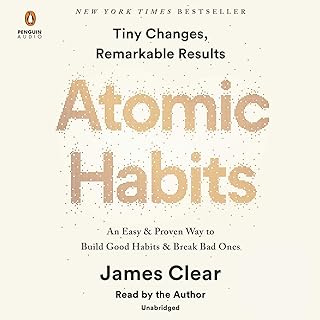
Table of Contents
Why Motivation Alone Will Never Build Self-Discipline
Motivation is like a sugar rush—it spikes, you feel unstoppable, then you crash. Self-discipline, on the other hand, is a slow-burning fuel. It’s what gets you to the gym when it’s raining outside, or to write that report when you’d rather binge-watch a show.
The problem is most people try to rely on motivation to start and sustain new habits. They read a self-help book, feel inspired for three days, then revert to old patterns. That’s not a character flaw—it’s a system flaw. If you want to know how to build a self discipline that works, you have to design a system that doesn’t require heroic willpower every single day.
The Myth of the “Disciplined Person”
We look at people like Jocko Willink or Navy SEALs and think they were born with iron will. But discipline isn’t a personality trait—it’s a skill you can train. As Jocko says in his book Discipline Equals Freedom, discipline is the path to freedom. The more you practice it, the stronger it gets.

The Simple System for Consistency
After studying dozens of books and interviewing people who’ve transformed their lives, I’ve distilled the process into four steps. This system works because it’s built on how your brain actually operates—not on how you wish it operated.
1. Start Ridiculously Small
Your brain hates big changes. If you decide to “wake up at 5 AM, meditate for an hour, exercise, and read for 30 minutes,” you’re setting yourself up for failure. The key is to make the first action so easy that you can’t say no.
- Do one push-up instead of a full workout.
- Write one sentence instead of a journal page.
- Read one paragraph instead of a chapter.
This is the “Atomic Habits” approach. By lowering the barrier to entry, you bypass your brain’s resistance. Once you start, momentum often carries you further. But even if it doesn’t, you still succeeded at the small action, which builds self-trust.
2. Stack Your Habits
The best way to make a new behavior automatic is to attach it to an existing routine. This is called habit stacking. For example:
- After I pour my morning coffee, I will meditate for 2 minutes.
- After I brush my teeth at night, I will write down three things I’m grateful for.
- After I sit down at my desk, I will open my most important task first.
The beauty of this method is that you don’t need to remember to do the new habit—it’s triggered by something you already do without thinking.
3. Remove Friction and Add Distractions
Willpower is a limited resource. The smarter approach is to shape your environment so that the disciplined choice is the easiest one.
- Make good habits obvious: Keep your gym clothes by the bed. Put a book on your pillow. Pre-pack your healthy lunch.
- Make bad habits invisible: Delete social media apps from your phone. Keep junk food out of the house. Turn off notifications when you focus.
A great resource for this is The Power of Discipline by Daniel Walter. It explains how environmental design can triple your chances of sticking with a habit.

4. Never Miss Twice
No one is perfect. You will have days when you skip your habit. Maybe you’re sick, exhausted, or life throws a curveball. That’s okay. What matters is that you never miss twice in a row.
This rule is gold. If you miss one day, you get right back on track the next day. It prevents a single slip from turning into a spiral of guilt and quitting.
What to Do When Motivation Disappears (Because It Will)
Even with the best system, there will be days when you feel completely empty. No drive. No energy. No desire to do the work. This is where discipline separates the dreamers from the doers.
Use the 5-Second Rule
Mel Robbins popularized this: when you feel the urge to procrastinate, count backward from 5 to 1 and then move. It’s a simple trick to interrupt your brain’s hesitation loop. Try it right now—5,4,3,2,1—and start whatever you’ve been putting off.
Leverage Your Identity
Instead of thinking “I need to go running,” shift to “I am a runner.” When you align your actions with your identity, discipline becomes an expression of who you are, not a chore. The book The Mountain Is You by Brianna Wiest dives deep into this idea of transforming self-sabotage into self-mastery.

Remind Yourself of Your “Why”
Take a piece of paper and write down the deeper reason you want this habit. Maybe it’s to be healthy enough to play with your kids, or to build a business that gives you freedom. When motivation disappears, reread that note. It’s a powerful anchor.
The Stoic Approach to Self-Discipline
Stoicism offers timeless wisdom for building discipline. The ancient Stoics like Marcus Aurelius and Epictetus believed that we can’t control external events, only our responses. This mindset eliminates excuses.
If you want a modern take on Stoic discipline, check out Discipline Is Destiny by Ryan Holiday. It’s part of his Stoic Virtues series and shows how self-control shapes your destiny.

Books That Will Transform Your Self-Discipline
The following resources are worth their weight in gold. I’ve listed a few here, and you can find more in the table below.
| Book | Price | Rating | Buy at Amazon |
|---|---|---|---|
| Atomic Habits by James Clear | $0.00 (audible) | 4.8 | |
| No Excuses! by Brian Tracy | $8.66 | 4.7 |  |
| Discipline Equals Freedom by Jocko Willink | $12.93 | 4.7 | |
| The Power of Self-Discipline by Peter Hollins | $0.00 (audible) | 4.4 | 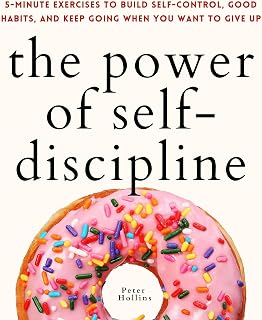 |
| The Four Agreements by Don Miguel Ruiz | $7.05 | 4.7 | 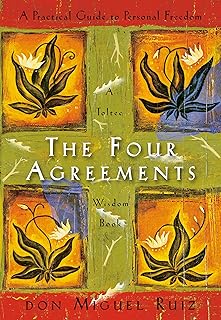 |
| 365 Days With Self-Discipline by Martin Meadows | $0.00 (audible) | 4.5 |  |
| Stoic Self-Discipline by R. G. Collins | $19.99 | 4.7 |  |
| Digital Self-Discipline by K. C. Lee | $12.99 | 4.8 |  |
| Mindful Self-Discipline by Giovanni Dienstmann | $0.00 (audible) | 4.7 |  |
| The Psychology of Self-Discipline by Peter Hollins | $17.99 | 4.6 |  |
Each of these books offers unique insights. I recommend starting with Atomic Habits for the system, then No Excuses! for motivation, and Discipline Is Destiny for deeper philosophy.
Building Self-Discipline in Specific Areas
Health and Fitness
Consistency in exercise is often the hardest because results are slow. Use the rule of “never miss twice.” Even if you only walk for 10 minutes, that’s a win.
Work and Productivity
The Pomodoro technique works wonders: work for 25 minutes, break for 5. It trains your brain to focus and builds discipline through short bursts.
Digital Discipline
Our phones are the ultimate dopamine traps. Digital Self-Discipline is a fantastic resource for anyone struggling with screen time.
Common Questions About Building Self-Discipline
How long does it take to build self-discipline?
There’s no fixed timeline, but you’ll start seeing changes within 2–3 weeks of consistent practice. Focus on small wins daily.
Is self-discipline the same as willpower?
Willpower is a temporary resource; self-discipline is a cultivated habit. Willpower gets depleted, self-discipline becomes automatic.
Can anyone build self-discipline?
Absolutely. It’s a skill, not a genetic gift. Start with one tiny habit and compound from there.
Your Next Step
Stop waiting for motivation. Start with one small action today. Maybe it’s reading one page of No Excuses! or doing one push-up. Whatever it is, do it now.
Remember: how to build a self discipline isn’t about being perfect. It’s about being consistent even when it’s hard. The system works if you work the system.
Frequently Asked Questions
Q: What is the best way to start building self-discipline?
A: Start with a tiny habit you can do every day, like making your bed or meditating for two minutes. Consistency matters more than intensity.
Q: Why does my motivation disappear after a few days?
A: Motivation is driven by novelty and emotion. Self-discipline is built through habit and environment. Use the system above to keep going regardless of how you feel.
Q: How do I have self-discipline to say no to distractions?
A: Remove distractions from your environment first. Then practice saying “no” to yourself in small ways, like skipping one episode or putting your phone in another room.
Q: Can I build self-discipline without reading books?
A: Yes, but books provide proven frameworks. If you want a structured approach, try The Psychology of Self-Discipline for science-backed techniques.
Q: What if I fail one day?
A: Forgive yourself and don’t miss twice. A single slip doesn’t erase your progress. Get back on track immediately.