
Procrastination is a liar. It whispers that tomorrow will be easier, that you’ll feel more motivated, that the perfect moment is just around the corner. But tomorrow rarely delivers. To finally stop the cycle of delay, you need to have self discipline woven into your daily thinking. Without it, “later” always wins.

Discipline isn’t about grinding yourself into exhaustion. It’s about making small, smart choices that align with who you want to become. The 7 mindset shifts below will rewire your brain so that self-discipline feels less like a chore and more like a natural response to life’s temptations.
Let’s dive in.
Table of Contents
Mindset Shift 1: Stop Waiting for Motivation — Start with Micro-Actions
Most people believe they need to feel motivated before they act. That’s backward. To have self discipline, you must act first, and motivation follows. This is the foundation of every successful habit change.
Think of it like starting a cold engine. You don’t wait for the car to warm up before turning the key. You turn the key, and the heat builds as it runs. The same applies to you.
Actionable example: Want to exercise? Put on your shoes and stand at the door. That’s it. The brain will push you to finish the routine because walking away after tying your laces feels absurd.
This tiny commitment beats the “I’ll do it later” monster every time. Later thrives on big promises. Micro-actions leave no room for excuses.
Mindset Shift 2: See Delayed Gratification as a Superpower, Not a Sacrifice
Society sells instant pleasure. But every time you choose a small, fleeting reward, you steal from your future self. To have self discipline, you must reframe waiting as winning.
The marshmallow test taught us that kids who could wait got twice the treat. Adult life works the same way. When you skip the impulse buy, you free up money for a bigger goal. When you decline that third drink, you wake up clear-headed and productive.
Here’s the mindset trick: Stop saying “I can’t have this.” Say “I’m choosing something better.” For example, “I’m choosing to have self discipline so I can feel proud tonight and energized tomorrow.”
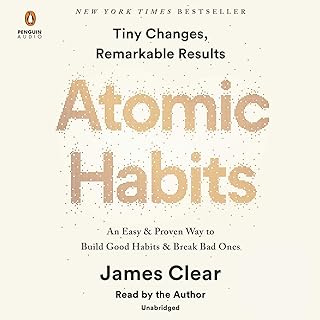
James Clear’s Atomic Habits shows how small, consistent choices create massive results over time. It’s a blueprint for making delayed gratification your default mode.
Mindset Shift 3: Kill the “All-or-Nothing” Mentality
Perfectionism is procrastination in disguise. When you believe you must do something perfectly, you often do nothing at all. To have self discipline, embrace the concept of “good enough for now.”
Missed a workout? Do five minutes instead of zero. Skipped a day of journaling? Write one sentence. The key is to never break the chain completely. A weak link still holds, and you can strengthen it tomorrow.
This shift stops later from creeping in because it removes the shame that fuels avoidance. Shame says, “You already failed, so why bother?” Self-compassion says, “You’re still on the path. Keep moving.”
Momentum is built on imperfect action, not flawless execution.
Mindset Shift 4: Treat Your Future Self as a Real Person
A powerful mental trick: your future self is not a stranger. They are you, but older and more burdened by your present choices. To have self discipline, imagine them clearly.
- What does your future self look like?
- How do they feel when you skip the important task today?
- What would they thank you for doing right now?
When you frame discipline as a gift to your tomorrow-self, it transforms from a punishment into an act of love. You’re not forcing yourself to work. You’re protecting the person you’re becoming.
Studies in behavioral psychology confirm that people who visualize their future self with vivid detail make better long-term decisions. Your brain treats that future person almost like a close friend. You wouldn’t let a friend down. Don’t let yourself down either.
Mindset Shift 5: Create an Environment That Makes Discipline Automatic
Your willpower is like a phone battery. It drains throughout the day. To have self discipline, you can’t rely on it for every decision. Instead, design your surroundings to do the heavy lifting.
- Put the junk food in a high cupboard or don’t buy it at all.
- Place your running shoes next to your bed.
- Use a website blocker during work hours.
Temptation is the “later” button’s best friend. Remove the button, and later loses its power. You don’t need to fight cravings if they never arise.
This is what James Clear calls “environmental design.” It’s one of the most effective strategies in Atomic Habits, and it works because it uses friction and convenience to your advantage.
Mindset Shift 6: Replace “I Should” with “I Choose”
Listen to your inner voice. When you say “I should go to the gym,” it sounds like an obligation. “I should” feels heavy, like a command from someone else. To have self discipline, change your language to “I choose.”
- “I choose to go to the gym because I want energy.”
- “I choose to finish this report because I value my career.”
- “I choose to have self discipline because I love my future.”
This small verbal shift reclaims your agency. You’re no longer a victim of discipline. You’re the decision-maker. And when you own your choices, later has no power because you acknowledge that postponing is also a choice — one you’re consciously rejecting.
Try it for a week. Every time you hear “I should,” pause and rephrase. Notice how the resistance fades.
Mindset Shift 7: Build Identity-Based Habits
Most people set goals (e.g., “I want to lose 10 pounds”). Goals are fine, but they focus on outcomes. To have self discipline permanently, you must shift your identity.
Instead of “I want to run a marathon,” tell yourself “I am a runner.” Instead of “I want to save money,” say “I am a disciplined saver.”
When your identity matches your actions, discipline becomes natural. You don’t force yourself to do things that feel wrong for who you are. You simply behave in alignment with your self-image.
This is the core idea behind Atomic Habits and also The Power of Discipline by Daniel Walter. Both books emphasize that lasting change starts from the inside out.

Train your brain to see discipline as part of your DNA, not a temporary effort. Your actions will follow.
Practical Tools to Support Your Self-Discipline Journey
Books can be powerful anchors on this path. Below are three highly rated titles that provide research-backed strategies. Each one offers unique perspectives on building internal control.
| Book | Price | Rating | Key Focus | Buy on Amazon |
|---|---|---|---|---|
|
$0.00 (audio) / paperback available | 4.8 | Habit stacking, identity change, tiny improvements | Buy Now |
|
$16.83 | 4.6 | Mental toughness, self-control exercises, goal achievement | Buy Now |
|
$8.66 | 4.7 | Time management, personal responsibility, no-nonsense approach | Buy Now |
All three books complement the seven mindset shifts above. They provide deeper frameworks and daily exercises to reinforce your progress.
FAQ: Common Questions About Self-Discipline
1. What is the best way to have self discipline if I have no willpower left?
Start with micro-actions. Do one push-up. Write one sentence. The paradox is that small wins rebuild willpower. Also use environmental design to remove temptations while your willpower is low.
2. How long does it take to build self-discipline?
Research suggests it takes anywhere from 18 to 254 days to form a new habit, with 66 days being the average. Consistency matters more than speed. Focus on not skipping two days in a row.
3. Can self-discipline be learned, or are some people born with it?
Yes, it can absolutely be learned. Self-discipline is a skill, not a fixed trait. Brain plasticity means you can strengthen your impulse control through practice, just like a muscle.
4. Why do I keep procrastinating even when I know I should act?
Procrastination is often an emotional regulation problem, not a laziness one. You avoid the task because it triggers discomfort (boredom, fear, anxiety). The mindset shift needed is to name the emotion and act anyway. Use the 5-second rule: count down from 5 and move.
5. What are the best books on self-discipline?
Top recommendations include Atomic Habits, No Excuses! by Brian Tracy, The Power of Discipline by Daniel Walter, and Make Your Bed by Admiral McRaven. Each offers practical, actionable advice.
6. How do I stay disciplined when I feel unmotivated?
Motivation is unreliable. Build habits that run on autopilot. Also remind yourself of your “why.” Connect the task to a deeper value. For example, “This report helps my team succeed, and I value being a contributor.”
7. Is it normal to have days when discipline breaks down?
Absolutely. Perfection is not the goal. What matters is how quickly you get back on track. A single lapse doesn’t erase your progress. Forgive yourself and restart the next minute, not tomorrow.
Your Next Move
Later is a seductive illusion. It feels safe because it’s distant. But every time you choose to have self discipline in the present moment, you shrink the gap between where you are and where you want to be.
You don’t need a complete personality overhaul. You just need one small mindset shift today. Pick one from this list. Apply it for 24 hours. Then another.
Discipline is not a single heroic act. It’s a thousand small decisions stacked like bricks. And every brick you lay today makes tomorrow’s “later” a little weaker.
Start now. Not later.