
You drag yourself to the gym after work. You promise to avoid sugar—and fail by 3 p.m. You tell yourself you’ll focus for two hours, but your phone steals your attention every five minutes.
Sound familiar? You’ve been leaning on willpower. And willpower is a leaky bucket.
Here’s the truth that changes everything: discipline vs self discipline are not the same thing. Discipline is something imposed from outside—a coach, a boss, a deadline. Self-discipline is the internal engine that keeps you going when no one is watching, no rule is enforced, and no reward is guaranteed.
In this deep dive, we’ll break down the real difference between discipline and self-discipline, why willpower alone will always let you down, and how to rewire your life so self-discipline becomes your default mode.
Table of Contents
Discipline vs Self Discipline: The Core Difference
Let’s start with a simple definition.
Discipline is external. It’s the structure you impose through rules, rewards, punishments, and systems created by others. Think of a military boot camp, a strict schoolteacher, or a fitness coach counting your reps. Discipline works—but only as long as the authority is present.
Self-discipline is internal. It’s the ability to choose the harder path because you’ve aligned your actions with your values, goals, and identity. It doesn’t need a supervisor. It doesn’t rely on a reward chart. It comes from deep inside your own mind.
The difference isn’t just academic. It’s the difference between someone who stays fit only while paying a personal trainer and someone who works out habitually because they see themselves as an active person.
| Aspect | Discipline | Self-Discipline |
|---|---|---|
| Source | External rules, authority | Internal values, identity |
| Motivation | Fear of punishment, desire for reward | Commitment to personal standards |
| Duration | Temporary (fades without enforcement) | Lasting (integrated into routine) |
| Example | Studying because teacher requires it | Studying because you value learning |
| Effort | Requires constant willpower | Becomes automatic over time |
| Best for | Starting, crisis moments, learning basics | Maintenance, long-term growth, freedom |
Why Willpower Alone Fails
Willpower is like a muscle that gets tired. Psychologists call this ego depletion. Every decision, every resistance to temptation, draws from a limited mental energy bank. The more you use it, the weaker it gets.
Consider the famous cookie-radish study. Participants had to resist fresh-baked cookies and eat radishes instead. Afterwards, they gave up much faster on a frustrating puzzle compared to those who ate cookies. Their willpower tank was empty.
So if you’re relying on willpower to force yourself to eat well, work hard, or study late, you’re setting yourself up for failure by bedtime. Eventually, you’ll snap.
Self-discipline, on the other hand, builds automatic responses. You don’t need to fight yourself over and over because the right behavior has become a habit, a routine, a part of who you are.
The Real Power of Self-Discipline
Self-discipline is the secret ingredient that turns dreams into reality. It’s not about grinding yourself into exhaustion. It’s about designing your life so the right choices become the easy choices.
When you have self-discipline:
- You wake up and exercise without bargaining with yourself.
- You finish your most important task before checking social media.
- You say no to distractions because your yes to long-term goals is stronger.
This internal compass frees you. You stop negotiating with temptations. You stop needing external pushes. You become unstoppable because your actions flow naturally from your values.
The most successful people aren’t superhuman. They’ve just internalized self-discipline to the point where it feels effortless. Jocko Willink, author of Discipline Equals Freedom, puts it bluntly: discipline equals freedom. The more you control yourself, the more freedom you have to live on your terms.
How to Build Self-Discipline Without Relying on Willpower
Here’s the step-by-step approach to stop leaning on willpower and start building true self-discipline.
1. Design Your Environment
Willpower fades in the face of temptation. Instead of trying to resist temptation, remove it.
- Keep junk food out of the house.
- Put your phone in another room while working.
- Use website blockers during deep work.
Your environment should support your goals, not fight them. Self-discipline thrives when the path of least resistance aligns with the right choice.
2. Create Systems and Routines
A system is a repeatable process that makes the right action automatic. For example, if you always run at 6 a.m. after brushing your teeth, you stop deciding whether to run. You just execute.
Start small. Pick one habit and link it to an existing one. This is called habit stacking. After I pour my morning coffee, I write three top priorities for the day. No willpower required. It’s just the order of operations.
3. Shift Your Identity
The most powerful shift is from “I’m trying to eat healthy” to “I am a healthy eater.” When you identify with a behavior, it becomes part of your self-concept. Violating it feels wrong, not just disappointing.
Ask yourself: Who do I want to become? Then start acting as that person would, even if you don’t feel like it yet. Fake it until you internalize it.
4. Use Commitment Devices
A commitment device is a way to lock yourself into a future choice. Examples:
- Prepay for a gym membership.
- Tell a friend you’ll send them a progress update daily.
- Set a non-refundable appointment for a session with a coach.
When the cost of backing out is higher than the cost of doing the work, you’ll do the work. Self-discipline includes smartly binding yourself in advance.
5. Redefine Your Relationship with Pain
Every worthwhile pursuit involves some discomfort. Self-disciplined people don’t avoid pain—they reinterpret it. The burn of a hard workout is a signal of growth, not suffering. The boredom of study is a price for mastery.
Reframe the discomfort as a necessary part of progress. Soon, your brain learns to associate the pain with pride, not misery.
Practical Strategies That Build Self-Discipline (With Book Recommendations)
Now let’s dive into actionable tactics you can implement today. To accelerate your growth, consider these excellent books that have helped millions build self-discipline.
No Excuses!: The Power of Self-Discipline by Brian Tracy is a classic. Tracy lays out 21 principles that can transform your life if you apply them. The book is packed with practical advice and sells for just $8.66 on Amazon with a stellar 4.7 rating.

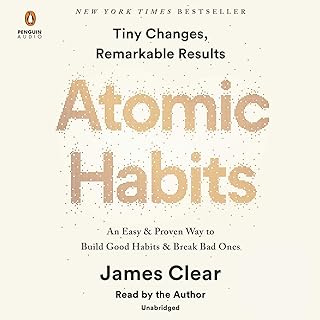
Atomic Habits by James Clear is arguably the most important book on habit formation ever written. Clear shows how tiny changes lead to remarkable results. The audiobook is available for free (with trial), and it has a 4.8 rating from over 148,000 ratings. The core idea: focus on systems, not goals.
The Mountain Is You by Brianna Wiest is a powerful guide to transforming self-sabotage into self-mastery. It’s rated 4.7 and available in Kindle format at no cost (with subscription). Wiest helps you understand why you sabotage yourself and how to stop.

Discipline Equals Freedom by Jocko Willink is a field manual for mental toughness. Willink’s no-nonsense style will push you to take ownership of your life. It’s a compact, powerful read with a 4.7 rating and priced at $12.93.

The Power of Discipline by Daniel Walter brings the science of self-control into a practical handbook. At $16.83 and a 4.6 rating, it’s a solid choice for anyone serious about building mental toughness.

Top Books to Supercharge Your Self-Discipline: Comparison Table
Here’s a quick comparison of five exceptional resources to help you pick the one that matches your current needs.
| Book | Price | Rating | Best For | Buy at Amazon |
|---|---|---|---|---|
| No Excuses!: The Power of Self-Discipline | $8.66 | 4.7 | Practical principles, general self-discipline | |
| Atomic Habits: An Easy & Proven Way to Build Good Habits & Break Bad Ones | Free (audible trial) | 4.8 | Habit formation, systems thinking | |
| The Mountain Is You: Transforming Self-Sabotage into Self-Mastery | Free (Kindle Unlimited) | 4.7 | Emotional blocks, self-sabotage | |
| Discipline Equals Freedom: Field Manual Mk1-MOD1 | $12.93 | 4.7 | Mental toughness, military mindset | |
| The Power of Discipline: How to Use Self Control and Mental Toughness to Achieve Your Goals | $16.83 | 4.6 | Scientific approach, habits | |
Bonus picks:
- The Psychology of Self-Discipline ($17.99, 4.6) – twenty-four strategies to rewire your brain. Buy here.
- Digital Self-Discipline ($12.99, 4.8) – break free from digital addictions. Buy here.
- The Four Agreements ($7.05, 4.7) – a timeless guide to personal freedom. Buy here.
Any of these books will give you concrete steps to stop relying on willpower and start building unshakable self-discipline.
Common Questions About Discipline vs Self Discipline
Is self-discipline more important than discipline?
Yes, for long-term consistency. External discipline is great for getting started, but only self-discipline keeps you going when the novelty wears off.
Can you have discipline without self-discipline?
Absolutely. Many people are disciplined at work because the boss requires it, but have zero self-discipline at home. That’s external discipline—it disappears when the context changes.
How long does it take to build self-discipline?
It depends on the habit. Expect 2–3 months of consistent practice to ingrain a new behavior deeply. But you’ll notice improvements in just a few weeks.
Willpower vs self-discipline—which is better?
Self-discipline wins every time. Willpower is like a sprint. Self-discipline is a marathon. You want the architecture, not the emergency fuel.
Frequently Asked Questions
Q1: What is the main difference between discipline and self-discipline?
Discipline is imposed externally by rules, authority, or consequences. Self-discipline is internally driven by your values, identity, and habits.
Q2: Why does willpower alone not work for building lasting change?
Willpower depletes with use (ego depletion). It relies on constant mental effort, which is unsustainable. Self-discipline uses habits and environment design to make the right choice automatic.
Q3: How can I stop relying on willpower and start using self-discipline?
Stop fighting temptation. Remove it from your environment. Build small, consistent routines. Reframe discomfort as growth. Use commitment devices to lock in future actions.
Q4: What are the best books on self-discipline?
Top picks include Atomic Habits, No Excuses!, The Mountain Is You, Discipline Equals Freedom, and The Power of Discipline. See the comparison table above for details.
Q5: Can self-discipline be learned at any age?
Yes. The brain remains plastic throughout life. You can build new habits and internalize self-control at any point. It just takes consistent practice.
Q6: Is self-discipline the same as self-control?
They overlap. Self-control is the ability to resist impulses in the moment. Self-discipline is the broader ability to align your actions with your long-term goals consistently. Self-control feeds into self-discipline.
Q7: How do I stay disciplined when I don’t feel motivated?
Motivation is fleeting. Rely on systems, not motivation. Have a non-negotiable routine. Remind yourself of your identity: “I am the kind of person who does this even when I don’t feel like it.”
Final Word: Your Freedom Awaits
Understanding the difference between discipline vs self discipline is the first step. The next is taking action. Don’t try to use willpower to force yourself into a new life. That’s like trying to keep a boat afloat by bailing water while ignoring the leak. Instead, fix the leak. Build self-discipline from the inside out.
Start today. Pick one small change. Design your environment. Create a system. Shift your identity. And remember: every time you act according to your values, you strengthen your self-discipline muscle. One day, the struggle disappears, and the right actions become your new normal.
You have everything you need to build the life you want. The only thing standing between you and your goals is you. The good news is, you’ve got what it takes. Now go.