
Scrolling through the protein bar aisle can feel overwhelming. Every package screams "healthy," "natural," or "high protein." But the real story is hidden inside—on the ingredient list. Knowing what to look for in healthy protein bar ingredients separates a genuinely nutritious snack from an overpriced candy bar in disguise.
A great bar starts with a quality protein source. Whether you prefer whey, casein, or plant-based protein powder, the type and purity of the protein matter enormously. The same principles apply when you’re choosing a Top 10 Ingredients That Make a Protein Bar Nutritious —focus on whole food ingredients, minimal processing, and transparent labeling.
Let’s dive deep into every ingredient you should scrutinize, from protein powders to sweeteners, fats, and fillers. By the end, you’ll have a clear checklist for picking protein bars that actually support your health and fitness goals.
Table of Contents
The Foundation: Protein Source and Quality
The first thing to examine is the protein itself. Most bars use either whey protein concentrate, whey protein isolate, or plant-based blends like pea, brown rice, or soy. The quality of the protein powder determines how well your body absorbs and uses those amino acids.
Whey isolate contains less fat and lactose, making it a leaner choice. If you’re lactose sensitive, look for isolates or plant proteins. Grass-fed whey often has a better amino acid profile and fewer additives. For example, Optimum Nutrition Gold Standard 100% Whey Protein Powder is a benchmark for purity—used by many bar manufacturers as a core ingredient.
When you see “protein blend,” check the order. If whey concentrate appears before isolate, the bar likely has more sugar and fat. Whole food proteins like hemp or pumpkin seed are excellent but usually offer less leucine for muscle synthesis.
Key questions to ask:
- Is the protein source listed first on the ingredient panel?
- Is it a complete protein (all nine essential amino acids)?
- Does it contain artificial flavors or fillers?
Sugar: The Hidden Saboteur
Many “healthy” protein bars contain as much sugar as a chocolate candy. The problem isn’t just the amount—it’s the type. Manufacturers use cane sugar, tapioca syrup, honey, rice syrup, and even dextrose to improve taste. Even “natural” sugars spike insulin when eaten alone.
A truly healthy bar should have less than 5 grams of added sugar per serving. Be wary of sugar alcohols like maltitol, which can cause digestive distress. Better alternatives include allulose, erythritol, or monk fruit. Stevia is another zero-calorie option, but some people dislike its aftertaste.
Watch out for “no added sugar” claims—bars can still be loaded with dates or fruit concentrates that raise sugar levels. Always check total sugars (including naturally occurring). A bar with 20 grams of sugar from dates may still be too high for daily consumption.
Fats: The Good, the Bad, and the Ugly
Healthy fats slow digestion and keep you full longer. Look for bars with almonds, peanuts, coconut oil, or cocoa butter. Avoid hydrogenated oils (trans fats) and highly refined vegetable oils like soybean or palm kernel oil.
Some premium bars use MCT oil from coconuts, which provides quick energy and supports ketosis. Others rely on nut butters—excellent sources of monounsaturated fats and vitamin E. But watch out for “low-fat” bars; they often replace fat with more sugar or artificial thickeners.
A good rule: fats should come from whole food sources. If the ingredient list says “vegetable oil” without specifying the type, put it back.
Fiber and Prebiotics
Fiber is the unsung hero of a nutritious protein bar. It slows digestion, stabilizes blood sugar, and keeps your gut healthy. Look for at least 3–5 grams of dietary fiber per bar.
The best sources are chicory root fiber (inulin), oats, flaxseed, chia seeds, or pea fiber. Inulin is common, but some people experience bloating. Bars with whole food fibers (like almonds or oats) tend to be better tolerated.
Prebiotic fibers like organic agave inulin also support friendly gut bacteria. Avoid bars that rely on cellulose or wood pulp—these add fiber but offer no nutritional value.
Additives and Preservatives
The shorter the ingredient list, the better. But not all additives are evil. Some natural preservatives like tocopherols (vitamin E) help keep oils fresh. Lecithin (from sunflower or soy) is an emulsifier that prevents separation.
What you want to avoid:
- Artificial colors (Red 40, Yellow 5, etc.)
- Artificial sweeteners (sucralose, aspartame, acesulfame potassium)
- Hydrogenated oils
- High fructose corn syrup
- “Natural flavors” without disclosure (can mask chemical enhancers)
If you need guidance on reading the fine print, check out Decoding Protein Bar Labels: a Guide to Ingredient Quality for a full breakdown.
The Role of Protein Powder in Bars
Protein powder is the workhorse of modern bars. It provides concentrated protein without the bulk of whole foods. But the type of powder used matters.
Whey protein concentrate is cheapest, with about 80% protein by weight. It retains more lactose and fat. Whey isolate is 90%+ protein, lower in carbs and fat, and faster digesting. Hydrolyzed whey has been broken down into smaller peptides for even quicker absorption.
For plant-based bars, pea protein isolate is a popular choice—it’s high in iron and arginine. Brown rice protein is often paired with pea to create a complete amino acid profile. Orgain Organic Vegan Protein Powder (see the recommended products section) is a great example of a clean plant protein used in many bars.
When scanning a bar’s ingredient list, the protein powder should appear early. If you see “soy protein isolate” near the end, the bar likely has minimal protein from that source.
Decoding Labels: What to Avoid
Even with a solid grasp of good ingredients, companies use clever wording to hide less healthy components. Here are red flags:
- “Protein blend” without specifying individual amounts
- “Sugar” listed in multiple forms (cane syrup, brown rice syrup, honey)
- “Fiber blend” that includes polydextrose (a synthetic fiber)
- “Natural flavors” as the fourth ingredient (often a sign of low-quality base)
- “Palm oil” without sustainable certification (high in saturated fat, environmentally damaging)
A quality bar will have a transparent label. Companies like Floura Bars pride themselves on short, recognizable ingredient lists—often just a handful of whole foods plus a clean protein powder.
FAQ: Healthy Protein Bar Ingredients
Q: How much protein should a healthy bar have?
A: Aim for at least 10–20 grams of protein per bar. Anything less is mostly a glorified snack.
Q: Is it okay if sugar alcohols are the sweetener?
A: Maltitol can cause gas and bloating. Erythritol, xylitol, and allulose are better tolerated, but moderation is still key.
Q: What’s the best protein powder for bars?
A: Whey isolate or a clean plant blend (pea + rice). Avoid bars with cheap concentrate or soy isolate.
Q: Can I use protein powder to make my own bars?
A: Absolutely. Homemade bars with your favorite protein powder let you control every ingredient.
Q: Are “gluten-free” protein bars automatically healthy?
A: No. Gluten-free does not mean low sugar or low fat. Always check the full ingredient list.
Top Protein Powder Recommendations for Cleaner Bars
Choosing the right protein powder to use in bars—or to pair alongside them—is easier with trusted brands. Below are some of the highest-rated options on Amazon, all cleanly sourced and minimally processed.
1. Optimum Nutrition Gold Standard 100% Whey Protein (Double Rich Chocolate, 1.98 lb)

- Price: $44.99
- Rating: 4.6 / 5
- Features: 24g protein, 3g carbs, 1g sugar per serving. Uses whey protein isolate as primary source.
2. Optimum Nutrition Gold Standard 100% Whey Protein (Vanilla Ice Cream, 5 lb)

- Price: $79.99
- Rating: 4.7 / 5
- Features: Low fat, low cholesterol, instantized for easy mixing.
3. Optimum Nutrition Gold Standard 100% Whey Protein (Vanilla Ice Cream, 2 lb)
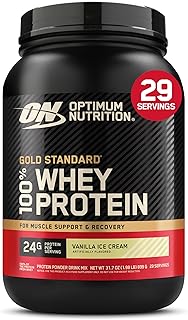
- Price: $44.99
- Rating: 4.7 / 5
- Features: 24g protein, 5.5g BCAAs per serving.
4. Premier Protein Powder (Chocolate Milkshake, 29 servings)

- Price: $25.97
- Rating: 4.6 / 5
- Features: 30g protein, 1g sugar, only 150 calories. Perfect for low-sugar bars.
5. Orgain Organic Vegan Protein Powder (Vanilla Bean, 2.03 lb)

- Price: $31.52
- Rating: 4.5 / 5
- Features: 21g pea+rice protein, 6g prebiotic fiber, no added sugar.
6. Dymatize ISO 100 Whey Protein Powder (Vanilla, 5 lb)

- Price: $108.99
- Rating: 4.7 / 5
- Features: 25g hydro whey isolate, 5.5g BCAAs, gluten-free.
7. Premier Protein Powder (Vanilla Milkshake, 17 servings)

- Price: $31.60
- Rating: 4.6 / 5
- Features: 30g protein, only 1g sugar, whey concentrate blend.
8. Transparent Labs Grass-Fed Whey Protein Isolate (French Vanilla, 30 servings)

- Price: $59.99
- Rating: 4.5 / 5
- Features: 28g grass-fed isolate, no artificial sweeteners, third-party tested.
9. Body Fortress Super Advanced Whey Protein Powder (Vanilla, 3.9 lb)

- Price: $45.28
- Rating: 4.6 / 5
- Features: 30g protein, added vitamins C, D, and zinc for immune support.
10. Six Star Whey Protein Plus (Triple Chocolate, 1.82 lb)

- Price: $24.97
- Rating: 4.5 / 5
- Features: 30g protein, whey isolate + peptides, low price point.
11. Isopure Zero Carb 100% Pure Whey Isolate (Unflavored, 3 lb)

- Price: $89.95
- Rating: 4.4 / 5
- Features: 25g protein, zero carbs, zero fat, ideal for keto.
12. Dymatize Elite 100% Whey Protein (Rich Chocolate, 5 lb)

- Price: $76.18
- Rating: 4.6 / 5
- Features: 25g protein, 5.5g BCAAs, fast absorbing.
13. Orgain Organic Vegan Protein + 50 Superfoods (Vanilla Bean, 2.02 lb)
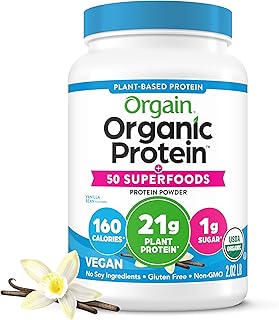
- Price: $34.15
- Rating: 4.6 / 5
- Features: 21g plant protein, 8g prebiotic fiber, 50 superfoods.
14. Dymatize x Fruity Pebbles ISO100 Whey Protein (20 servings)

- Price: $42.48
- Rating: 4.6 / 5
- Features: 25g hydrolyzed isolate, no gluten, great taste.
15. Dymatize Super Mass Gainer (Gourmet Vanilla, 8 servings)

- Price: $39.98
- Rating: 4.5 / 5
- Features: 52g protein, 1280 calories, ideal for mass gain.
16. Levels Grass Fed Whey Protein Powder (Pure Chocolate, 2 lb)

- Price: $44.99
- Rating: 4.5 / 5
- Features: 24g grass-fed undenatured whey, no artificial ingredients.
17. Vital Proteins Collagen Peptides (Unflavored, 9.33 oz)

- Price: $18.65
- Rating: 4.6 / 5
- Features: 10g collagen per serving, great for skin and joint health.
18. NAKED Whey Vanilla Protein Powder (24 servings)

- Price: $44.99
- Rating: 4.1 / 5
- Features: Only 3 ingredients (grass fed whey, vanilla, organic coconut sugar). No GMOs, no soy.
19. Nutricost Whey Protein Concentrate (Chocolate, 5 lb)

- Price: $74.95
- Rating: 4.5 / 5
- Features: 30g protein per serving, third-party tested, clean ingredient profile.
20. Orgain Organic Unflavored Vegan Protein Powder (1.59 lb)

- Price: $26.99
- Rating: 4.3 / 5
- Features: 21g organic pea/brown rice protein, no sugar, unsweetened—perfect for DIY bars.
Final Takeaway
Healthy protein bar ingredients start with a clean protein powder and a short list of whole foods. Avoid hidden sugars, artificial fillers, and inflammatory oils. Whether you buy pre-made Floura Bars or blend your own with Optimum Nutrition Gold Standard powder, the same rules apply: protein first, real food ingredients second, and minimal processing always.
Use this guide as your ingredient cheat sheet every time you reach for a bar. Your body will thank you.