
Great characters don’t just act—they repeat. The small, everyday routines your characters perform tell readers more than any backstory dump ever could. A character who always orders the same coffee, taps their fingers before speaking, or shakes their protein drink after every workout instantly feels real. That’s the power of character habits.
This guide delivers a comprehensive list of habits you can steal for your next story, plus a proven system for using them to deepen personality, trigger conflict, and reveal hidden motives. Whether you’re crafting a disciplined athlete who relies on Optimum Nutrition Gold Standard 100% Whey Protein Powder to fuel their morning or a stressed-out detective who compulsively cracks their knuckles, you’ll walk away with tools that make your characters unforgettable.

Table of Contents
Why Character Habits Are the Secret Weapon of Great Storytelling
Habits are automatic. They happen without thought, so they reveal truth. When a character reaches for a protein bar after every workout or pours their coffee into the same chipped mug, they’re showing you their priorities, their history, and their emotional state—all without a single line of dialogue.
Habits serve three critical functions in fiction:
- Show, don’t tell. Instead of saying “Marcus is disciplined,” show him measuring his Premier Protein Powder scoop to the gram every morning.
- Create subtext. A habit can hide trauma. A character who never eats in public may be covering an eating disorder.
- Drive plot. A broken habit signals change. When the overly tidy protagonist leaves a spoon in the sink, something is wrong.
For more on how to craft layered habits from scratch, explore our deep dive on 100 Habits for Characters: from Morning Routines to Nervous Tics.
The Ultimate List of Character Habits (Categorized for Easy Use)
Below is an exhaustive list of habits organized by domain. Mix and match to build a unique behavioral fingerprint for each character.
Morning & Wake-Up Routines
| Habit | What It Reveals |
|---|---|
| Snoozes alarm three times | Procrastinator, night owl, or avoidant |
| Checks phone before opening eyes | Addicted to validation or anxious about work |
| Drinks water immediately | Health-conscious, disciplined |
| Makes bed right away | Control-oriented, military background |
| Stares at ceiling for five minutes | Contemplative, depressive, or creative |
Example: A CEO who gets up at 4:30 AM, drinks a black coffee, and mixes Orgain Organic Vegan Protein Powder into her smoothie communicates relentless ambition.
Eating & Dietary Habits
- Always eats the same breakfast – Routine lover or picky eater.
- Reads nutrition labels obsessively – Health freak or eating disorder.
- Skips lunch – Overworked or dismissive of self-care.
- Eats standing up – High-strung, always in a hurry.
- Shakes protein drink after every workout – Fitness-focused, disciplined (think Levels Grass Fed Whey Protein Powder in a shaker bottle).
- Hides snacks – Guilty eater or secret rebel.
Nervous Tics & Anxiety-Driven Habits
These are gold for showing inner turmoil without exposition.
- Taps foot under the table – Impatient, anxious.
- Cracks knuckles – Nervous energy, or an old habit from military service.
- Bites nails – Low-level chronic worry.
- Runs hand through hair – Frustration or flirting.
- Checks watch repeatedly – Time anxiety or boredom.
- Adjusts glasses constantly – Self-conscious or insecure.
- Pulls at clothing seams – Social anxiety.
Hygiene & Grooming Routines
| Habit | Character Insight |
|---|---|
| Washes hands five times a day | OCD, medical background, or germophobe |
| Rarely showers | Depression, hobo aesthetic, or minimalist |
| Always applies lip balm | Prepared, or hiding a nervous mouth-touch habit |
| Shaves daily | Traditional, military-type, or vain |
| Never wears makeup | Confident, naturalist, or lazy |
Social & Conversational Habits
- Interrupts – Impatient, dominant, or ADHD.
- Nods while listening – Empathetic, or faking attention.
- Avoids eye contact – Shy, guilty, or neurodivergent.
- Uses sarcasm to deflect – Insecure but wants to seem tough.
- Touches the other person’s arm – Charismatic, low-boundary, or in love.
Work & Productivity Habits
| Habit | What It Says |
|---|---|
| Checks email first thing | Workaholic, people-pleaser |
| Creates daily to-do lists | Organized, goal-oriented |
| Cleans desk before leaving | Control need, tidy mind |
| Leaves coffee mug unwashed for days | Chaotic, burnt out |
| Always carries a notebook | Creative, meticulous |
Physical & Fitness Habits
- Stretches immediately after waking – Athlete or yogi.
- Counts reps in a whisper – Focused, ritualistic.
- Weighs himself every morning – Body-conscious, competitive.
- Mixes a Dymatize ISO 100 shake post-workout – Dedicated fitness enthusiast who optimizes recovery.
- Walks everywhere instead of driving – Environmentalist, frugal, or restless.
For a full A‑to‑Z breakdown of over a hundred habits, don’t miss our guide on Creating Realistic Habits for Your Characters: a Comprehensive List.
How to Use Habits to Develop Your Characters (A Step-by-Step Method)
A random list of habits is useless. You need a system. Use the Habit‑Personality‑Plot model:
Step 1: Anchor the Habit to a Core Trait
Ask: “What deep need or wound does this habit serve?”
- A control freak makes lists.
- A lonely person texts friends constantly.
- A former athlete drinks a Transparent Labs Grass-Fed Whey Protein Isolate shake every afternoon, clinging to their glory days.
Step 2: Give the Habit a History
Where did it come from?
- Did the Marine’s bed‑making habit come from boot camp?
- Did the nail‑biting start when her parents divorced?
Origin stories make habits feel earned.
Step 3: Choose When the Habit Breaks
A habit that shatters under pressure is a plot beat.
- The always‑punctual character arrives late to a critical meeting.
- The clean‑eater binges on junk food after a breakup.
- The gym rat skips their post‑run shake of Isopure Zero Carb Whey Isolate.
When habits break, readers pay attention.
Step 4: Show the Habit, Don’t Explain It
Use action beats, not narrator commentary.
✅ Show: “He twisted the lid off the shaker, scooped two level scoops of powder, and shook it thirty times—always thirty times.”
❌ Tell: “He was very meticulous about his protein shake.”
Step 5: Create Contrast Between Characters
A neat freak rooming with a slob creates automatic conflict. Put a laid‑back surfer who never rinses his blender next to a fitness competitor who cleans her Nutricost Whey Protein Concentrate blender the second she finishes drinking.
Examples of Habits in Literature and Film
| Work | Character | Habit | Insight |
|---|---|---|---|
| Sherlock Holmes | Sherlock | Plays violin at odd hours | Genius needs mental stimulation |
| The Great Gatsby | Gatsby | Throws parties every weekend | Desperate for Daisy’s attention |
| Game of Thrones | Tyrion | Drinks wine while scheming | Uses alcohol to numb pain |
| The Marvelous Mrs. Maisel | Midge | Does stand‑up riffs constantly | Can’t stop performing |
Notice how each habit is also a tell. The reader knows something the other characters don’t.
Expert Tips for Avoiding Cliché Habits
Even unique habits can become stale. Here’s how to keep them fresh:
- Layer opposites. A tough biker who knits. A sweet grandmom who swears.
- Make habits inconvenient. A character who refuses to use elevators (claustrophobia) on the 30th floor.
- Use micro‑habits. Not just “drinks coffee” but “stirs coffee counterclockwise exactly seven times.”
- Connect habits to the theme. In a novel about control, every habit should be a control mechanism.
Recommended Protein Powders for Character Inspiration
Since fitness habits often involve supplements, here are top‑rated protein powders that can anchor a character’s daily routine. Each product below has been selected for quality and variety—perfect for giving a health‑conscious character a believable go‑to.

Optimum Nutrition Gold Standard 100% Whey – Vanilla Ice Cream, 5 lb – $79.99 – ⭐4.7
The gold standard for serious athletes. Your dedicated gym‑rat character probably has a tub of this in their pantry.
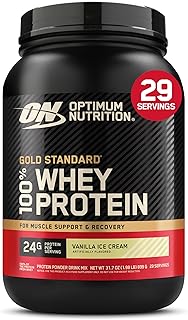
Optimum Nutrition Gold Standard 100% Whey – Vanilla Ice Cream, 2 lb – $44.99 – ⭐4.7
Perfect for a character who travels or has limited space but won’t compromise on quality.

Premier Protein Powder – Chocolate Milkshake, 29 servings – $25.97 – ⭐4.6
Low sugar, high protein. Ideal for the keto‑friendly character who hates artificial sweeteners.

Orgain Organic Vegan Protein Powder – Vanilla Bean, 2.03 lb – $31.52 – ⭐4.5
Plant‑based, no lactose. Use for your vegan, environmentally conscious character who reads every label.

Dymatize ISO 100 – Vanilla, 5 lb – $108.99 – ⭐4.7
Hydrolyzed isolate for maximum absorption. The hyper‑optimized character who tracks macros to the milligram.

Premier Protein Powder – Vanilla Milkshake, 17 servings – $31.60 – ⭐4.6
Quick, easy, and affordable—a realistic choice for a busy college student or working parent.

Transparent Labs Grass‑Fed Whey Protein Isolate – French Vanilla, 30 servings – $59.99 – ⭐4.5
Clean label, no artificials. Your character who obsesses over ingredients would choose this.

Body Fortress Super Advanced Whey – Vanilla, 3.9 lb – $45.28 – ⭐4.6
Budget‑friendly with added vitamins C & D and zinc. Practical for a character who wants immune support on a budget.

Six Star Whey Protein Plus – Triple Chocolate, 1.82 lb – $24.97 – ⭐4.5
Great for beginners or characters just starting their fitness journey.

Isopure Zero Carb – Unflavored, 3 lb – $89.95 – ⭐4.4
Pure protein with no taste—perfect for the character who drinks it for function, not flavor.

Dymatize Elite 100% Whey – Rich Chocolate, 5 lb – $76.18 – ⭐4.6
Solid all‑rounder for a no‑nonsense character who wants results.
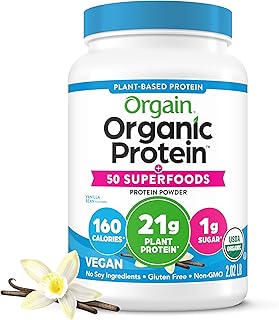
Orgain Organic Protein + 50 Superfoods – Vanilla Bean, 2.02 lb – $34.15 – ⭐4.6
Extra fiber and greens. Your health‑nut character probably adds this to their morning smoothie.

Dymatize x Fruity Pebbles ISO100 – 20 servings – $42.48 – ⭐4.6
Nostalgic, fun flavor. For the character who never grew up but takes fitness seriously.

Dymatize Super Mass Gainer – Gourmet Vanilla, 8 servings – $39.98 – ⭐4.5
528 calories and 52g protein per serving. Your hard‑gainer character who “can’t put on weight” would stock this.

Levels Grass Fed Whey – Pure Chocolate, 2 lb – $44.99 – ⭐4.5
No artificials, grass‑fed. For the purity‑seeking character who reads every ingredient.

Vital Proteins Collagen Peptides – Unflavored, 9.33 oz – $18.65 – ⭐4.6
Not a protein powder per se, but perfect for the beauty‑conscious character who adds it to their coffee for skin and hair.

NAKED Whey Vanilla – 24 servings – $44.99 – ⭐4.1
Only three ingredients: whey, vanilla, coconut sugar. Minimalist characters will approve.

Nutricost Whey Protein Concentrate – Chocolate, 5 lb – $74.95 – ⭐4.5
Value‑pack for the no‑frills character who just wants protein and doesn’t care about branding.

Orgain Organic Unflavored Vegan Protein – 1.59 lb – $26.99 – ⭐4.3
Unsweetened, pure. Ideal for the character who avoids sugar and likes to control the flavor with fruit or milk.
FAQ: Character Habits in Writing
Q: How many habits should I give a single character?
A: Three to five distinguishing habits is enough. Too many and you overwhelm the reader; too few and the character feels flat. Focus on one dominant habit, one secondary, and one that emerges under stress.
Q: Can a habit be too weird or quirky?
A: Yes. Avoid gimmicky habits that scream “look how unique I am.” Instead, root the quirk in the character’s psychology. A habit of counting steps in a character with OCD feels earned; counting steps in a “random” comic relief does not.
Q: How do I show a habit changing over time?
A: Use the habit as a barometer for character growth. If your protagonist stops biting their nails after therapy, that’s a subtle, powerful victory. Mark the change with a small scene reflecting the old habit and then the new one.
Q: Should I reveal every habit right away?
A: No. Introduce habits gradually, like peeling an onion. The first chapter might show the surface habit—she always orders a vanilla latte. The middle reveals why (her mother drank vanilla lattes). The climax shows her breaking the habit (ordering something new). That’s character arc.
Final Thought: Let Habits Do the Heavy Lifting
Readers don’t trust adjectives. They trust actions repeated over time. By giving your characters a personal list of habits—whether it’s tapping a pen, rereading old texts, or blending a Dymatize Elite Whey Protein shake every evening—you turn flat descriptions into living, breathing people.
Start small. Pick one habit for your protagonist today. Show it. Break it. Watch your story come alive.