
Habits shape your entire life. Every morning routine, every snack choice, every hour of sleep either builds you up or chips away at your potential. Changing habits is not about willpower alone. It’s about understanding the mechanics of behavior and using smart strategies to replace what doesn’t serve you with what does.
This guide will walk you through the science of habit formation, give you a clear framework to separate good habits from bad ones, and show you how to make lasting changes. Along the way, we’ll explore how a simple habit like adding protein powder to your daily routine can become a cornerstone of stronger health and better discipline.
Table of Contents
Why Habits Matter More Than Goals
Goals are the destination. Habits are the vehicle that gets you there. You can set ambitious goals, but without the right daily actions, they remain wishes. Research from Duke University suggests that up to 40% of our daily actions are habits, not conscious decisions. That means nearly half your day runs on autopilot.
If you want to change your life, you must change your autopilot. The best part? You can reprogram it. The brain loves patterns. It creates neural pathways to save energy. Once you understand how to build new pathways and weaken old ones, you gain control over your future.
The Habit Loop: Cue → Craving → Response → Reward
Every habit follows this cycle. The cue triggers a craving. The craving motivates a response. The response delivers a reward, which reinforces the loop. To change a habit, you must intervene at one of these points.
- Cue: Something that signals your brain to go into automatic mode.
- Craving: The motivational force behind the habit.
- Response: The actual behavior you perform.
- Reward: The benefit you get, which tells your brain this loop is worth remembering.
For example, if you reach for a sugary snack at 3 PM (response), the cue might be feeling tired or bored. The craving is for an energy boost or distraction. The reward is a quick spike in blood sugar and a moment of pleasure. To change this, you could replace the response with a healthier option—like a protein shake.
Good Habits vs. Bad Habits: How to Tell the Difference
Not all habits are created equal. A good habit moves you toward your long-term values. A bad habit provides short-term relief at the expense of long-term wellbeing. Some habits fall in between—neutral activities that neither help nor harm.
Characteristics of Good Habits
- Align with your values: They support health, relationships, finances, and growth.
- Compound over time: Small daily actions add up to massive results.
- Create positive side effects: Exercise improves sleep, focus, and mood.
- Are sustainable: You can maintain them without burnout.
Characteristics of Bad Habits
- Provide instant gratification: Pleasure now, pain later.
- Conflict with your goals: They undermine what you truly want.
- Lead to regret or guilt: You feel worse after doing them, not better.
- Are hard to stop once started: They often trigger a chain reaction (e.g., one cookie leads to the whole box).
Habits in Between
Some habits are neither good nor bad—they just exist. Checking your phone first thing in the morning might be neutral if you don’t lose time. Watching TV for 30 minutes to unwind can be fine, as long as it doesn’t replace sleep. The key is intention. Ask yourself: Does this habit serve my future self?
For a deeper breakdown of which behaviors to keep and which to drop, read our Complete List of Good and Bad Habits You Need to Know.
The Science of Changing Habits: What Really Works
You cannot simply “stop” a bad habit. The neural pathway still exists; a vacuum is rarely filled with nothing. Instead, you must replace the behavior while keeping the same cue and reward.
The Four Laws of Behavior Change (from James Clear)
1. Make it obvious. Design your environment so the good habit is easy to see. Place your protein powder shaker on the kitchen counter next to your coffee maker. If you want to drink more water, leave a bottle on your desk.
2. Make it attractive. Pair a habit you need with one you want. Listen to your favorite podcast while preparing a healthy meal. Use a flavored protein powder you genuinely enjoy.
3. Make it easy. Reduce friction. Pre-portion your snacks. Sleep in your workout clothes. Choose a protein powder that mixes instantly—no blender required.
4. Make it satisfying. Give yourself an immediate reward after the habit. Track your progress on a calendar. Feel the satisfaction of completing a task.
Breaking Bad Habits: The Inversion
To break a bad habit, invert the laws:
- Make it invisible: Hide the junk food in the back of the pantry or don’t buy it.
- Make it unattractive: Focus on the long-term harm rather than the short-term pleasure.
- Make it difficult: Increase the steps required to do the bad habit. For example, delete delivery apps from your phone.
- Make it unsatisfying: Create accountability. Tell a friend you’ll pay them $5 if you skip your workout.
How to Identify Good vs. Bad Habits in Your Daily Life
You might think you already know which habits are good and which are bad. But many habits hide in plain sight. A seemingly productive habit like checking email first thing can actually spike cortisol and derail your focus for the day.
To truly identify your habits, do a habit audit for one week. Write down everything you do from waking up to going to bed. Then ask three questions for each action:
- Does this action move me closer to my long-term goals?
- How do I feel immediately after doing it?
- How do I feel one hour later?
The honest answers will reveal which habits need attention. For example, scrolling social media might feel relaxing in the moment, but an hour later you feel drained and behind on work.
Learn more with our practical tool: How to Identify Good vs. Bad Habits in Your Daily Life?.
The Role of Nutrition: Why Protein Powder Can Be a Game-Changer Habit
Nutrition is the foundation of energy, focus, and mood. Yet most people struggle to eat enough protein, especially in the mornings. Adding a high-quality protein powder to your daily routine is a small habit with massive returns.
Here’s why it qualifies as a good habit:
- Cue: A consistent time (post-workout, breakfast, or afternoon slump).
- Craving: You want to feel full, energized, and in control.
- Response: Mix a scoop of protein powder with water, milk, or in a smoothie.
- Reward: Stable blood sugar, reduced cravings, muscle recovery, and a sense of accomplishment.
Protein powder also acts as a keystone habit—one positive change that triggers other good habits. When you start your day with a protein shake, you’re more likely to make better food choices, stay hydrated, and even exercise.
How to Choose the Right Protein Powder
With dozens of options on the market, focus on what fits your goals:
- Whey protein is fast-absorbing and ideal post-workout.
- Plant-based protein is great for vegans or those with lactose intolerance.
- Collagen peptides benefit skin, hair, and joints.
- Mass gainers provide extra calories for muscle building.
Below are some of the best-selling, top-rated protein powders to consider adding to your habit stack.
Top Protein Powders to Support Your New Habit
These products have earned high ratings and customer trust. Adding one to your routine is a simple, effective healthy habit.

Optimum Nutrition Gold Standard 100% Whey, Double Rich Chocolate, 1.98 lb – $44.99 – Rating: 4.6
A classic choice with 24g of protein per scoop. Mixes easily and tastes great. Perfect for beginners.

Optimum Nutrition Gold Standard 100% Whey, Vanilla Ice Cream, 5 lb – $79.99 – Rating: 4.7
The bigger value size for committed users. Vanilla flavor blends into smoothies effortlessly.

Premier Protein Powder, Chocolate Milkshake, 29 servings – $25.97 – Rating: 4.6
30g of protein with only 1g sugar. Keto-friendly and gluten-free. A great option for those watching carbs.

Orgain Organic Vegan Protein Powder, Vanilla Bean, 2.03 lb – $31.52 – Rating: 4.5
Plant-based with 21g protein and 6g prebiotic fiber. No lactose or added sugar.

Dymatize ISO 100 Whey Protein Powder, Vanilla, 5 lb – $108.99 – Rating: 4.7
Hydrolyzed whey isolate for fast absorption. 25g of pure protein. Ideal for serious athletes.

Premier Protein Powder, Vanilla Milkshake, 17 servings – $31.60 – Rating: 4.6
Same great formula as the chocolate version. No soy, gluten-free, and low sugar.
For a complete list of top-rated options, explore our recommended protein powders later in this article.
Practical Steps to Change Any Habit
Now that you understand the framework, here is a step-by-step system you can use to replace a bad habit with a good one. We’ll use the example of replacing an afternoon soda habit with a protein shake.
Step 1: Identify the cue.
When do you crave the soda? Is it around 3 PM? Are you feeling low energy? Write down the specific time, location, and emotional state.
Step 2: Define the reward you’re seeking.
Do you want a sugar rush? A break from work? The fizzy sensation? Experiment with different responses to find the real craving. Try drinking sparkling water, taking a five-minute walk, or making a protein shake. See which one satisfies the same need.
Step 3: Create an implementation intention.
Use the formula: When [cue], I will [new response] to get [reward].
Example: “When I feel the afternoon slump at 3 PM, I will mix a scoop of chocolate protein powder with cold water and drink it slowly to feel re-energized.”
Step 4: Optimize your environment.
Put the protein powder and shaker on your desk. Pre-portion a scoop in a small container. Make it easier to do the new habit than the old one.
Step 5: Track and celebrate.
After completing the new habit, immediately acknowledge it. Say to yourself, “I just made a good choice.” Use a habit tracker app or a simple calendar checkmark.
Common Obstacles and How to Overcome Them
Even with the best plan, obstacles will appear. Here’s how to handle the most frequent ones.
“I keep forgetting to do the new habit.”
Solution: Stack it with an existing habit. For example, “After I brush my teeth in the morning, I will prepare my protein shake.” This uses a strong existing cue.
“I don’t have time.”
Solution: Choose a habit that takes less than two minutes. A protein shake takes 60 seconds. You can also prep multiple shakes in advance.
“I slip up and go back to the old habit.”
Solution: Don’t break the chain. One mistake does not erase progress. The key is to get back on track immediately. Missing one day is a slip; missing two days is a trend.
“I don’t like the taste of protein powder.”
Solution: Try different flavors and brands. Many premium powders, like those from Transparent Labs or Dymatize, come in delicious natural flavors. You can also blend them with banana or berries.
The Power of Identity-Based Habits
The most lasting changes happen when you shift your identity. Instead of saying “I’m trying to drink protein shakes,” say “I am the kind of person who prioritizes protein.” Every time you choose the shake, you reinforce that identity.
This applies to all habits. If you want to stop procrastinating, see yourself as a person who takes action. If you want to be healthier, see yourself as someone who nourishes their body. Identity drives behavior, not the other way around.
The Complete List of Good, Bad, and In-Between Habits
Here’s a quick reference table to help you evaluate your daily routines.
| Good Habits | Bad Habits | In-Between Habits |
|---|---|---|
| Drinking protein powder after workouts | Eating fast food multiple times a week | Watching one episode of TV after dinner |
| Sleeping 7–9 hours per night | Scrolling social media in bed | Checking email once at night |
| Reading 20 minutes daily | Smoking or vaping | Playing video games for an hour on weekends |
| Tracking your food intake | Skipping breakfast | Having a single cup of coffee in the morning |
| Exercising four times a week | Drinking soda with every meal | Listening to music while working |
Use this table as a starting point for your own habit audit.
The Best Protein Powders to Build Your New Habit (Extended List)
Here are additional top-rated options to consider. All have exceptional reviews and are trusted by thousands of users.

Transparent Labs Grass-Fed Whey Protein Isolate, French Vanilla, 30 servings – $59.99 – Rating: 4.5
100% grass-fed whey isolate with no artificial sweeteners. 28g protein per serving. Clean label.

Body Fortress Super Advanced Whey, Vanilla, 3.9 lb – $45.28 – Rating: 4.6
Contains immune-supporting vitamins C, D, and zinc. Great value for muscle recovery.

Six Star Whey Protein Powder Plus, Triple Chocolate, 1.82 lb – $24.97 – Rating: 4.5
Affordable blend of whey isolate and peptides. 30g protein per serving. Budget-friendly.

Isopure Zero Carb 100% Whey Isolate, Unflavored, 3 lb – $89.95 – Rating: 4.4
Zero carbs and fat. Unflavored so you can add it to anything. 25g protein per serving.

Dymatize Elite 100% Whey, Rich Chocolate, 5 lb – $76.18 – Rating: 4.6
25g protein, 5.5g BCAAs. Quick absorbing. Excellent for daily use.
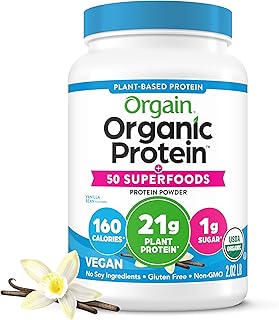
Orgain Organic Vegan Protein + 50 Superfoods, Vanilla Bean, 2.02 lb – $34.15 – Rating: 4.6
21g plant protein plus 8g prebiotic fiber. Packed with superfoods. No added sugar.

Dymatize ISO100 Fruity Pebbles, 20 servings – $42.48 – Rating: 4.6
Fun flavor without the sugar. 25g protein, 120 calories. Hydrolyzed for fast digestion.

Dymatize Super Mass Gainer, Gourmet Vanilla, 8 servings – $39.98 – Rating: 4.5
For those needing extra calories: 52g protein, 1g creatine, 1280 calories per serving.

Levels Grass Fed Whey, Pure Chocolate, 2 lb – $44.99 – Rating: 4.5
No artificial ingredients. 24g protein from grass-fed cows. Undenatured whey.

Vital Proteins Collagen Peptides, Unflavored, 9.33 oz – $18.65 – Rating: 4.6
Supports skin, hair, nails, and joints. Dissolves in hot or cold liquids. Great add-in to any shake.

NAKED Whey Vanilla, 24 servings – $44.99 – Rating: 4.1
Only three ingredients: grass-fed whey, vanilla flavor, and organic coconut sugar. No GMOs.

Nutricost Whey Protein Concentrate, Chocolate, 5 lb – $74.95 – Rating: 4.5
Simple, affordable whey concentrate. 25g protein per serving. Third-party tested.

Orgain Organic Unflavored Vegan Protein, 1.59 lb – $26.99 – Rating: 4.3
Unsweetened and unflavored. 21g plant protein. Perfect for adding to savory dishes or smoothies.
Frequently Asked Questions About Changing Habits
How long does it take to form a new habit?
The famous “21 days” is a myth. Research from University College London shows it takes an average of 66 days for a new behavior to become automatic. Simple habits (like drinking a glass of water) can form in as few as 18 days, while complex ones (like exercising) may take up to 254 days.
What if I miss a day? Should I start over?
No. Missing one day does not erase progress. The key is to never miss two days in a row. One slip is a mistake; two is the start of a new (bad) habit.
Can I change multiple habits at once?
It’s possible but risky. Focus on one keystone habit first—like adding a protein shake each morning. Once that becomes automatic, the momentum will make other changes easier.
Why do bad habits feel so natural?
Bad habits usually provide immediate rewards. Your brain prioritizes short-term pleasure over long-term wellbeing. That’s why you need to make the good habit more immediately satisfying—by celebrating small wins or pairing it with something you enjoy.
Is it better to quit a bad habit cold turkey or gradually?
There is no one-size-fits-all. For addictive habits like smoking, cold turkey works for some, while gradual reduction works for others. For non-addictive habits (e.g., procrastination), gradual replacement is often more sustainable.
Final Thoughts
Changing your habits is one of the most powerful investments you can make. You don’t need to overhaul your entire life overnight. Start with one small, good habit. A protein shake after your morning coffee. A five-minute walk after lunch. A single glass of water before every meal.
Each good habit is a vote for the person you want to become. Every time you choose protein over processed sugar, you cast a vote for health. Every time you read instead of scroll, you cast a vote for focus.
The list of good and bad habits is long, but the path to change is simple: know your loops, design your environment, and take the first step today.
Remember, you are not your habits. You are the architect of them. Build wisely.