
Addiction is not a moral failing. It is a brain disorder that hijacks your reward system, rewires your neural pathways, and keeps you stuck in loops you desperately want to escape. Whether you are battling substance abuse, compulsive eating, or a stubborn digital habit, understanding the psychology behind addiction is the first step toward freedom.
Every addictive behavior shares the same core mechanism: a trigger leads to a routine, which delivers a reward your brain craves. The good news is that this cycle can be interrupted. With the right strategies and supportive tools like high-quality protein powder, you can rewire your brain and build a life free from dependency.
Table of Contents
What Happens in the Brain During Addiction?
To break the cycle, you need to see how addiction works on a biological level. The brain’s reward center, primarily the nucleus accumbens, releases dopamine when you experience something pleasurable. Over time, addictive substances or behaviors flood this system with unnatural levels of dopamine.
Your brain adapts by reducing its own dopamine production or decreasing receptor sensitivity. This means you need more of the substance or behavior to get the same effect — a phenomenon called tolerance. Meanwhile, the prefrontal cortex, responsible for impulse control and decision-making, becomes impaired. You know the behavior is harmful, yet you cannot stop.
The Habit Loop: Cue, Routine, Reward
Charles Duhigg’s habit loop framework explains how addictions become automatic. Every addiction follows this pattern:
- Cue: A trigger (stress, boredom, a specific time of day)
- Routine: The addictive behavior (drinking, gambling, overeating)
- Reward: The pleasurable feeling (relaxation, excitement, relief)
If you want to break the cycle, you must identify your cues and change the routine while keeping the reward. This is where replacement habits come in — swapping a destructive behavior for a healthier one that still satisfies the same craving.
Why Willpower Alone Fails
Relying on willpower is a setup for relapse. The brain’s energy reserves are limited, and decision fatigue eventually wins. Addiction research shows that environmental design, social support, and nutritional balance are far more effective than sheer determination.
For instance, stabilizing blood sugar through adequate protein intake can reduce cravings and improve mood regulation. Adding a high-quality Orgain Organic Vegan Protein Powder to your morning smoothie provides steady energy and helps prevent the low-blood-sugar spikes that trigger impulse behavior.
The Psychological Drivers of Addiction
Beyond brain chemistry, several psychological factors fuel addiction. Recognizing these in yourself or someone you love is critical.
Emotional Pain and Escape
Many people use addictive behaviors to numb uncomfortable emotions — anxiety, loneliness, shame, or past trauma. The behavior provides temporary relief, but the underlying pain remains. This creates a vicious cycle: you feel bad, you use, you feel worse about using, so you use more.
Low Self-Efficacy and Learned Helplessness
When you have tried and failed to quit multiple times, you start believing you are incapable of change. This belief becomes a self-fulfilling prophecy. Breaking that belief requires small, repeatable wins — giving yourself proof that you can succeed.
Social and Environmental Triggers
Your environment often dictates your behavior more than your intentions. If you keep alcohol in the house, your cue is constant. If your friends all smoke, the social pressure is immense. To break addiction, you must reshape your surroundings.
How to Break the Addiction Cycle: Proven Strategies
You cannot simply stop an addiction; you must replace it. Here are evidence-based methods to rewire your brain and behavior.
1. Identify Your Cues and Create Friction
Start a journal for one week. Every time you feel the urge to engage in your addictive behavior, write down:
- Time of day
- Your emotional state
- Who you are with
- What you were doing just before
Then, modify the environment to make the routine harder. For example, if you snack uncontrollably at night, keep trigger foods out of the house. If you smoke after meals, immediately go for a walk instead.
2. Use the “Replace, Don’t Erase” Method
This is one of the most effective strategies for long-term change. Instead of trying to eliminate the reward, find a healthier routine that delivers a similar payoff. If you crave the relaxation of a drink after work, replace it with:
- A 10-minute meditation
- A quick stretching session
- A smoothie made with Premier Protein Powder, Vanilla Milkshake — the protein satisfies your need for something creamy and comforting without the alcohol.
For a deeper dive into this technique, read our guide on Replace, Don't Erase: Effective Strategies to Quit Bad Habits.
3. Practice Habit Stacking
Link a new healthy behavior to an existing habit. For example:
- After brushing your teeth (existing habit), do 5 minutes of deep breathing (new habit)
- After pouring your morning coffee, mix a scoop of Optimum Nutrition Gold Standard Whey Protein into a shaker bottle
This method relies on the automaticity of your existing routine and reduces the cognitive load of starting something new.
Learn more about the science of loops in How to Stop Bad Habits Using the Habit Loop Method?.
4. Address Nutritional Deficiencies
Addiction often depletes essential nutrients — especially amino acids like glutamine and tyrosine, which are needed for dopamine production. Protein powder provides a concentrated source of these building blocks, helping your brain repair its chemistry.
Protein helps in three key ways:
- Stabilizes blood sugar — reduces cravings for sugar and carbs
- Supports neurotransmitter synthesis — improves mood and focus
- Promotes satiety — prevents the hunger that triggers overeating
Choosing the right protein is critical. If you are lactose intolerant, try Orgain Organic Vegan Protein Powder. For a clean, low-carb option, Isopure Zero Carb Whey Isolate provides 25g of protein with zero sugar.
5. Build a Supportive Environment
Tell trusted people about your goal. Remove temptations from your home. Use apps to block social media or gambling sites. Create visual reminders of your “why” — a photo of your family, a note about your health goals.
6. Embrace Relapse as Data, Not Failure
Relapse is part of recovery. Instead of shame, ask: What triggered this? What can I do differently next time? Each relapse teaches you something valuable. Keep moving forward.
The Role of Protein Powder in Addiction Recovery
You might wonder why protein powder belongs in an article about addiction. The connection is both biological and behavioral.
Biological Support
Addiction disrupts the gut-brain axis. Alcohol, drugs, and poor diet kill beneficial gut bacteria and increase inflammation, which worsens mood and cravings. High-quality protein powder supports gut healing and provides amino acids needed for neurotransmitter production.
- Whey protein contains alpha-lactalbumin, which increases serotonin levels and promotes calmness.
- Plant-based proteins like pea and hemp offer fiber that feeds good gut bacteria.
Behavioral Replacement
Preparing a protein shake takes 60 seconds. It can become your new “ritual” — a healthy routine that replaces the old addictive one. The act of shaking, pouring, and drinking satisfies the sensory need for a reward.
Consider this: Instead of reaching for a cigarette or a sugary snack when stressed, you reach for a scoop of Transparent Labs Grass-Fed Whey Protein Isolate. Within minutes, your blood sugar stabilizes, your brain gets a hit of dopamine from the flavor, and you feel accomplished.
Practical Step-by-Step: Breaking Your Addiction Cycle
Follow this roadmap to create lasting change.
| Phase | Action | Timeframe |
|---|---|---|
| Awareness | Track your cues and behaviors | 1–3 days |
| Replacement | Choose a healthy alternative (e.g., protein shake, walk, breathing) | 1 week |
| Environment redesign | Remove triggers, add friction | 1–2 weeks |
| Support | Tell a friend, join a group | Ongoing |
| Nutrition | Add quality protein to meals | Immediate start |
Amazon Products to Support Your Journey
The following protein powders are excellent tools for replacing addictive habits, stabilizing energy, and supporting brain health during recovery.

Optimum Nutrition Gold Standard 100% Whey Protein, Double Rich Chocolate – $44.99 – Rated 4.6/5

Optimum Nutrition Gold Standard 100% Whey, Vanilla Ice Cream, 5 lb – $79.99 – Rated 4.7/5
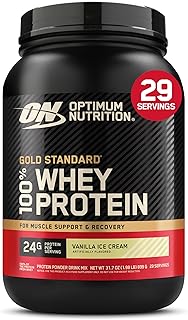
Optimum Nutrition Gold Standard 100% Whey, Vanilla Ice Cream, 2 lb – $44.99 – Rated 4.7/5

Premier Protein Powder, Chocolate Milkshake – $25.97 – Rated 4.6/5

Orgain Organic Vegan Protein Powder, Vanilla Bean – $31.52 – Rated 4.5/5

Dymatize ISO 100 Whey Protein, Vanilla, 5 lb – $108.99 – Rated 4.7/5

Premier Protein Powder, Vanilla Milkshake – $31.60 – Rated 4.6/5

Transparent Labs Grass-Fed Whey Isolate, French Vanilla – $59.99 – Rated 4.5/5

Body Fortress Super Advanced Whey, Vanilla – $45.28 – Rated 4.6/5

Six Star Whey Protein Plus, Triple Chocolate – $24.97 – Rated 4.5/5

Isopure Zero Carb Whey Isolate, Unflavored, 3 lb – $89.95 – Rated 4.4/5

Dymatize Elite 100% Whey, Rich Chocolate, 5 lb – $76.18 – Rated 4.6/5
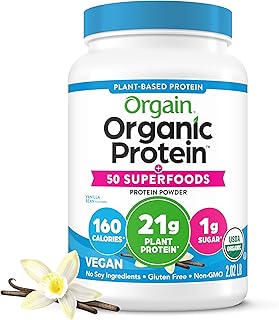
Orgain Organic Protein + Superfoods, Vanilla Bean – $34.15 – Rated 4.6/5

Dymatize ISO100 Fruity Pebbles – $42.48 – Rated 4.6/5

Dymatize Super Mass Gainer, Vanilla – $39.98 – Rated 4.5/5

Levels Grass Fed Whey, Chocolate, 2 lb – $44.99 – Rated 4.5/5

Vital Proteins Collagen Peptides, Unflavored – $18.65 – Rated 4.6/5

NAKED Whey Vanilla Protein – $44.99 – Rated 4.1/5

Nutricost Whey Protein Concentrate, Chocolate, 5 lb – $74.95 – Rated 4.5/5

Orgain Organic Unflavored Vegan Protein – $26.99 – Rated 4.3/5
Frequently Asked Questions
What is the most important psychological factor in breaking addiction?
The most critical factor is self-efficacy — the belief that you can change. Building this requires small, consistent wins. Start with one replacement habit, and compound your success.
Can protein powder really help with addiction cravings?
Yes. Protein stabilizes blood sugar, reduces hunger, and provides amino acids that support dopamine and serotonin production. Many people find that a protein shake effectively replaces the ritual and reward of an addictive behavior.
How long does it take to break an addiction?
There is no fixed timeline. The brain begins forming new neural pathways within 21–66 days of consistent replacement behavior. However, recovery is a lifelong process of maintenance.
What if I relapse?
Relapse is common. Analyze what triggered it, adjust your environment, and recommit. Never shame yourself — shame reinforces the addiction loop.
Should I use whey or plant-based protein?
Choose based on your dietary needs. Whey is quickly absorbed and contains high leucine. Plant-based proteins offer fiber and are better for those with lactose intolerance. Both work well as part of a recovery diet.
Your journey out of addiction is not about perfection — it is about progress. Every time you choose a healthy alternative, every time you pick up a protein shaker instead of the old habit, you strengthen a new neural pathway. The psychology behind addiction is powerful, but with understanding, strategy, and the right nutritional support, you can break the cycle for good.