
The debate between whey and plant-based protein is one of the most polarizing in fitness nutrition. Both can help you build muscle, recover faster, and crush your daily protein goals. But they aren't created equal, and the best choice for you comes down to your digestion, lifestyle, and ambition.
Whether you're a hardened lifter or someone just starting their wellness journey, choosing the right powder can make or break your consistency. We've analyzed top contenders like the industry-standard Optimum Nutrition Gold Standard 100% Whey Protein Powder and the market-leading Orgain Organic Vegan Protein Powder to give you the real facts.
Let's cut through the marketing hype and look at the data, the pros, the cons, and the best products on the market today. If you're still figuring out the basics, our Beginner's Guide to Choosing Protein Powder is a great place to start.
Table of Contents
Understanding the Core Differences: Whey vs. Plant-Based
Before diving into the pros and cons, you need to understand where these proteins come from and how your body processes them. The source fundamentally changes the bioavailability, digestion speed, and amino acid profile.
What is Whey Protein?
Whey is a complete protein derived from milk. It is a byproduct of cheese production. Once the milk curdles, whey is the liquid left behind, which is then filtered and processed into powder.
It is naturally rich in branched-chain amino acids (BCAAs), particularly leucine, which is the primary trigger for muscle protein synthesis. Whey digests very quickly, making it a favorite for post-workout nutrition.
What is Plant-Based Protein?
Plant-based protein is sourced from a variety of plants, including peas, brown rice, soy, hemp, and chia seeds. Because most single-plant sources are incomplete proteins, high-quality plant powders usually combine two or more sources to create a full amino acid profile.
These powders are naturally vegan, lactose-free, and often contain additional fiber and micronutrients. They generally digest slower than whey, which can provide a steadier stream of amino acids to your muscles over several hours.
The Pros and Cons of Whey Protein
Whey has been the gold standard in bodybuilding for decades for a reason. It works, it tastes great, and it is incredibly convenient. But it isn't perfect for everyone.
The Advantages of Whey
- Superior Amino Acid Profile: Whey naturally contains all nine essential amino acids with a high concentration of BCAAs. It scores extremely high on the PDCAAS (Protein Digestibility Corrected Amino Acid Score).
- Rapid Absorption: Whey is a fast-digesting protein. This makes it ideal for the "anabolic window" immediately after training when your muscles are screaming for nutrients.
- Unmatched Taste and Mixability: Let's be honest — whey protein generally tastes better and has a smoother, creamier texture than plant-based alternatives. It mixes easily in a shaker bottle without getting clumpy or gritty.
- Proven Results: Decades of research support whey protein's ability to enhance muscle growth, improve recovery, and support weight management.
The Disadvantages of Whey
- Lactose Intolerance: If you are sensitive to dairy, whey concentrate can cause severe bloating, gas, and digestive distress. Whey isolate has less lactose, but it isn't always enough for those with severe intolerance.
- Potential for Bloating: Even without full-blown lactose intolerance, many people experience water retention and puffiness from whey.
- Not Vegan: Whey is an animal product. It doesn't fit into a vegan or strictly plant-based lifestyle.
- Sustainability Concerns: Dairy farming has a higher environmental footprint regarding land use and greenhouse gas emissions compared to most plant sources.
The Pros and Cons of Plant-Based Protein
Plant-based protein has exploded in popularity over the last decade. It is no longer just a niche option for vegans. It has become a mainstream powerhouse that is winning over athletes of all kinds.
The Advantages of Plant-Based
- Vegan and Lactose-Free: This is the biggest win for plant protein. It is 100% dairy-free, making it perfect for anyone with lactose intolerance or a vegan lifestyle.
- Digestive Comfort: Many plant proteins contain digestive enzymes and fiber. This often leads to less bloating and a flatter stomach compared to whey.
- Cleaner Ingredient Labels: Premium plant proteins tend to have shorter, more natural ingredient lists. They also often contain probiotics or prebiotic fiber (like the Orgain Organic Vegan Protein + 50 Superfoods).
- Environmental Impact: Choosing plant-based is a more sustainable choice for the planet. It requires significantly less water and land to produce.
The Disadvantages of Plant-Based
- Incomplete Profiles: Rice protein is low in lysine. Pea protein is low in methionine. You need a blend to get a complete profile, which not all brands provide.
- Lower Leucine Content: To maximize muscle protein synthesis, you need roughly 2-3g of leucine per serving. Plant proteins often require larger doses to match the leucine content of whey.
- Texture and Taste: Many plant proteins are notoriously chalky or gritty. They can have a strong "beany" or earthy flavor that some people dislike.
- Higher Cost per Gram: High-quality plant protein blends often cost more per serving than standard whey concentrate.
Head-to-Head Comparison: Whey vs. Plant-Based
To help you decide faster, here is a direct comparison of the key metrics you should care about.
| Feature | Whey Protein | Plant-Based Protein |
|---|---|---|
| Source | Milk (Dairy) | Peas, Rice, Soy, Hemp, Chia |
| Amino Profile | Complete (High BCAA/Leucine) | Often incomplete; blends fix this |
| Digestion Speed | Fast (30-60 min) | Moderate to Slow (2-4 hours) |
| Lactose | High (Concentrate) / Low (Isolate) | None |
| Calories (per 30g scoop) | ~100-130 | ~90-150 |
| Protein per Scoop | ~24-30g | ~20-25g |
| Best For | Post-workout recovery, bulking | Daily nutrition, vegans, sensitive stomachs |
| Cost per Serving | $0.80 – $1.50 | $1.00 – $2.00 |
How to Choose the Right Protein Powder for Your Goals
Your personal goals are the ultimate deciding factor. Don't just buy what your gym buddy uses. Buy what works for your body and your schedule.
For Muscle Gain and Bulking
Winner: Whey Protein
If your primary goal is packing on lean mass as fast as possible, whey has the edge. The higher leucine content and rapid absorption create a strong anabolic stimulus post-workout.
Look for a hydrolyzed whey isolate like Dymatize ISO 100 Whey Protein Powder. It digests lightning fast for peak recovery.
For Weight Loss and Satiety
Winner: Plant-Based Protein
This might surprise you, but plant-based often wins for fat loss. The extra fiber and slower digestion keep you feeling full for hours. This can stop you from snacking between meals.
Pair a high-quality plant protein with a calorie deficit for best results. Check out our detailed guides on Protein Powder for Weight Loss: What You Need to Know and our Best Protein Powder for Weight Loss: Top Picks for Shedding Pounds.
For Digestive Sensitivity
Winner: Plant-Based Protein
If you consistently feel bloated or gassy after drinking whey, your body is trying to tell you something. Switch to a plant-based blend.
You can also try a lactose-free whey isolate, but plant-based is the safer bet for a flat stomach and happy gut. The Orgain Organic Unflavored Vegan Protein Powder is a great clean option.
For Overall Health and Longevity
Winner: Tie
Both can be part of a healthy diet. Whey is excellent for immune support due to its glutathione-boosting properties. Plant-based is excellent for gut health due to its fiber and antioxidants.
Your choice here should reflect your broader dietary preferences. For a deeper dive into this debate, read our full comparison: Whey vs Plant-based Protein Powder: Which Is Right for You?.
Top-Rated Protein Powders on the Market
We've scoured the market to bring you the absolute best options in 2025. These are the products that consistently deliver on taste, ingredient quality, and results. Based on the provided data, here are the top performers you can buy right now.
Best Whey Protein Powders
1. Optimum Nutrition Gold Standard 100% Whey
This is the undisputed king of protein. It blends whey isolate, concentrate, and peptides for a perfect balance of price, taste, and performance.

- Price: $44.99 (1.98lb)
- Rating: 4.6 ⭐ (Thousands of reviews)
- Best For: All-around daily use.
2. Dymatize ISO 100 Whey Protein Isolate
If you want the absolute highest quality whey with zero fat and sugar, this is it. It is hydrolyzed for insane mixability and speed.

- Price: $108.99 (5lb)
- Rating: 4.7 ⭐
- Best For: Post-workout recovery and lean bulking.
3. Premier Protein Powder
A budget-friendly champ that packs 30g of protein with just 1g of sugar. It is a fantastic value for daily protein increases.

- Price: $25.97 (29 servings)
- Rating: 4.6 ⭐
- Best For: Budget-friendly weight management.
4. Dymatize Elite 100% Whey
A slightly more affordable version of the ISO 100, but still packed with 25g of protein and 5.5g of BCAAs.

- Price: $76.18 (5lb)
- Rating: 4.6 ⭐
- Best For: High volume, value-focused lifters.
5. Body Fortress Super Advanced Whey
A solid, no-frills option that also provides immune-supporting vitamins C, D, and Zinc.

- Price: $45.28 (3.9lb)
- Rating: 4.6 ⭐
- Best For: Immune support and general wellness.
Best Plant-Based Protein Powders
1. Orgain Organic Vegan Protein Powder
The #1 plant-based protein for a reason. It has 21g of organic plant protein, 6g of prebiotic fiber, and zero added sugar. It tastes amazing for a plant powder.

- Price: $31.52 (2.03lb)
- Rating: 4.5 ⭐
- Best For: Vegans, sensitive stomachs, and all-day nutrition.
2. Orgain Organic Protein + 50 Superfoods
This takes the standard Orgain formula and supercharges it with organic greens, fruits, and veggies. It is a nutritional powerhouse.
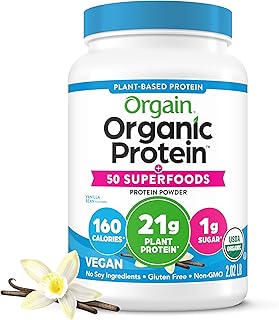
- Price: $34.15 (2.02lb)
- Rating: 4.6 ⭐
- Best For: Maximizing nutrient density.
3. Transparent Labs Grass-Fed Whey Isolate
While technically whey, Transparent Labs deserves a special mention for being grass-fed, naturally flavored, and completely transparent with their testing. It is a premium hybrid choice.

- Price: $59.99 (30 servings)
- Rating: 4.5 ⭐
- Best For: Those seeking the highest quality ingredients.
4. Orgain Organic Unflavored Vegan Protein
Perfect for baking or adding to savory dishes. It has no flavor, no sugar, and just 21g of clean plant protein.

- Price: $26.99 (1.59lb)
- Rating: 4.3 ⭐
- Best For: Baking and cooking. Check out our 5 Delicious Ways to Bake with Protein Powder for Healthy Treats.
Other Standout Contenders
| Product | Type | Price | Rating |
|---|---|---|---|
| Six Star Whey Protein Plus, Triple Chocolate | Whey | $24.97 | 4.5 |
| Isopure Zero Carb Whey Isolate, Unflavored | Whey | $89.95 | 4.4 |
| Levels Grass Fed Whey, Pure Chocolate | Whey | $44.99 | 4.5 |
| Nutricost Whey Protein Concentrate, Chocolate | Whey | $74.95 | 4.5 |
| Vital Proteins Collagen Peptides | Collagen | $18.65 | 4.6 |
Frequently Asked Questions (FAQ)
Which is better for weight loss, whey or plant-based?
Both are effective for weight loss, but plant-based protein often has an edge due to its higher fiber content, which increases satiety. Whey is lower in calories per gram of protein, making it easier to fit into a strict calorie deficit.
Can I build muscle with plant-based protein alone?
Absolutely. While whey has a faster absorption rate, a high-quality plant-based blend containing pea and rice protein provides enough leucine to stimulate muscle protein synthesis. You just need to consume slightly more volume than you would with whey.
Is whey protein inflammatory?
No. In healthy individuals, whey is actually anti-inflammatory due to its ability to boost glutathione levels. However, if you have a dairy allergy or lactose intolerance, whey can cause an inflammatory response in your gut, leading to bloating and discomfort.
What are the side effects of plant-based protein?
The most common side effects are mild bloating or gas from the fiber content. Some people dislike the grittier texture. High-quality brands like Orgain use digestive enzymes to minimize these issues. Heavy metal contamination is a concern in some cheap plant proteins, so always buy from reputable brands.
What is the best protein powder for beginners?
If you have no digestive issues, the Optimum Nutrition Gold Standard is the safest bet for taste and results. If you are lactose sensitive, go with Orgain Organic Vegan Protein.
The Bottom Line: Which One Should You Choose?
You didn't come this far to only come this far. The choice between whey and plant-based protein is not about which one is "objectively" better. It is about which one you can take consistently without bloating, guilt, or excuses.
Choose Whey Protein if: You prioritize rapid post-workout recovery, prefer a creamy texture, and tolerate dairy well.
Choose Plant-Based Protein if: You are vegan, lactose intolerant, or want a cleaner protein that keeps you fuller for longer with extra fiber and nutrients.
At Success Guardian, our mission is to help you build a stronger body and sharper mindset. The best protein powder is the one that fuels your ambition without slowing you down.
Now, go refuel and crush your next workout.