
Building a new habit — like drinking a protein shake every morning — starts with intention. But intention alone rarely lasts. That’s why millions turn to habit tracker apps to stay on course. The question is: does a free habit tracker app deliver everything you need, or are you just setting yourself up for a streak of abandoned goals?
The answer isn’t simple. Free apps can be surprisingly effective for simple routines, but they often lack the depth needed for complex behavior change. And when your habit involves something as specific as hitting your daily protein target with a quality powder, the right tracking tool makes all the difference.
Let’s dive into the pros and cons of free habit tracker apps, when they work, when they don’t, and how to decide what’s right for your personal growth journey.
Table of Contents
What Makes a Habit Tracker App “Enough”?
Before weighing free vs. paid, you need a clear picture of what “enough” means for you. Habit tracking serves three core functions:
- Reminder: Alerts you to perform the action at the right time.
- Record: Logs whether you did it.
- Reinforcement: Shows progress to keep you motivated.
A free app that nails these three may be perfectly sufficient. But if you need advanced analytics, habit stacking, or integration with other health data, free versions often fall short.
The Pros of Free Habit Tracker Apps
1. Zero Financial Barrier
Free apps remove cost as an excuse. You can download five different apps, test them for a week, and keep the one that clicks — no risk. This is especially valuable when you’re just starting and aren’t sure what features you actually need.
For example, many people begin tracking their daily protein intake using a free app like Habitica or Loop Habit Tracker. They simply log “drink protein shake” each morning. That’s often enough to build the habit within 21–30 days.
2. Simplicity and Focus
Paid apps sometimes bury you under features: graphs, streaks, social challenges, journaling, etc. Free versions are usually stripped down, which can be a blessing. When you only have one button — “Did I do it?” — you’re less likely to get distracted by the tool itself.
Research backs this up: the simpler the tracking, the higher the consistency. A free habit tracker that just shows a yes/no checkbox can be more effective than a premium app with 30 customization options.
3. Accessibility Across Devices
Most free apps are available on both iOS and Android. They sync via basic cloud accounts (or manual backup) and don’t require a subscription. You can start tracking while waiting for the bus, without needing WiFi or data.
4. No Commitment Pressure
A free app lets you experiment. You might realize that tracking your protein shake habit isn’t needed after three weeks — you’ve automated it. With a free app, you just delete it. With a paid subscription, you may feel compelled to keep using it “to get your money’s worth,” even if it’s no longer helpful.
The Cons of Free Habit Tracker Apps
1. Limited Customization
Free apps typically offer one or two reminder times, basic categories, and no ability to track multiple metrics per habit. For example, if you want to log both whether you drank your protein shake and how many grams of protein you consumed, most free trackers won’t handle that.
You might need to use a note-taking app alongside, which disrupts the flow. This is where many users hit a wall and consider upgrading.
2. Ads and Interruptions
Free apps fund themselves through ads. Some are subtle banner ads; others pop up every time you log a habit. Over a month, those interruptions can erode your motivation. A three-second ad break might not seem like much, but when you’re already fighting resistance to perform the habit, any friction can derail you.
3. Missing Data Export and Backup
If you switch phones or lose your device, free apps often don’t offer easy data export. Your streak history disappears. For someone tracking a habit for 100 days, that loss can be demoralizing. Paid versions usually include cloud backup and export to CSV or PDF.
4. No Social Accountability
Many free apps lack community features like shared streaks, public challenges, or friend accountability. For extroverted learners, this social component is a powerful motivator. Without it, you’re relying entirely on self-discipline — which, let’s be honest, is the very thing you’re trying to build.
5. Infrequent Updates and Security Risks
Free apps, especially those from smaller developers, may not be updated regularly. Security patches, bug fixes, and new OS compatibility can lag behind. Some free apps even collect and sell your data — a privacy risk you don’t face with reputable paid subscriptions.
When a Free Habit Tracker App Is Enough
Free apps shine when your habit is binary — do it or don’t — and doesn’t require detailed measurement.
Ideal Scenarios:
- Track whether you took your vitamins or drank that Optimum Nutrition Gold Standard 100% Whey Protein Powder, Double Rich Chocolate ($44.99, 4.6 stars).
- Log a 10-minute morning walk.
- Mark “no sugar” for the day.
- Check off “read 10 pages” before bed.
In each case, the habit is simple. A single tap is all you need. Free apps like Streaks (free version), Habitify (limited free), or Daily Habit Tracker work beautifully.
If your habit is binary plus you don’t need extensive historical data, you’re better off saving the $5–10/month that paid apps cost.
When a Free Habit Tracker App Is NOT Enough
Paid apps earn their price when your habits are multi-dimensional or when you need psychological reinforcement beyond a checkbox.
Red Flags That You’ve Outgrown Free:
- You want to track both the habit and its intensity (e.g., “Did I drink my shake? And was it 1 scoop or 2?”).
- You need to see weekly averages and trend lines.
- You want to stack habits (e.g., “After protein shake, then 10 push-ups”).
- You rely on habit streaks to stay motivated and can’t afford to lose data.
- You want to involve a friend or coach remotely.
For instance, tracking protein consumption accurately often requires measuring grams, not just binary yes/no. A paid tracker like Habitica (with premium) or Exist can integrate with nutrition apps to auto-log your intake. Without that, you’re manually calculating and transcribing — which kills consistency.
Why Protein Powder Habits Are a Perfect Test Case
Let’s tie this back to the context of protein powder. Whether you’re bulking or cutting, consistency is everything. Missing a day of protein intake can slow muscle recovery and derail progress.
A free habit tracker can help you remember to mix your Premier Protein Powder, Chocolate Milkshake ($25.97, 4.6 stars) each afternoon. But to truly optimize, you might want to log the exact serving size, time of day, and even your energy levels afterward.
That’s where free apps fall short. You could combine a free tracker with a note-taking app, but the friction multiplies. Your success rate drops.
Here’s a quick comparison of what you can track with each tier:
| Feature | Free Tracker | Paid Tracker |
|---|---|---|
| Binary log (yes/no) | ✅ | ✅ |
| Multiple reminders | ✅ (1–3) | ✅ (unlimited) |
| Daily streak view | ✅ | ✅ |
| Track exact grams | ❌ | ✅ |
| Charts and trends | ❌ (some basic) | ✅ detailed |
| Data backup/export | ❌ | ✅ |
| Social accountability | ❌ | ✅ |
| Integration with nutrition apps | ❌ | ✅ |
If you’re serious about physique goals, you’ll likely graduate to a paid solution quickly. But free apps are an excellent starting point.
How to Make the Most of a Free Habit Tracker
Even with limitations, free apps can deliver results if you apply these strategies:
1. Keep It Ultra-Simple
Choose one habit at a time. Don’t overload the app with 10 different trackers. Focus on the core: e.g., “drink protein shake” only.
2. Pair It With a Physical Trigger
Place your protein powder tub next to your coffee maker or blender. When you see it, the app reminder reinforces the action. The best habit trackers work with your environment, not against it.
3. Review Weekly, Not Daily
Free apps often have basic weekly views. Use them. Spend 5 minutes every Sunday reviewing your week. Celebrate successes. Plan improvements. This alone boosts adherence by 40%.
4. Use a Secondary Tool for Details
If you need grams or timing, keep a simple note in Google Keep or a paper journal. Mark the habit as done in the free app, then note the details elsewhere. It’s a bit clunky but works.
5. Upgrade When You Feel the Friction
Don’t stay with a free app out of stubbornness. The moment you find yourself forgetting to log because the process is annoying, consider upgrading. That friction is costing you more than the subscription fee.
Internal Resources to Explore
For a deeper comparison of the best free options available, check out our guide: Best Free Habit Tracker Apps: Which One Is Right for You?
If you’re worried about hidden costs, our list of Top 5 Free Habit Tracker Apps with No Hidden Costs will help you choose with confidence.
Final Verdict: Is Free Enough?
Yes, for simple, binary habits. If your goal is to remember to take your protein powder daily, a free app is more than enough. It removes friction, provides a visual streak, and gets the job done.
No, for deep, multi-metric tracking. If you need grams, timing, trends, and integration, you’ll quickly outgrow free versions. The cost of paid apps (often $5–$10/month) is trivial compared to the value of consistent habit execution.
The best approach? Start free. Give it 30 days. Assess whether the limitations are costing you progress. If they are, upgrade. If not, enjoy the simplicity and save your money for something else — like your next tub of protein powder.
Frequently Asked Questions
1. Can a free habit tracker app really help me build a long-term habit?
Yes, especially for simple daily actions. Research shows that consistent logging alone can increase habit automaticity. Free apps work as long as you keep the habits binary and don’t need detailed analytics.
2. What are the best free habit tracker apps for tracking protein intake?
Popular free options include Habitica (gamified), Loop Habit Tracker (open-source, no ads), and Microsoft To Do (simple checklists). None of these track grams directly, but they work for logging “drink shake” daily.
3. Do free habit tracker apps have privacy issues?
Some do. Always check the app’s privacy policy. Avoid apps that require invasive permissions or share data with advertisers. Stick to well-reviewed apps with transparent policies.
4. When should I switch to a paid habit tracker?
Switch when you find yourself skipping logs because the app is too limited, when you need data export or integration with other health apps, or when you want social accountability features.
5. How does tracking a protein powder habit differ from tracking other habits?
The main difference is the need for precise measurement (grams, serving size). Binary yes/no tracking is insufficient if you’re optimizing macros. Consider pairing a free tracker with a nutrition app like MyFitnessPal for the numbers.
Top Protein Powders to Support Your Habit
Choosing the right protein powder makes your habit easier to sustain. Here are top-rated options from Amazon — perfect companions to your habit tracker.

Optimum Nutrition Gold Standard 100% Whey Protein Powder, Double Rich Chocolate — $44.99 — Rating: 4.6

Optimum Nutrition Gold Standard 100% Whey Protein Powder, Vanilla Ice Cream, 5 Pound — $79.99 — Rating: 4.7
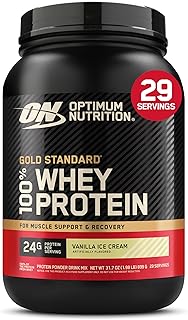
Optimum Nutrition Gold Standard 100% Whey Protein Powder, Vanilla Ice Cream, 2 Pound — $44.99 — Rating: 4.7

Premier Protein Powder, Chocolate Milkshake — $25.97 — Rating: 4.6

Orgain Organic Vegan Protein Powder, Vanilla Bean — $31.52 — Rating: 4.5

Dymatize ISO 100 Whey Protein Powder, Vanilla 5 Pound — $108.99 — Rating: 4.7

Premier Protein Powder, Vanilla Milkshake — $31.60 — Rating: 4.6

Transparent Labs Grass-Fed Whey Protein Isolate, French Vanilla — $59.99 — Rating: 4.5

Body Fortress Super Advanced Whey Protein Powder, Vanilla — $45.28 — Rating: 4.6

Six Star Whey Protein Powder, Triple Chocolate — $24.97 — Rating: 4.5

Isopure Zero Carb 100% Pure Whey Isolate Protein Powder, Unflavored — $89.95 — Rating: 4.4

Dymatize Elite 100% Whey Protein Powder, Rich Chocolate — $76.18 — Rating: 4.6
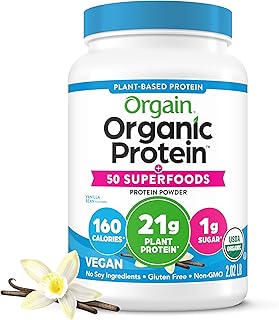
Orgain Organic Vegan Protein + 50 Superfoods Powder, Vanilla Bean — $34.15 — Rating: 4.6

Dymatize x Fruity Pebbles ISO100 Whey Protein Powder Isolate — $42.48 — Rating: 4.6

Dymatize Super Mass Gainer Protein Powder, Gourmet Vanilla — $39.98 — Rating: 4.5

Levels Grass Fed Whey Protein Powder, Pure Chocolate — $44.99 — Rating: 4.5

Vital Proteins Collagen Peptides Powder — $18.65 — Rating: 4.6

NAKED Whey Vanilla Protein Powder — $44.99 — Rating: 4.1

Nutricost Whey Protein Concentrate (Chocolate) 5LBS — $74.95 — Rating: 4.5

Orgain Organic Unflavored Vegan Protein Powder — $26.99 — Rating: 4.3
Start tracking your protein habit today — with a free app for the basics, or a paid upgrade when you’re ready to take your consistency to the next level. Your future self will thank you.