
Every single day, your habits are quietly shaping your future. The small choices you repeat — what you eat, how you move, what you think about before bed — accumulate into the person you become. But what happens when those habits are working against you? You already know the frustration: the promise to start fresh, the slip-up, the guilt, and the cycle repeats. You are not broken. You are just trapped in a pattern that your brain has automated. The good news is that you can rewire it.
This guide is your blueprint. We will walk through exactly how to spot the habits that are holding you back, understand the psychology of why they exist, and apply proven strategies to replace them with powerful new routines. And because real transformation requires real fuel, we will also explore how a simple tool like a quality protein powder can become a cornerstone habit for better health, focus, and self-control.

Table of Contents
What Are Bad Habits? Understanding the Psychology
A bad habit is any repeated behavior that produces an immediate reward but carries long-term negative consequences. Your brain loves efficiency. It turns repeated actions into automatic loops — the cue, the routine, the reward. This is called the habit loop, popularized by Charles Duhigg. The problem is that your brain does not judge "good" versus "bad". It only wants the dopamine hit from the reward.
Common examples of bad habits include:
- Mindless scrolling on social media when you feel bored
- Reaching for sugary snacks when stressed
- Procrastinating on important tasks until the last minute
- Skipping workouts because you feel tired
- Late-night eating or binge-watching
These habits feel good in the moment, but they slowly erode your energy, confidence, and health. The first step to overcoming them is to understand that they are not character flaws. They are neurological patterns. And patterns can be changed.
The Most Common Bad Habits That Sabotage Your Success
Before you can overcome your worst habits, you need to know what you are up against. Some habits are universal in their destructive power. Let’s examine the biggest offenders and how they affect your life.
For a deeper dive into the most common destructive patterns, read our guide on The Most Common Bad Habits That Sabotage Your Success.
1. Procrastination and Task Avoidance
You tell yourself you will start the project later. Later becomes tomorrow, and tomorrow becomes never. Procrastination is rooted in emotional regulation — you are avoiding the discomfort of starting. The cost is lost time, increased anxiety, and mediocre results.
2. Mindless Eating and Poor Nutrition
Grabbing processed snacks, skipping breakfast, or eating without awareness leads to energy crashes, weight gain, and brain fog. Your diet directly influences your willpower and mood. If you feed your body junk, your ability to make good decisions weakens.
3. Excessive Screen Time and Social Media
The average person checks their phone over 100 times a day. Each notification hijacks your attention. This habit fragments focus, reduces deep work capacity, and creates a constant state of low-level distraction.
4. Negative Self-Talk and Limiting Beliefs
The inner critic that says "you can't do this" or "you always fail" is a powerful habit of thought. It undermines confidence before you even try. This mental habit is often the hardest to see because it happens inside your head.
5. Inconsistent Sleep and Poor Bedtime Routines
Staying up late to "catch up" on work or entertainment creates a sleep debt that dampens cognitive function, weakens impulse control, and increases cravings for unhealthy food.
Understanding these habits gives you a map. But identifying your personal worst habits requires a closer look.
How to Identify Your Worst Habits: A Step-by-Step Process
You cannot change what you do not see. Most habits operate below the level of conscious awareness. Use this process to bring them into the light.
Step 1: Conduct a 72-Hour Audit
For three days, carry a small notebook or use a notes app. Every time you find yourself doing something automatically — checking your phone, grabbing a snack, saying yes when you mean no — write it down. Include the time, the situation, and how you felt before and after.
Example audit entry:
| Time | Cue | Behavior | Feeling Before | Reward | After |
|---|---|---|---|---|---|
| 3:00 PM | Afternoon slump | Ate a chocolate bar | Tired, bored | Sweet taste, energy spike | Guilt, crash |
After 72 hours, review your notes. Look for patterns. You will likely see the same 3–5 triggers repeating.
Step 2: Look for the Hidden Payoff
Every habit provides some form of reward, even if it is negative in the long run. Ask yourself: What am I really getting from this habit? Is it relief from boredom? A break from stress? A feeling of control? The reward is the glue that keeps the habit stuck.
Step 3: Rate the Impact
Assign each identified habit a score of 1 to 10 for two factors: how much it harms your long-term goals and how often you do it. Your worst habits will be the ones that score high on both. Focus on the top two or three first. Trying to change everything at once is a recipe for failure.
Step 4: Identify the Trigger Zones
Your habits are tied to specific contexts — certain times of day, locations, people, or emotional states. For example, if you always binge-watch shows at 10 PM in bed, the bed and the time are triggers. If you always smoke when drinking coffee with a certain friend, the friend is a trigger. Map these triggers so you can redesign your environment.
The Science of Breaking Bad Habits
Once you have identified your worst habits, the next question is: How do you actually break them? You need more than willpower. You need a system.
Why Willpower Fails
Willpower is a limited resource. Studies show that resisting temptation depletes your mental energy. By the end of a long day, your self-control is at its lowest. This is why bad habits often win at night. The solution is not to "try harder" but to make the bad habit harder and the good habit easier.
The Golden Rule of Habit Change
You cannot simply erase a habit. You must replace it. The cue and reward stay the same, but you change the routine. For example, if you feel stressed (cue) and want to feel calm (reward), instead of eating junk food (old routine), try taking a 5-minute walk or drinking a glass of water (new routine).
Use the 20-Second Rule
Research from behavioral scientist Shawn Achor shows that decreasing the friction for good habits and increasing it for bad habits works wonders. Make your bad habit require more effort. Want to stop checking your phone? Put it in another room when you work. Want to exercise in the morning? Sleep in your workout clothes.
Practical Strategies to Overcome Your Worst Habits
Now let’s apply the science with specific tactics you can use today.
Strategy 1: Stack Good Habits
Attach a new positive behavior to an existing daily habit. For example: "After I pour my morning coffee, I will drink one full glass of water." Or "After I brush my teeth at night, I will do 10 pushups." The existing habit acts as a trigger for the new one.
Strategy 2: Create an Implementation Intention
Instead of a vague "I will eat healthier," say: "If it is 12:30 PM on a weekday, then I will eat a protein-rich salad with a side of chicken." This if-then plan doubles your chances of following through. It pre-decides the action and removes decision fatigue.
Strategy 3: Redesign Your Environment
Your environment is more powerful than your motivation. If you want to stop mindless snacking, do not keep chips in your house. If you want to read more, place a book on your pillow. If you want to use a protein shake after workouts, keep your shaker bottle and powder on the kitchen counter where you cannot miss it.
Strategy 4: Use the Two-Minute Rule
When you are struggling to start a good habit (like going to the gym), scale it down to a two-minute version: put on your shoes, drive to the gym, do one set. Once you start, momentum often carries you further. The hardest part is the first two minutes.
Strategy 5: Track Your Wins
Keep a simple streak tracker. Mark an X on a calendar every day you successfully stick to your new habit. The visual of a chain of X’s is motivating. Do not break the chain.
Building Better Habits: The Role of Nutrition and Protein Powder
Your physical state directly impacts your ability to change habits. When you are tired, hungry, or undernourished, your willpower tank is empty. That is why nutrition is a foundational habit — it supports everything else.
One of the most effective nutritional anchors you can adopt is a daily protein shake. It is quick, portable, and provides steady energy that reduces cravings for sugary snacks. It forces you to start your day with a deliberate, health-positive action. Over time, that single habit can trigger a cascade of other good behaviors.
Why protein powder matters for habit change:
- Stabilizes blood sugar – prevents energy crashes that trigger junk food cravings
- Supports muscle recovery – encourages you to stick with exercise
- Boosts satiety – helps you make better food choices later in the day
- Simplifies decision-making – one scoop of powder is an easy win that reinforces willpower
The key is to choose a powder that fits your dietary needs and tastes great. A product you actually enjoy is one you will use consistently. Let’s look at some top-rated options.
For a broader look at the destructive patterns you need to eliminate, check out 10 Bad Habits You Need to Break for a Healthier Life.
Your Action Plan for Lasting Change
Breaking bad habits is not about perfection. It is about progress. Follow this one-week plan to start:
Day 1–2: Complete the 72-hour audit. Write down every automatic behavior.
Day 3: Choose ONE habit to work on. Only one.
Day 4: Identify the cue and reward for that habit. Design a replacement routine.
Day 5: Modify your environment. Remove the bad habit's triggers. Add friction.
Day 6: Start your replacement habit. Use an implementation intention. For example: "When I feel the urge to scroll on social media after lunch, I will instead drink a glass of water and read one page of a book."
Day 7: Reflect and adjust. What worked? What didn’t? Tweak your approach.
Remember: a single victory builds momentum. Each time you resist a bad habit, you strengthen the neural pathway of self-control. The person you are becoming is forged one decision at a time.
Frequently Asked Questions
How long does it take to break a bad habit?
Studies suggest it takes anywhere from 18 to 254 days, with an average of 66 days. The key is consistency, not speed. Focus on showing up every day.
What is the most effective way to overcome a bad habit?
Replace it with a different behavior that gives the same reward. Trying to stop a habit without a replacement often leads to relapse because the unmet craving grows stronger.
Can you break a bad habit overnight?
Rarely. Real change requires repetition. However, you can make a bad habit much harder to do in seconds—like moving your phone to another room. That immediate friction can break the cycle quickly.
Why do I keep falling back into old habits?
Because the old neural pathways are still there. They never fully disappear. But when you consistently practice the new behavior, the old path grows weaker while the new path becomes the default.
How do habits relate to nutrition?
Poor nutrition depletes the energy your brain needs for self-control. A protein-rich diet can stabilize your blood sugar and provide amino acids that support neurotransmitter function, making it easier to resist temptations.
Recommended Products to Support Your Habit Transformation
A quality protein powder can be the anchor habit that fuels your entire transformation. Below are top-rated options from Amazon. Each one is a simple, effective tool to keep your energy stable and your cravings in check.

Optimum Nutrition Gold Standard 100% Whey, Double Rich Chocolate – $44.99 – Rating 4.6
A classic, high-quality whey with 24g protein per serving. Great taste and mixability.
Optimum Nutrition Gold Standard Vanilla Ice Cream, 5 lb – $79.99 – Rating 4.7
The top-selling protein powder for a reason. Perfect for building a daily shake habit.
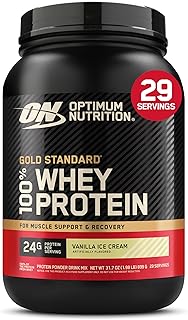
Optimum Nutrition Gold Standard Vanilla, 2 lb – $44.99 – Rating 4.7
Same quality in a smaller tub. Ideal for beginners or those who want to try before committing to a larger size.

Premier Protein Powder, Chocolate Milkshake – $25.97 – Rating 4.6
30g protein, 1g sugar, and gluten-free. Tastes like a treat without the sugar crash.

Orgain Organic Vegan Protein, Vanilla Bean – $31.52 – Rating 4.5
Plant-based with 21g protein and 6g prebiotic fiber. Great for dairy-free needs.

Dymatize ISO 100 Whey, Vanilla 5 lb – $108.99 – Rating 4.7
Hydrolyzed whey isolate for fast absorption. Low carb, low fat, and high purity.

Premier Protein Powder, Vanilla Milkshake – $31.60 – Rating 4.6
Another excellent option if you prefer vanilla. Same 30g protein, low sugar formula.

Transparent Labs Grass-Fed Whey Isolate, French Vanilla – $59.99 – Rating 4.5
Naturally flavored, gluten-free, 28g protein. Clean label with no artificial sweeteners.

Body Fortress Super Advanced Whey, Vanilla – $45.28 – Rating 4.6
Contains added vitamins C, D, and zinc for immune support. Solid value.

Six Star Whey Protein Plus, Triple Chocolate – $24.97 – Rating 4.5
Budget-friendly with whey isolate and peptides. Ideal for muscle building on a budget.

Isopure Zero Carb, Unflavored – $89.95 – Rating 4.4
Zero carbs, 25g protein per serving. Perfect for low-carb diets. Unflavored mixes easily into anything.

Dymatize Elite 100% Whey, Rich Chocolate 5 lb – $76.18 – Rating 4.6
Excellent quality with 25g protein and 5.5g BCAAs. A trusted staple.
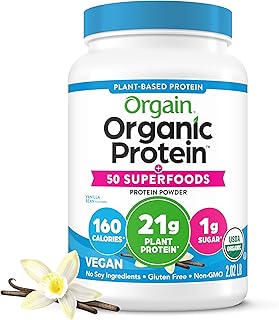
Orgain Organic Vegan + 50 Superfoods, Vanilla Bean – $34.15 – Rating 4.6
Packed with greens and plant protein. A nutritional powerhouse.

Dymatize x Fruity Pebbles ISO100 – $42.48 – Rating 4.6
Fun, nostalgic flavor with top-tier isolate. 25g protein, 120 calories.

Dymatize Super Mass Gainer, Gourmet Vanilla – $39.98 – Rating 4.5
For those needing extra calories and mass. 52g protein, 1g creatine per serving.

Levels Grass Fed Whey, Pure Chocolate 2 lb – $44.99 – Rating 4.5
No artificial ingredients. 24g protein from grass-fed cows. Clean and simple.

Vital Proteins Collagen Peptides, Unflavored – $18.65 – Rating 4.6
Great for hair, skin, nails, and joints. Easy to add to coffee or smoothies.

NAKED Whey Vanilla – $44.99 – Rating 4.1
Only three ingredients: grass-fed whey, vanilla, and organic coconut sugar. No artificial anything.

Nutricost Whey Protein Concentrate, Chocolate 5 lb – $74.95 – Rating 4.5
Excellent value. High-quality whey concentrate at a great price per serving.

Orgain Organic Unflavored Vegan Protein – $26.99 – Rating 4.3
Unsweetened and unflavored. Versatile for cooking or mixing into savory dishes.
Your habits are not your destiny. They are your current default settings. With the right awareness, the right strategy, and the right tools, you can rewrite them. Start today by identifying one bad habit you are ready to let go of. Replace it with a small, positive action—like mixing a protein shake each morning. That single decision can create a ripple effect that transforms everything.
You have the power. Now go build the life you deserve.