
Choosing the right book to build better habits is like selecting the perfect protein powder for your fitness goals. Both decisions require understanding your unique needs, preferences, and desired outcomes. The wrong choice can leave you frustrated and unmotivated, while the right one accelerates your progress.
Think about it: you wouldn’t grab a mass gainer if you’re cutting weight. Similarly, you shouldn’t pick a complex behavioral science book if you’re a beginner craving simple, actionable steps. This guide will help you navigate the crowded shelves of habits literature with the same precision you’d use when selecting your daily supplement.
We’ll break down the key factors, popular frameworks, and even show you how to pair your habits book with the right fuel—like a high-quality protein powder—to keep your mind and body in sync. Let’s build a system that works for you.
Table of Contents
Why the Right Habits Book Matters
A habits book isn’t just a collection of tips—it’s a blueprint for lasting change. The wrong book might resonate intellectually but fail to inspire action. The right book, on the other hand, becomes your personal coach, pushing you when motivation fades and showing you how to design an environment that makes good habits inevitable.
According to a 2020 study in Health Psychology Review, habit formation strategies work best when they align with an individual’s personality, goals, and context. That’s why a one-size-fits-all approach rarely delivers. When you select a book that matches your learning style and habit challenges, you dramatically increase your odds of success.
Key Factors to Consider When Choosing a Habits Book
1. Your Current Stage of Change
Are you just starting out, or have you tried and failed multiple times? Your stage determines which book will offer the most value.
- Beginners: Look for books with simple frameworks and step-by-step guides. Atomic Habits by James Clear is a classic—it breaks down habit formation into four laws that anyone can apply.
- Intermediate: If you’ve built some habits but struggle with consistency, try books that delve deeper into motivation and identity change, like The Power of Habit by Charles Duhigg.
- Advanced: For those ready to master willpower and long-term behavior change, consider Better Than Before by Gretchen Rubin or The Bullet Journal Method.
2. Your Personality and Learning Style
Gretchen Rubin’s Four Tendencies framework helps you understand how you respond to expectations. Some books cater to different tendencies:
| Tendency | Description | Recommended Book |
|---|---|---|
| Upholder | Meets inner and outer expectations easily | Better Than Before |
| Questioner | Resists expectations unless they make sense | The Power of Habit |
| Obliger | Meets outer expectations but struggles with inner ones | Atomic Habits |
| Rebel | Resists all expectations | The Bullet Journal Method |
Knowing your tendency saves you from picking a book that clashes with your nature.
3. Scientific Depth vs. Actionable Tips
Some readers want the research behind habit formation. Others just want a to-do list. Decide where you fall and choose accordingly.
- Science-heavy books like The Power of Habit explain the neurological loop of cue-routine-reward. Ideal for curious minds who love understanding the “why.”
- Action-oriented books like Atomic Habits focus on practical techniques: habit stacking, environment design, and the two-minute rule.
- Hybrid books such as Tiny Habits by BJ Fogg blend behavioral science with step-by-step instructions.
4. The Book’s Core Framework
Each habits book offers a unique model. Compare them before committing:
| Book | Core Framework | Best For |
|---|---|---|
| Atomic Habits | Four Laws of Behavior Change | Building new habits and breaking bad ones |
| The Power of Habit | Cue-Routine-Reward Loop | Understanding the neuroscience of habits |
| Tiny Habits | Start small with anchor moments | Overcoming procrastination |
| Better Than Before | Strategy-based customization | Personalizing your habit plan |
| The Bullet Journal Method | Analog system for tracking habits | Visual and hands-on learners |
Consider which framework resonates with your lifestyle. For example, if you’re data-driven, tracking with a bullet journal might be your sweet spot.
5. Real-World Application and Examples
The best habits books don’t just teach—they show. Look for authors who include case studies, personal stories, and step-by-step implementation guides. Books that feel like a conversation with a trusted mentor tend to stick better than dry academic texts.
For instance, in Atomic Habits, James Clear shares his own recovery journey and how tiny changes transformed his life. That emotional connection makes the content more memorable and actionable.
How to Evaluate a Habits Book Before Buying
Don’t judge a book by its cover—or its Amazon rating. Here’s a quick checklist:
- Read the table of contents. Does it cover topics you care about? Habit stacking, environment design, identity change?
- Check the author’s credentials. Are they a researcher, a coach, or someone who simply succeeded? Each has merit, but know what you’re getting.
- Skim reviews. Look for comments that mention “practical” or “life-changing” versus “too theoretical.” Ignore 5-star raves and 1-star rants.
- Sample a chapter. Most platforms let you read a few pages. Do you like the writing style? Is it dense or light?
- Consider the length. A 300-page book might feel intimidating if you’re just starting. A slim, focused book like The One Thing can be more effective for beginners.
Pairing Your Habits Book with the Right Fuel
Building habits requires mental energy, and mental energy comes from proper nutrition. That’s where protein powder fits in. Think of your habits book as the plan, and your diet as the engine. To keep your momentum going, you need steady fuel.
Just as you wouldn’t choose a protein powder without checking the ingredients, you shouldn’t pick a habits book without understanding what you’re getting. Use this analogy to make smarter choices in both areas.
The Protein Powder Parallel
Imagine you’re comparing two top-rated protein powders:
- Optimum Nutrition Gold Standard 100% Whey Protein Powder, Double Rich Chocolate 1.98 lb – Price: $44.99, Rating: 4.6. It’s the industry standard, much like Atomic Habits is the go-to for most people.
- Orgain Organic Vegan Protein Powder, Vanilla Bean – Price: $31.52, Rating: 4.5. If you have dietary restrictions (vegan, lactose intolerant), this is your equivalent of a specialized habits book like The Power of Habit for those who prefer narrative-driven insights.
Both deliver protein, but they serve different needs. The same logic applies to books. Choose the one that fits your “dietary” style—whether you prefer science, stories, or straightforward steps.
Top Habits Books in 2025: A Deep Dive
We’ve already covered the classics, but here’s a quick overview of the most recommended titles. For a full breakdown, check out our detailed guide: The Best Habits Books to Read in 2025: from Atomic Habits to the Power of Habit.
And if you want an exhaustive review of one particular masterpiece, read our Deep Dive into 'The Power of Habit': a Comprehensive Book Review and Analysis.
Atomic Habits – James Clear
Best for: Everyone. Seriously. It’s the most balanced book on habits, combining research, storytelling, and actionable advice.
Core lesson: Small changes compound into remarkable results. Use the Four Laws: Make it obvious, attractive, easy, and satisfying.
Why it’s popular: Clear’s writing is clear (pun intended), and each chapter ends with a summary of key takeaways. You can start applying the principles immediately.
The Power of Habit – Charles Duhigg
Best for: Those who want to understand why habits exist and how to rewire them.
Core lesson: Every habit has a loop: cue, routine, reward. To change a habit, keep the cue and reward but swap the routine.
Why it’s popular: Duhigg’s narrative style makes complex neuroscience accessible. The stories of Starbucks, Febreze, and Olympic athletes are unforgettable.
Tiny Habits – BJ Fogg
Best for: People who struggle with motivation and big changes.
Core lesson: Start with a behavior that takes less than 30 seconds. Use emotion to cement it.
Why it’s popular: Fogg’s method feels easy—almost too easy. But it works because it sidesteps willpower depletion.
Better Than Before – Gretchen Rubin
Best for: Anyone who wants to personalize their habit strategy.
Core lesson: Know yourself (the Four Tendencies) and choose the right habits for your personality.
Why it’s popular: Rubin’s research on self-knowledge is unique. She gives you permission to not follow generic advice.
The Bullet Journal Method – Ryder Carroll
Best for: Organizers, visual learners, and analog enthusiasts.
Core lesson: Use a notebook to track, reflect, and design your habits intentionally.
Why it’s popular: It’s a system, not just a book. Many readers find the physical act of writing draws them deeper into habit formation.
How to Maximize the Value of Your Habits Book
Reading a book is only the first step. To truly build better habits, you need to implement what you learn. Here’s a four-step process that turns knowledge into automatic behavior.
Step 1: Set Clear Implementation Intentions
Before you finish the book, decide exactly when and where you will apply one habit. For example, “I will read ten pages of my habits book every morning at 7 AM in my living room.” This is habit stacking—attach your new habit to an existing one.
Step 2: Use a Tracking System
Whether it’s a bullet journal or a habit tracker app, measure your consistency. Many habits books include templates. For instance, Atomic Habits recommends a habit scorecard—a simple list of your current behaviors with a + or – sign.
Step 3: Adjust Your Environment
This is where most people fail. If you want to read more, put the book on your pillow. If you want to exercise, lay out your gym clothes the night before. As James Clear says, “You don’t need to be a disciplined person. You need to design a disciplined environment.”
Step 4: Review and Refine Weekly
Habits aren’t static. What works this month might not work next month. Use your bullet journal or a notes app to reflect: What felt easy? What felt forced? Then tweak your plan.
The Role of Physical Energy in Habit Formation
Building habits requires energy—both mental and physical. When your blood sugar dips or you’re low on protein, your willpower fades. That’s why savvy habit builders pair their reading with proper nutrition.
Think of protein powder as your habit-building booster. It stabilizes energy, supports brain function, and helps you stick to your new routine. For example, a morning shake with Premier Protein Powder, Chocolate Milkshake (30g protein, $25.97, rating 4.6) can fuel your habit of journaling or exercising before work.
Best Protein Powders to Fuel Your Habit-Building Journey
Just as you carefully select a habits book, you should choose a protein powder that aligns with your dietary needs and goals. Below are ten top-rated options. Each one includes price, rating, and a direct link to buy. Use these to keep your body as strong as your new habits.
1. Optimum Nutrition Gold Standard 100% Whey – Double Rich Chocolate

Price: $44.99 | Rating: 4.6
The gold standard of whey. Perfect for those who want a reliable, great-tasting protein to support daily routines.
2. Optimum Nutrition Gold Standard – Vanilla Ice Cream, 5 lb

Price: $79.99 | Rating: 4.7
Best value for commitment. If you’re serious about both fitness and reading, this bulk size saves money.
3. Optimum Nutrition Gold Standard – Vanilla Ice Cream, 2 lb
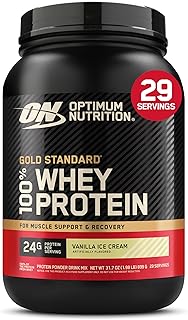
Price: $44.99 | Rating: 4.7
Perfect for testing habits on a smaller scale—like a short, focused habits book.
4. Premier Protein Powder – Chocolate Milkshake

Price: $25.97 | Rating: 4.6
Low sugar, high protein. Ideal for low-carb lifestyles. Like a lean habits book that cuts the fluff.
5. Orgain Organic Vegan Protein – Vanilla Bean

Price: $31.52 | Rating: 4.5
Plant-based and allergy-friendly. Great for those who need a gentle approach—similar to Tiny Habits.
6. Dymatize ISO 100 Whey Protein – Vanilla, 5 lb

Price: $108.99 | Rating: 4.7
Hydrolyzed isolate for rapid absorption. For readers who want immediate, high-quality results—like The Power of Habit.
7. Premier Protein Powder – Vanilla Milkshake

Price: $31.60 | Rating: 4.6
Another great low-sugar option. Versatile for shakes and smoothies—like a multi-chapter habits book.
8. Transparent Labs Grass-Fed Whey Isolate – French Vanilla

Price: $59.99 | Rating: 4.5
Clean label, no artificials. For those who demand transparency—like a habits book with full scientific citations.
9. Body Fortress Super Advanced Whey – Vanilla, 3.9 lb

Price: $45.28 | Rating: 4.6
Includes vitamins C & D and zinc. A fortified option, much like a habits book with bonus templates and worksheets.
10. Six Star Whey Protein Plus – Triple Chocolate, 1.82 lb

Price: $24.97 | Rating: 4.5
Budget-friendly but effective. Great for students or anyone starting their habit journey on a budget.
FAQ
Q: How long does it take to form a new habit?
A: Research by Phillippa Lally (2009) suggests it takes 18 to 254 days, with an average of 66 days. Don't get discouraged if it feels slow—consistency matters more than speed.
Q: Can I read more than one habits book at a time?
A: It’s possible, but not recommended for beginners. Stick with one until you’ve applied its core principles. You can always revisit others later to refine your system.
Q: Is Atomic Habits really better than The Power of Habit?
A: “Better” depends on your style. Atomic Habits is more actionable; The Power of Habit is more explanatory. Many people read both for a complete picture.
Q: Should I get a vegan or whey protein powder to support habit building?
A: Choose based on your dietary needs. Whey is faster-absorbing, while vegan powders (like Orgain) are gentle on digestion. Both support energy and focus.
Q: How do I know if a habits book will actually help me?
A: Look for testimonials that mention real life changes, not just “interesting read.” Also check if the author has a system you can implement immediately.