
You pick up a protein bar with bold claims: “30g protein,” “all natural,” “no sugar added.” It sounds perfect. But flip the package over and the ingredient list reads like a chemistry exam. Soy protein isolate, maltodextrin, sucralose, palm kernel oil — what does any of it actually mean for your health and performance?
Understanding what’s inside your protein bar separates a smart fuel choice from a glorified candy bar. Whether you’re building muscle, managing weight, or just looking for a clean snack, the ability to decode labels is a non‑negotiable skill for anyone serious about their nutrition. And if you’ve ever wondered how the quality of the Optimum Nutrition Gold Standard 100% Whey Protein compares to the protein in your bar, you’re in the right place.
This guide will turn you into a label‑reading expert. We’ll break down every ingredient category, expose common marketing tricks, and give you a repeatable system for choosing bars that actually deliver on their promises.
Table of Contents
Why Reading Protein Bar Labels Matters More Than the Marketing
The front of the package is designed to sell. The back tells the truth. Brands know that terms like “keto‑friendly,” “plant‑powered,” and “clean protein” trigger positive emotions, but those claims are often unregulated or loosely defined. A bar labelled “no added sugar” might still contain sugar alcohols that spike your digestion. A “high protein” bar could source that protein from heavily processed isolates that lack amino acid profiles.
Your body doesn’t care about the marketing slogan. It cares about the actual ingredients. Learning to read and rank those ingredients is one of the most empowering skills you can develop in your fitness journey.
The Anatomy of a Protein Bar Label – What Every Ingredient Really Means
Protein Sources: Whey, Plant, Collagen & More
Protein is the star ingredient, but the source dramatically affects quality and digestibility.
- Whey protein isolate – The gold standard. High bioavailability, fast absorption, rich in BCAAs. Look for “grass‑fed whey isolate” on the label for additional fat‑soluble vitamins.
- Whey protein concentrate – Slightly lower protein percentage (around 70‑80%) and more lactose. Still effective, but can cause bloating for sensitive individuals.
- Plant proteins (pea, brown rice, hemp) – Excellent alternatives for vegans. Pea protein is particularly strong in arginine and iron. Combine with brown rice for a complete amino acid profile.
- Collagen peptides – Often added for skin and joint health, but collagen is not a complete protein. It should never be the primary protein source if you’re aiming for muscle repair.
- Soy protein isolate – Cheap filler. Highly processed, often GMO, and may interfere with thyroid function in large amounts. Best avoided.
Pro tip: The first ingredient listed is the most abundant. If “soy protein isolate” appears before “whey isolate,” the quality is likely poor.
Sweeteners: Sugar, Sugar Alcohols, Artificial vs Natural
Sweetener choice is one of the most controversial aspects of protein bars. Here’s the truth:
| Sweetener type | Examples | Pros | Cons |
|---|---|---|---|
| Natural | Honey, maple syrup, dates | Adds nutrients, antioxidants | Caloric, can spike blood sugar |
| Sugar alcohols | Erythritol, xylitol, maltitol | Low calorie, low GI | Digestive upset, maltitol can still raise glucose |
| Artificial | Sucralose, aspartame, acesulfame K | Zero calories | Gut microbiome disruption, potential cravings |
| Stevia/Monk fruit | Stevia leaf extract, monk fruit | Zero calorie, natural | Aftertaste with stevia, can be expensive |
Rule of thumb: Prefer bars sweetened with whole food sources (dates, honey) or stevia/monk fruit. Avoid maltitol and artificial sweeteners as much as possible.
Fats: The Good, The Bad, The Hidden
Healthy fats support hormone production and satiety. Unhealthy fats are used simply to bind the bar or extend shelf life.
- Look for: Almond butter, coconut oil, cocoa butter, chia seeds, flaxseeds.
- Avoid: Palm kernel oil, hydrogenated oils (trans fats), soybean oil, canola oil.
- Watch out for “fractionated palm kernel oil” – a highly saturated fat that adds texture but offers none of the health benefits of whole nuts or seeds.
Fiber: Why It’s a Marker of Quality
Fiber slows sugar absorption, supports digestion, and increases fullness. A high‑quality bar will have at least 5–8g of fiber per serving.
- Best sources: Chicory root inulin, tapioca fiber, oat fiber, almonds, dates.
- Red flags: “Polydextrose” – a synthetic fiber that may cause gas. “Soluble corn fiber” – often heavily processed.
Additives, Preservatives, and Thickeners
The shorter the ingredient list, the better. Common triggers for digestive issues include:
- Carrageenan – A seaweed derivative linked to inflammation.
- Xanthan gum – Usually fine, but excess can cause bloating.
- Soy lecithin – Used as emulsifier; often GMO.
- Natural flavors – Loose term; can include anything from citric acid to MSG‑like compounds.
The “Natural” and “Organic” Trap
“Natural” has no legal definition. “Organic” does, but it doesn’t automatically mean the bar is healthy – organic sugar is still sugar. Focus on whole‑ingredient transparency rather than certifications alone.
How To Spot a High-Quality Protein Bar in 5 Steps
Follow this checklist every time you evaluate a protein bar:
- Check the protein source first. Isolate > concentrate > soy or collagen.
- Count the grams of sugar. Aim for less than 5g total sugar (and check the “added sugar” line).
- Evaluate the sweetener. Acceptable: stevia, monk fruit, erythritol, dates. Avoid: maltitol, sucralose.
- Look at the fiber content. 5g+ is excellent; less than 3g suggests low quality.
- Scan the fats. Whole nuts or seeds are good. Palm kernel oil or hydrogenated oils are bad.
Floura Bars Ingredients – A Case Study in Clean Labeling
Floura bars represent exactly what a modern protein bar should be. Their ingredient philosophy revolves around transparent, minimally processed components that you can pronounce.
A typical Floura bar contains:
- Grass‑fed whey protein isolate – No whey concentrate, no soy fillers.
- Organic dates and honey – Natural sweetness with fiber and micronutrients.
- Almonds and chia seeds – Healthy fats and omega‑3s.
- Cocoa butter and natural cocoa – No artificial flavors or hydrogenated oils.
- Stevia leaf extract – Zero‑calorie sweetness without digestive distress.
This approach aligns perfectly with what we’ve discussed: premium protein source, real food fats, whole sweeteners, and no unnecessary fillers. When you see a bar with a similarly clean list, you know you’re holding a quality product.
Want to learn more about what makes a protein bar truly nutritious? Read our detailed guide on Top 10 Ingredients That Make a Protein Bar Nutritious.
The Connection Between Protein Bars and Protein Powder – Why Your Choice Matters
Many protein bars are essentially protein powder mixed with binders, flavorings, and fats. So if you’re already picky about your protein powder, your bar should meet that same standard.
The same markers of quality apply:
- Whey isolate is more expensive but provides better protein efficiency.
- Plant protein should be blended for complete amino acids.
- Avoid artificial sweeteners in both your powder and your bar.
When you choose a clean protein powder for your smoothies or homemade bars, you directly control the ingredient quality. That’s why the Amazon picks below are worth a close look – they represent the same level of ingredient integrity you should demand from any packaged bar.
Ingredient Quality Checklist – Quick Reference Table
| Ingredient Category | What to Prefer | What to Avoid |
|---|---|---|
| Protein source | Whey isolate, pea + rice blend | Soy isolate, collagen dominant |
| Sweetener | Stevia, monk fruit, dates | Maltitol, sucralose, aspartame |
| Fat source | Almond butter, coconut oil, almonds | Palm kernel oil, hydrogenated oils |
| Fiber source | Chicory root, oat fiber, dates | Polydextrose, synthetic corn fiber |
| Additives | Minimal, recognizable names | Carrageenan, soy lecithin, natural flavors in excess |
Top Protein Powders for Homemade Bars & Smoothies (Amazon Picks)
If you want complete control over your protein intake, skip the packaged bars and make your own using a high‑quality protein powder. Below are the top‑rated options currently available on Amazon, all backed by thousands of real user reviews.

Optimum Nutrition Gold Standard 100% Whey Protein Powder, Double Rich Chocolate 1.98lb – $44.99 – ⭐4.6

Optimum Nutrition Gold Standard 100% Whey Protein Powder, Vanilla Ice Cream, 5lb – $79.99 – ⭐4.7
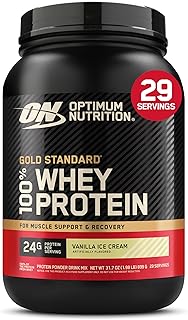
Optimum Nutrition Gold Standard 100% Whey Protein Powder, Vanilla Ice Cream, 2lb – $44.99 – ⭐4.7

Premier Protein Powder, Chocolate Milkshake, 30g Protein, 1g Sugar – $25.97 – ⭐4.6

Orgain Organic Vegan Protein Powder, Vanilla Bean – 21g Plant Protein – $31.52 – ⭐4.5

Dymatize ISO 100 Whey Protein Powder, Vanilla 5lb – $108.99 – ⭐4.7

Premier Protein Powder, Vanilla Milkshake, 30g Protein – $31.60 – ⭐4.6

Transparent Labs Grass-Fed Whey Protein Isolate, French Vanilla – $59.99 – ⭐4.5

Body Fortress Super Advanced Whey Protein Powder, Vanilla, 3.9lb – $45.28 – ⭐4.6

Six Star Whey Protein Powder Plus, Triple Chocolate – $24.97 – ⭐4.5

Isopure Zero Carb 100% Whey Isolate, Unflavored, 3lb – $89.95 – ⭐4.4

Dymatize Elite 100% Whey Protein Powder, Rich Chocolate, 5lb – $76.18 – ⭐4.6
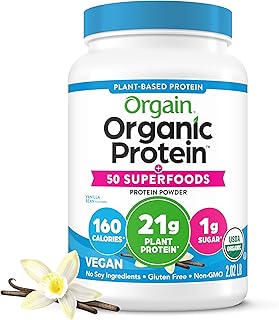
Orgain Organic Vegan Protein + 50 Superfoods, Vanilla Bean – $34.15 – ⭐4.6

Dymatize x Fruity Pebbles ISO100 Whey Protein Isolate – $42.48 – ⭐4.6

Dymatize Super Mass Gainer, Gourmet Vanilla – $39.98 – ⭐4.5

Levels Grass Fed Whey Protein Powder, Pure Chocolate, 2lb – $44.99 – ⭐4.5

Vital Proteins Collagen Peptides, Unflavored – $18.65 – ⭐4.6

NAKED Whey Vanilla Protein Powder – 3 Ingredients – $44.99 – ⭐4.1

Nutricost Whey Protein Concentrate, Chocolate, 5lb – $74.95 – ⭐4.5

Orgain Organic Unflavored Vegan Protein Powder, 1.59lb – $26.99 – ⭐4.3
Frequently Asked Questions
What is the most important thing to look for in a protein bar ingredient list?
The protein source and the sweetener are the two most critical factors. Choose a bar where whey isolate or a complete plant blend appears first, and where the sweetness comes from dates, stevia, or monk fruit.
Are protein bars with “no added sugar” always healthy?
Not necessarily. “No added sugar” often means the bar uses sugar alcohols or artificial sweeteners that can still affect digestion and cravings. Always check the ingredient list for maltitol or sucralose.
How much fiber should a quality protein bar have?
Aim for at least 5 grams of fiber per serving. Fiber from whole food sources like chicory root or almonds is preferable to synthetic types like polydextrose.
Can I use protein powder to make my own bars?
Absolutely. High‑quality protein powders like the ones listed above can be mixed with nut butters, oats, and natural sweeteners to create bars with complete ingredient control.
Why does Floura bars focus on grass‑fed whey isolate?
Grass‑fed whey isolate delivers a higher concentration of protein per gram, fewer carbs and fats, and a better amino acid profile compared to standard concentrates. It also avoids hormones and antibiotics often present in factory‑farmed dairy.