
Your shirt’s collar and cuffs take the biggest beating. Friction from your neck, sweat, oils from your skin, and constant rubbing against desks and jacket cuffs—these areas show wear first. The good news? With a few smart habits and the right products, you can double the life of even the best shirts for men.
Whether you wear crisp dress shirts to the office, breezy linen button-downs on vacation, or soft polos for weekend errands, caring for collars and cuffs keeps your entire wardrobe looking sharp. Let’s dive into proven collar and cuff care techniques—plus the gear that makes maintaining your shirts effortless.

Table of Contents
Why Collars and Cuffs Wear Out First
Your collar touches your neck all day. Perspiration, natural oils, and even beard stubble slowly break down the fabric fibers. Cuffs rub against watch bands, desk edges, and jacket sleeves. Over time, those white or light-colored shirts develop yellowing, fraying, and stubborn stains.
Prevention starts before you wash. A simple layer—like a quality undershirt—absorbs sweat and oils before they reach your shirt’s collar. The right undershirt can reduce washing frequency for your outer shirts, keeping them newer longer.

Best Practices for Washing Collars and Cuffs
Pre-treat Before You Wash
Apply a small amount of liquid detergent or a stain remover directly to collar and cuff bands. Gently rub the fabric together. Let it sit for 10–15 minutes before tossing the shirt into the machine. This loosens oils and dirt that cause yellowing.
Choose the Right Wash Cycle
- Use cold or warm water (never hot) to prevent setting stains.
- Turn shirts inside out to reduce abrasion on the collar and cuff edges.
- Avoid overloading the washer—shirts need room to move.
For more detailed wash techniques, check out our guide on How to Wash and Dry the Best Shirts for Men Without Ruining the Fabric?.
Drying and Ironing: Don’t Overdo It
Skip the High Heat
High heat shrinks collars and weakens interfacing. Instead, tumble dry on low or medium. Remove shirts while slightly damp—this makes ironing easier and prevents over-drying.
Iron with Steam
Use a medium-hot iron with steam for cotton shirts. For wrinkle-resistant shirts, iron while the fabric is still slightly damp. Start with the collar and cuffs, then move to the body. A light spray starch can add body to a floppy collar—but don’t overdo it or it can attract dirt.
Wondering whether to iron or steam? Read Ironing vs Steaming: Best Way to Maintain Dress Shirts for Men at Home.
The Role of Undershirts in Collar Protection
A good undershirt is your first line of defense. It catches sweat, oils, and deodorant residue before they reach your shirt’s collar. The best undershirts for this purpose are soft, breathable, and stay tucked without bunching.
Consider these popular undershirt and t-shirt options:
| Product | Image | Key Features | Price | Rating | Buy Now |
|---|---|---|---|---|---|
| Hanes Men’s Undershirt Packs | 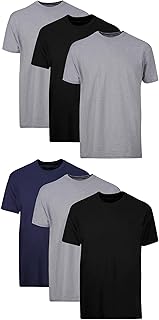 |
Stay-tucked design, soft cotton, moisture-wicking, multipacks in white/black/assorted | $17.58 | 4.5 | Buy Now |
| True Classic 3-Pack Men’s T-Shirts |  |
Premium cotton blend, crew neck, flat seams, stays tucked | $69.99 | 4.3 | Buy Now |
| Gildan Men’s Crew T-Shirts Multipack |  |
Budget-friendly, soft, tag-free, machine washable, variety of colors | $18.89 | 4.6 | Buy Now |
Pro tip: For the ultimate collar protection, choose a V-neck undershirt that stays hidden under open buttons. The Hanes Stay-Tucked option (linked above) is a customer favorite.
Choosing Shirts with Durable Collars and Cuffs
Not all shirts are created equal. Look for collars with sewn-in collar stays (removable or built-in) and cuffs with fused lining that resists curling. Wrinkle-free fabrics also reduce ironing stress on those high-wear areas.
Here are three top-rated shirts in different categories—all with strong collars and cuffs:
| Product | Image | Key Features | Price | Rating | Buy Now |
|---|---|---|---|---|---|
| J.VeR Men’s Dress Shirts |  |
Stretch fabric, wrinkle-free, long sleeve, formal, button-down collar | $16.99 | 4.5 | Buy Now |
| COOFANDY Men’s Linen Shirts Short Sleeve |  |
Linen blend, short sleeve, beach wedding style, with pocket | $29.99 | 4.3 | Buy Now |
| Alimens Gentle Men’s Linen Shirts | 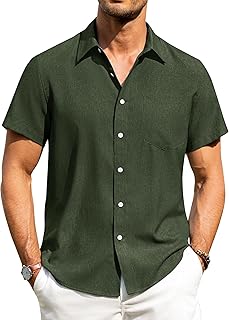 |
Wrinkle-free, short sleeve, vacation beach top, lightweight | $17.99 | 4.5 | Buy Now |
Both linen shirts are great for summer and casual settings, but the J.VeR dress shirt is ideal for the office thanks to its stretch and wrinkle-free construction. A sturdy collar and quality lining make these shirts less prone to early wear.
Repair and Maintenance: Small Fixes, Big Payoff
Don’t toss a shirt because a collar button is loose or a cuff seam is unraveling. A needle, thread, and ten minutes can save your favorite shirt.
- Loose buttons: Reinforce with a few extra stitches. Use a toothpick to keep thread tension even.
- Frayed collar edges: Apply a tiny dab of clear fabric glue or fray-check liquid.
- Yellow collar stains: Make a paste of baking soda and white vinegar. Gently scrub, let sit 30 minutes, then wash.
For more detailed repair techniques, see Button and Seam Repairs: Simple Fixes to Make the Best Shirts for Men Last Longer.
Storage That Preserves Shape
How you store shirts matters as much as how you wash them. Always unbutton the top button before hanging to prevent collar distortion. Use wide, padded hangers for dress shirts to maintain shoulder shape. For casual and linen shirts, folding is fine—just avoid cramming them into tight drawers.
Learn more in Closet Organization Tips: Storing the Best Shirts for Men to Prevent Wrinkles and Wear.
Stain Survival: Act Fast on Collar and Cuff Marks
Coffee splashes, wine spills, and sweat rings are inevitable. The key is treating stains before they set. For fresh stains, blot (don’t rub) with a clean cloth, then apply a stain remover. For older stains, a paste of aspirin and water can lift yellow marks from collars.
Read the full protocol in Stain Survival Guide: Saving the Best Shirts for Men from Wine, Coffee and Sweat Marks.
Wrinkle Control on the Go
Even with perfect care, shirts wrinkle during travel. Packing with tissue paper or rolling instead of folding reduces creases. When you arrive, hang shirts in a steamy bathroom or use a portable steamer.
For quick fixes, refer to Wrinkle Control 101: Keeping the Best Shirts for Men Looking Crisp with Minimal Effort.
FAQ: Collar and Cuff Care
How often should I wash dress shirts?
After every 1–2 wears. If you wear an undershirt and don’t sweat heavily, you can often get two wears before washing.
Can I bleach white collars and cuffs?
Use oxygen-based bleach (like OxiClean) instead of chlorine bleach. Chlorine weakens fibers and can cause yellowing over time.
What is the best way to remove yellow stains from shirt collars?
Soak the collar in a solution of equal parts hydrogen peroxide and water for 30 minutes, then wash as usual. For tough stains, add baking soda to the paste.
Should I use starch on my shirt collars?
Light starch adds body, but heavy starch can attract dirt and make the collar stiff. Use spray starch sparingly, and only on cotton shirts.
How do I keep my shirt collar from curling?
Avoid high heat when ironing or drying. Store shirts with the collar flat, and consider using magnetic or metal collar stays for dress shirts.
Final Thoughts
Investing a little time in collar and cuff care pays off in shirts that stay crisp, comfortable, and wearable for years. Pair smart washing habits with quality products—like wrinkle-resistant dress shirts from J.VeR, breezy linen options from COOFANDY or Alimens Gentle, and protective undershirts from Hanes—and your wardrobe will look better, longer.
For even more shirt-saving tips, explore our complete series on How to Style the Best Shirts for Men with Jeans, Suits and Shorts for Any Occasion? and Travel Hacks: Packing the Best Shirts for Men So They Don’t Crease in Your Suitcase.