
You don’t need a gym membership or a complicated HIIT routine to shed stubborn fat. Walking—yes, something you already do every day—can be one of the most effective and sustainable weight loss tools available. When you understand the little-known concept of NEAT (Non-Exercise Activity Thermogenesis), walking becomes a hidden lever you can pull without breaking a sweat.
Most people overlook walking because it feels too easy. But the science says consistent, well-paced walking burns fat, improves insulin sensitivity, and boosts your metabolism. The trick lies in three variables: timing, speed, and consistency. Master these, and you can turn a simple stroll into a fat-burning machine.
Table of Contents
Why Walking Works for Fat Loss
Walking is a low-impact, accessible activity that increases your total daily energy expenditure. Unlike high-intensity workouts that can spike cortisol and increase appetite, walking keeps your stress hormones balanced while encouraging your body to use stored fat for fuel.
A 30-minute brisk walk can burn around 100–200 calories, depending on your weight and pace. When done daily, that adds up to significant calorie deficits over time. More importantly, walking raises your NEAT level—the energy you burn doing everything except eating, sleeping, and formal exercise.
The Role of NEAT: Your Hidden Weight Loss Lever
NEAT stands for Non-Exercise Activity Thermogenesis. It’s the energy you spend on everyday movements: fidgeting, standing, walking to the car, gardening, and taking the stairs. NEAT can vary by as much as 2,000 calories per day between a sedentary person and an active one.
Walking is the easiest way to increase your NEAT without feeling like you’re exercising. A 20-minute walk after dinner, parking further away, or taking phone calls while walking all contribute to your daily NEAT boost. The higher your NEAT, the faster your metabolism runs—even at rest.
Timing: When to Walk for Maximum Fat Burn
The best time to walk is the time you can stick to regularly. However, research suggests that walking at certain times can amplify fat loss.
- Morning walk on an empty stomach: May promote greater fat oxidation because glycogen stores are low. This works well if you pair it with a light protein shake afterward.
- After meals (especially dinner): A 10–15 minute post-meal walk helps lower blood sugar and improves digestion. This prevents insulin spikes that encourage fat storage.
- Afternoon walk to beat cravings: A mid-day walk can reset your energy and reduce the urge to snack on high-calorie foods.
The key is to never skip your walk because you’re waiting for the “perfect” time. Any consistent time works better than sporadic high-effort sessions.
Speed: The Pace That Torches Fat
Speed matters more than you think. Walking too slowly won’t elevate your heart rate enough, while walking too fast may turn it into a stressful cardio session. The sweet spot is a brisk pace where you can still talk, but feel slightly out of breath.
- Fat-burning zone: Aim for a heart rate of 60–70% of your maximum. That usually corresponds to a pace of 3–4 mph (about 15–20 minutes per mile).
- Interval walking: Alternate between 3 minutes of brisk walking and 1 minute of slower pace. This increases post-exercise oxygen consumption (EPOC), meaning you burn more calories even after you finish.
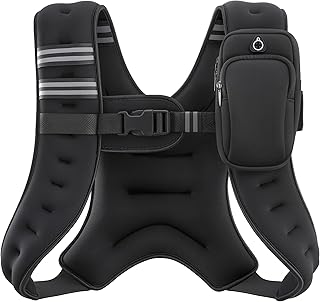
If you want to increase intensity without running, add a weighted vest. The ZELUS Weighted Vest (available in 6–30 lbs) forces your body to work harder while walking, raising your heart rate and calorie burn without joint impact.
Consistency: The Real Secret to Walking for Fat Loss
You can walk at the perfect speed and time, but if you only do it once a week, the results will be minimal. Consistency is the most important factor. Aim for at least 30–60 minutes of walking most days of the week.
One effective strategy is to break your walks into smaller chunks: three 10-minute walks after each meal. This adds up to 30 minutes of movement and helps regulate blood sugar throughout the day. Another approach is to schedule your walk like an appointment—same time, same route, every day.
When you make walking a non-negotiable daily habit, it becomes part of your NEAT baseline. Over weeks and months, that consistent energy expenditure adds up to real, sustainable fat loss.
How to Make Walking More Effective
If you want to supercharge your walking routine, try these proven tweaks:
- Add an incline: Walk uphill or on a treadmill incline at 5–12%. This boosts calorie burn by 50% or more.
- Use a weighted vest: Increases resistance and strengthens your core and legs. The ZELUS Weighted Vest is lightweight, breathable, and comes with reflective stripes for safety.
- Incorporate arm swings: Pump your arms to engage your upper body and burn more energy.
- Walk on different terrains: Grass, sand, or gravel all require more effort than pavement.
Supplements to Support Your Walking Regimen
While walking does the heavy lifting for fat loss, certain supplements can support your metabolism and help you get more out of your routine. Here are a few that align with a walking-focused approach:
- OLLY Metabolism Gummy Rings – Apple cider vinegar, vitamin B12, and chromium help support energy metabolism and digestive health. Great as a tasty daily gummy.
- Nature’s Bounty Chromium Picolinate – Chromium helps your body metabolize fat, protein, and carbs. A solid addition to any fat loss plan.
- Thermogenic Fat Burner – Brazilian Lean – Contains ingredients that may support thermogenesis and reduce bloating. Priced affordably at $9.99.
- Premium Liquid Collagen with L-Carnitine – Combines collagen for skin and hair with L-carnitine, an amino acid that helps transport fat into cells to be burned for energy.
- Purely Inspired 7-Day Detox Cleanse – A gentle whole-body cleanse that may help reset digestion. Use sparingly, not as a daily supplement.
You can find all of these products on Amazon. Below is a quick comparison of the most popular options.
Comparison Table: Top Supplements to Boost Your Walking Fat Loss
| Product | Price | Rating | Key Features | Buy at Amazon |
|---|---|---|---|---|
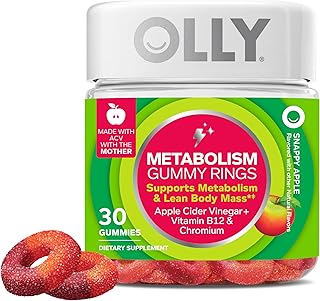 |
$16.97 | 4.3 ★ | ACV, B12, Chromium, chewable gummy | Buy Now |
 |
$7.49 | 4.5 ★ | 800 mcg, mineral metabolism support | Buy Now |
 |
$9.99 | 4.1 ★ | Thermogenic, bloating relief, for men & women | Buy Now |
 |
$26.95 | 4.4 ★ | Collagen + L-Carnitine + Hyaluronic Acid | Buy Now |
 |
$9.99 | 4.2 ★ | Senna leaf, ACV, enzymes, probiotics | Buy Now |
For a more intense approach, prescription weight loss options like Contrave ($50.00) or Zepbound ($25.00) are available through Amazon Pharmacy, but always consult your doctor first.
Frequently Asked Questions
How long should I walk each day to lose weight?
Aim for at least 30 minutes of brisk walking (about 2 miles) daily. If you’re just starting, break it into two 15-minute walks. Gradually increase to 60 minutes for faster results.
Is it better to walk in the morning or evening for fat loss?
Both have benefits. Morning walks on an empty stomach may increase fat oxidation, while after-dinner walks help regulate blood sugar. The best time is the one you can consistently stick to.
Do I need to use a weighted vest?
Not necessary, but it helps. A ZELUS Weighted Vest can boost calorie burn by 30–50% without adding stress to your joints. Start with 6–12 lbs and increase gradually.
Can supplements replace walking?
No. Supplements are meant to support your walking routine, not replace it. Products like OLLY Metabolism Gummy Rings can provide a metabolic edge, but real fat loss comes from consistent movement and a calorie deficit.
How long before I see results from walking?
Many people notice a change in energy and waist circumference within 2–4 weeks, provided they walk consistently 5–6 days a week. Visible fat loss typically takes 4–8 weeks combined with a balanced diet.
Walking is the stealth fat loss tool hiding in plain sight. By dialing in your timing, speed, and consistency—and supporting your journey with smart supplements and gear—you can transform a gentle habit into a powerful weight loss strategy. Lace up your shoes, step outside, and let your feet do the talking.