
Your emergency fund is a financial safety net, not a slush fund. Many people drain their savings by mislabeling wants as needs, and that mistake can cost hundreds of dollars in unnecessary withdrawals and lost interest. Learning when (and when not) to tap your emergency savings is one of the most effective ways to save money and build lasting financial security.
A properly managed emergency fund covers genuine crises—unexpected job loss, medical emergencies, or urgent home repairs—and nothing else. Every unnecessary withdrawal chips away at your buffer and may force you to take on high-interest debt later. This article outlines the most common traps, defines clear rules for using your fund, and shows you how to rebuild after an honest withdrawal.
Table of Contents
What Qualifies as a Real Emergency? (And What Doesn’t)
Before you reach for your cash, ask yourself: “Will this situation cause serious harm to my health, housing, or income if I don’t pay now?”
True emergencies often include:
- Job loss or sudden reduction in income
- Major medical bills not covered by insurance
- Emergency car repairs that prevent you from getting to work
- Critical home repairs (e.g., a broken furnace in winter, a leaking roof)
- Unexpected travel for a family death or illness
Non-emergencies (common misuses):
- Planned vacations or holiday gifts
- Black Friday deals or impulse purchases
- Routine car maintenance (e.g., oil change, new tires)
- Home upgrades like new paint or landscaping
- Dining out, entertainment, or subscription bills
If an expense can be delayed, budgeted for, or paid with a credit card that you can clear within a month, do not touch your emergency fund. Treat it like insurance—you only use it when the alternative is financial disaster.
Common Traps That Drain Your Emergency Savings
Even disciplined savers fall into these traps. Recognizing them helps you protect your fund.
Trap 1: The “Just This Once” Mindset
It starts with a small purchase. “I’ll pay it back next month, just this once.” But without a formal repayment plan, that withdrawal becomes a habit. What began as a $200 withdrawal for concert tickets turns into $2,000 in missing funds when your car breaks down next quarter.
Solution: Keep your emergency savings in a separate, hard-to-access account—ideally one without a debit card. Consider a cash vault or challenge box to create physical friction.
Trap 2: Using Your Fund as a Credit Card Supplement
If you habitually dip into savings to cover credit card bills, you are not managing an emergency—you are managing poor cash flow. Relying on your fund to paper over budget gaps means you will have nothing left when a real crisis hits.
Trap 3: Confusing “Urgency” With “Importance”
A sibling’s wedding next month feels urgent. A 50% off furniture sale feels urgent. But neither is a true emergency. Urgency caused by lack of planning is not an excuse to raid your savings. Plan for known expenses with a separate sinking fund.
Trap 4: Not Rebuilding After a Withdrawal
Many people withdraw for a legitimate emergency but never refill the fund. Six months later, they have half the original balance and are left vulnerable. Without a structured savings challenge or envelope system, rebuilding momentum is difficult.

Rules for Using Your Emergency Fund (The 3‑Question Test)
Before you withdraw, run through these three questions:
| Question | Pass/Fail |
|---|---|
| 1. Is this expense unexpected and urgent? (Cannot be delayed >7 days) | Pass only if yes |
| 2. Would not paying cause immediate harm to my safety, housing, or income? | Pass only if yes |
| 3. Is there any other source of funds (credit card with 0% promo, family loan, side gig) that can cover this? | Pass only if no other option |
Only if all three answers pass should you proceed. For any other scenario, find an alternative.
Real-World Scenarios: When to Use (and When to Wait)
Scenario A: Job Loss ✅
Use emergency fund. You need money for rent, food, and utilities while you search for work. Your fund should cover 3–6 months of essential expenses.
Scenario B: Minor Car Dent ❌
Do not use. A dent doesn’t affect drivability. Save up separately for cosmetic repairs. Use a budgeting binder to track that goal.
Scenario C: Medical Emergency After Deductible ✅
Use emergency fund. You cannot delay surgery or treatment. Pay the deductible and then set up a repayment plan.
Scenario D: New Roof for Rental Property ❌
Do not use unless the roof is actively leaking and causing structural damage. Routine replacement is a capital expense, not an emergency.
Scenario E: Pandemic-Inspired Income Loss ✅
Use emergency fund. This is the original purpose – covering living costs when your income stops.
How to Rebuild Your Emergency Fund After a Withdrawal
Withdrawing for a legitimate emergency is fine, but you must replenish aggressively. Without a plan, your safety net disappears.
Steps to rebuild:
- Pause all non-essential saving (vacation fund, new car fund) until your emergency balance returns.
- Set a specific monthly goal. For example, “I will save $500 per month until I reach my original $5,000 target.”
- Use a visual savings tool to stay motivated. A money saving challenge box or envelope binder creates tangible progress.
- Automate deposits into a separate savings account. Treat it like a bill.
Recommended Products to Help Rebuild
Using a structured challenge or envelope system can make rebuilding easier and more fun. The products below are highly rated for keeping you on track:
Wooden Money Saving Box – Reusable with dry-erase markers and progress trackers. Targets from $500 to $10,000. Perfect for visual savers.
100 Envelopes Money Saving Challenge Binder – A classic way to save $5,050 by filling numbered envelopes. Highly motivating.
10,000 Kakeibo Wooden Challenge Box – A smashable piggy bank that forces you to commit until the goal is reached.
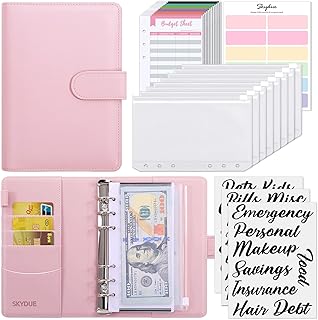
Budget Binder with Zipper Envelopes – Helps you separate emergency fund contributions from other savings goals.
The Hidden Cost of Misusing Your Emergency Fund
Every time you withdraw for a non-emergency, you lose more than cash. You lose:
- Opportunity cost: That money could have earned interest or been invested.
- Psychological security: A depleted fund increases financial stress.
- Penalty risk: Some high-yield savings accounts limit withdrawals; extra fees add up.
A single $1,000 withdrawal for a “must-have” vacation might cost you $60 in lost interest over one year (at 6% APY). That doesn’t sound huge until you realize you also forgo the peace of mind that comes with being fully protected.
Frequently Asked Questions
Q: Can I use my emergency fund for a down payment on a house?
No. A down payment is a planned purchase, not an emergency. Save separately.
Q: What if I need to pay for a family member’s emergency?
It depends. If their crisis threatens your own housing or income (e.g., you are their guarantor), you may need to help. Otherwise, encourage them to use their own fund.
Q: How much should I have in my emergency fund?
Most experts recommend 3–6 months of essential living expenses. If your income is unstable, aim for 6–9 months.
Q: Should I keep my emergency fund in cash or a bank account?
A high-yield savings account or money market account offers liquidity and interest. Physical cash in a fireproof safe is fine for small amounts, but keep most in a bank.
Q: How do I stop myself from misusing the fund?
Use a separate account with no debit card, or a physical savings box that must be broken or unlocked intentionally.
Q: I withdrew for a real emergency. How quickly should I rebuild?
Aim to rebuild within 3–6 months by dedicating a fixed percentage of your income. Use a savings challenge to stay motivated.
Final Takeaway: Protect Your Safety Net
Your emergency fund is one of the most powerful tools in your financial toolkit—but only if you use it correctly. Avoid the common traps of convenience spending, “just this once” withdrawals, and failing to rebuild. By treating your fund with respect and using structured tools like savings challenge boxes or envelope binders, you can save money, reduce stress, and stay ready for life’s real curveballs.
Remember: Every dollar preserved in your emergency fund is a dollar that can save you from debt later. Stick to the rules, and your future self will thank you.