
A few hours after a meal, most of us start thinking about the next snack. That nagging hunger can derail even the best weight loss plans. The secret to staying satisfied longer isn’t just willpower—it’s protein.
Protein is the most satiating macronutrient. By understanding how it works, you can strategically use protein to reduce cravings, lower total calorie intake, and support sustainable weight loss. Whether you’re considering supplements like alli Weight Loss Diet Pills, OLLY Metabolism Gummy Rings, or Premium Liquid Collagen to boost your results, the foundation remains the same: protein triggers powerful fullness signals in your body.
Table of Contents
The Biology of Satiety
Satiety is the feeling of fullness that lasts after eating. It’s controlled by a complex interplay of hormones from your gut and brain. When protein enters your digestive system, it stimulates the release of hormones like PYY (peptide YY) and GLP-1 (glucagon-like peptide-1). These hormones tell your brain, “I’m full,” and slow down the emptying of your stomach.
Carbs and fats also affect satiety, but protein has a much stronger and longer-lasting effect. Even modest increases in protein intake can significantly reduce how much you eat later in the day.
Why Protein Outranks Carbs and Fats
Several mechanisms make protein the champion of fullness:
- Slow digestion: Protein takes longer to break down, keeping you physically full.
- Thermic effect of food (TEF): Your body uses 20–30% of protein calories just to digest it—far more than carbs (5–10%) or fats (0–3%).
- Hormonal signaling: Protein directly triggers appetite-suppressing hormones, while it reduces the hunger hormone ghrelin.
This triple action means a high-protein breakfast (like eggs or Greek yogurt) can keep you satisfied until lunch, while a carb-heavy breakfast may leave you hungry within two hours.
Proven Benefits for Weight Loss
When protein boosts satiety, you naturally eat fewer calories without feeling deprived. Studies consistently show that people who follow higher-protein diets lose more weight and retain more lean muscle compared with those on standard protein intakes.
Key benefits include:
- Reduced cravings for snacks and sweets.
- Preserved metabolism because muscle tissue burns more calories than fat.
- Improved body composition as you lose fat, not muscle.
Even small changes—adding Nature’s Bounty Chromium Picolinate to support protein metabolism—can complement your efforts. Chromium helps your body efficiently use the protein and carbs you eat, making your satiety strategy work better.
Practical High-Protein Satiety Strategies
To harness the satiety power of protein, aim for 25–30 grams of protein at each meal. Simple tweaks include:
- Start your day with a protein-rich breakfast (eggs, cottage cheese, or a shake).
- Include lean protein (chicken, fish, tofu) in lunch and dinner.
- Snack on nuts, edamame, or protein bars between meals.
- Use a protein supplement like Premium Liquid Collagen for an extra dose that also supports hair and skin.
Liquid collagen is easy to add to coffee or smoothies, giving you a convenient satiety boost without extra sugar or calories.
Top Supplements & Tools to Supercharge Your Results
While whole food protein should be your foundation, the right supplements and tools can help you stay on track. The following products address different aspects of weight loss—from metabolism support to exercise performance.
Below is a comparison of popular options. Click any product image to see it on Amazon.
| Product | Price | Rating | Key Feature | Buy at Amazon |
|---|---|---|---|---|
| alli Weight Loss Diet Pills | $65.99 | 4.2 | Blocks fat absorption from meals |  |
| Nature’s Bounty Chromium Picolinate | $7.49 | 4.5 | Supports fat, protein & sugar metabolism |  |
| OLLY Metabolism Gummy Rings | $16.97 | 4.3 | Apple cider vinegar + chromium for digestion | 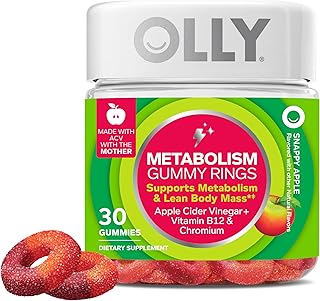 |
| Premium Liquid Collagen | $26.95 | 4.4 | Multi-collagen + hyaluronic acid for satiety & beauty |  |
| ZELUS Weighted Vest | $28.98 | 4.6 | Add extra intensity to walks & strength training | 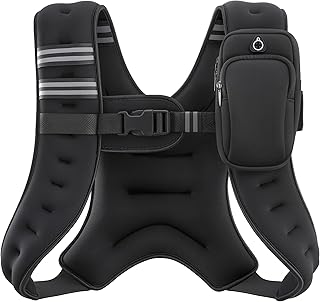 |
| Purely Inspired 7-Day Detox Cleanse | $9.99 | 4.2 | Whole body cleanse with senna leaf & probiotics |  |
| Thermogenic Fat Burner Brazilian Lean | $9.99 | 4.1 | Thermogenic formula to support energy & bloating |  |
| Phendimetrazine (Prescription) | $4.00 | – | Appetite suppressant for short-term use |  |
| Zepbound (Prescription) | $25.00 | – | GIP/GLP-1 receptor agonist for weight management |  |
| Contrave (Prescription) | $50.00 | – | Bupropion/naltrexone combination for appetite control |  |
Note: Prescription products (Phendimetrazine, Zepbound, Contrave) should only be used under medical supervision. They are included for reference.
Adding a ZELUS Weighted Vest to your daily walk can increase calorie burn while you preserve muscle—a perfect partner to a high-protein diet.
Frequently Asked Questions
How much protein do I need to feel full longer?
Most research suggests 25–35 grams of protein per meal is optimal for satiety. Spread that across three meals and one snack to maintain fullness throughout the day.
Can protein supplements replace whole food protein?
Supplements like Premium Liquid Collagen are convenient, but whole foods provide additional nutrients like fiber and micronutrients. Use supplements to fill gaps, not replace real food.
Are there side effects from using products like alli or thermogenics?
alli can cause gastrointestinal changes if you eat too much fat. Thermogenic Fat Burner Brazilian Lean may cause jitters in caffeine-sensitive individuals. Always read labels and consult your doctor before starting any supplement.
Will a weighted vest help me lose weight faster?
Yes, when combined with a protein-rich diet, a ZELUS Weighted Vest increases the intensity of walking or running, burning more calories and supporting muscle maintenance.
Conclusion
Protein is nature’s most powerful satiety tool. By prioritizing it at every meal and using smart supplements or tools like OLLY Metabolism Gummies, Nature’s Bounty Chromium, or a ZELUS Weighted Vest, you can control hunger, stay consistent, and achieve lasting weight loss.
Remember, satiety science isn’t about deprivation—it’s about working with your body’s biology. Eat protein, feel full, and watch the results follow.