
Becoming a parent changes everything. The first three months can feel isolating, overwhelming, and lonely—even when you’re surrounded by baby gear and well-meaning advice. You need more than a sleep schedule or a feeding plan. You need your people.
Building a parenting support system in the first 90 days isn’t optional. It’s the foundation for your mental health, your confidence, and your child’s development. The good news? You don’t have to figure it out alone. Here’s exactly how to find, nurture, and lean on a community that truly supports you.
Table of Contents
Why the First 90 Days Matter Most
The postpartum period is a critical window for bonding—and for building resilience. Isolation during this time increases the risk of postpartum depression and anxiety. A solid support network buffers stress and helps you adjust to your new identity.

One powerful resource for understanding this season is the book Parenting: 14 Gospel Principles That Can Radically Change Your Family (with Study Questions). It offers a framework for intentional parenting that starts with connection—both to your values and to others.
Types of Support Systems You Can Build
A strong parenting support system has multiple layers. You don’t need just one friend. You need a web of support.
- Emotional support – someone who listens without judgment.
- Practical help – meal trains, babysitting swaps, errand runners.
- Informational guidance – other parents, professionals, or trusted books.
- Community belonging – groups that share your values or lifestyle.
Each type fills a different gap. The first 90 days are the perfect time to start weaving these threads.
How to Find Your People: A Step-by-Step Plan
1. Start with what you already have
Look at your existing network: friends, family, coworkers, neighbors. Reach out with a simple ask. Many people want to help but don’t know how. Say, “I’m in the thick of the newborn phase. Could you drop off a meal or text me once a week?”
2. Use local parenting resources
Check hospitals, libraries, and community centers for new parent groups. Many offer free or low-cost meetups. This is how to build a parenting community network without feeling awkward.
3. Join online parenting networks
Choose spaces that are moderated, respectful, and aligned with your parenting style. Look for private Facebook groups, Reddit subs, or apps like Peanut. Avoid toxic “mommy wars” forums. Read more about online parenting networks and how to choose helpful spaces.
4. Attend parenting playgroups or meetups
Even in the first 90 days, you can attend baby-friendly events. You don’t have to be social. Just show up. These casual outings can become real support. For practical tips, check out parenting playgroups and meetups: turning casual outings into real support.
5. Create scripts for asking for help
Many parents freeze when they need support. Use simple scripts: “I’m struggling with sleep deprivation. Can you watch the baby for two hours Saturday?” or “I feel isolated. Want to grab coffee with me and baby?” Learn more from how to ask for help as a parent: scripts that get responses.
Overcoming Barriers to Connection
You might feel too tired, too insecure, or too busy. These barriers are real. But connection is medicine.
- Feeling awkward? Everyone feels awkward at first. Practice small talk about sleep, feeding, or diaper blowouts—it’s a universal language.
- Overwhelmed by isolation? Start with one text or one online group. Tiny steps count. The article parenting isolation help: creating connection when you’re overwhelmed offers actionable strategies.
- Worried about bad advice? Vet sources carefully. Stick to evidence-based information and trusted mentors. Knowing how to choose helpful spaces vs harmful advice protects your mental health.
The Role of Reading and Resources in Building Support
Books can be a lifeline when human support isn’t immediately available. They offer perspective, science, and strategies you can apply right away.
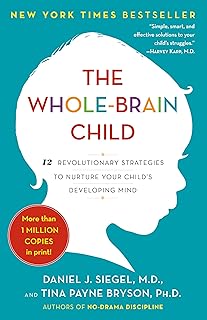
The Whole-Brain Child: 12 Revolutionary Strategies to Nurture Your Child's Developing Mind is a must-read for the first 90 days. It helps you understand your baby’s brain development and gives practical ways to co-regulate through connection. Learning about parenting co-regulation through community complements this book’s approach.
Together with the gospel-centered wisdom of Parenting: 14 Gospel Principles, these resources offer both science and soul care. You can find local parenting resources using this checklist to supplement your reading.
Quick Comparison of Recommended Books
| Product | Price | Rating | Description |
|---|---|---|---|
| Parenting: 14 Gospel Principles That Can Radically Change Your Family | $16.69 | 4.8 | Gospel-centered framework for intentional parenting |
| The Whole-Brain Child | $10.39 | 4.7 | 12 science-based strategies for nurturing your child’s developing mind |
Strengthening Your Whole Network
Your support system isn’t just about you and other new parents. Include partners, siblings, grandparents, and close friends. A family support network can lighten the load immensely. Explore sibling and family support for parenting: strengthening the whole network for practical ways to involve them.
And when hard seasons come—like a colicky baby, a rough recovery, or sleep regression—community builds resilience. The article parenting resilience: using community to recover from hard seasons explains how to lean on your people during crises.
FAQ: Parenting Support Systems in the First 90 Days
What if I have no friends or family nearby?
Start online. Join a reputable new parent group on Facebook or an app like Peanut. Then look for local library story times or breastfeeding support groups—even if you formula feed, many welcome all parents.
How do I avoid feeling judged in parenting groups?
Choose groups with clear rules about non-judgmental support. Avoid spaces that push one “right” way to parent. You can also seek out parenting playgroups and meetups that emphasize connection over comparison.
What if I’m too exhausted to socialize?
Start small. Send a text. Join a silent online group where you just read posts. Even passive connection reduces isolation. Use the scripts from how to ask for help as a parent to make the first move easy.
Are there professional support options?
Yes. Postpartum doulas, lactation consultants, therapists, and parent coaches can form part of your support system. Check finding local parenting resources for a checklist.
How do I balance support from multiple sources?
You don’t have to respond to everyone. Pick two or three people you trust deeply. Let others be casual cheerleaders. Your energy is precious in these 90 days.
Your first 90 days as a parent don’t have to feel like a solo journey. By intentionally building a support system—through local groups, online networks, trusted books, and honest conversations—you create a cushion that catches you on hard days and celebrates you on good ones. You’ve got this. And now, you’ve got your people.