
The average American household spends over $450 per month on groceries, and prices keep climbing. A smart pantry stock strategy slashes that number by turning cheap, shelf-stable ingredients into dozens of meals. By building a low-cost staples list, you stop impulse buying and start cooking with what you already own.
But building a pantry takes a small upfront investment. One powerful tool to help you save for that bulk buy is the Wooden Money Saving Box – a reusable cash vault that keeps your savings visible and motivating. It’s a simple way to set aside just a few dollars each week until you have enough to stock up.

Table of Contents
What Is a Low-Cost Pantry Staples List?
A low-cost pantry staples list is a curated collection of ingredients that are cheap, versatile, and long-lasting. These are the building blocks of hundreds of recipes: rice, beans, pasta, canned tomatoes, spices, oils, and frozen vegetables.
The goal is to have a stocked pantry that lets you throw together a filling meal for under $2 per serving without a trip to the store. This strategy cuts food waste, reduces takeout temptation, and makes meal prep effortless.
The Core Pantry Staples: A Complete Guide
Below is a master table of the most cost-effective staples. Prices are approximate based on bulk buying at discount stores or online.
| Category | Staples | Avg. Bulk Price | Shelf Life |
|---|---|---|---|
| Grains | White rice, rolled oats, pasta, quinoa | $0.50–$1.00/lb | 1–2 years |
| Legumes | Dry lentils, black beans, chickpeas, split peas | $1.00–$1.50/lb | 2–3 years |
| Canned Goods | Tomatoes, coconut milk, tuna, tomato paste | $0.80–$1.50/can | 1–3 years |
| Oils & Fats | Olive oil, vegetable oil, butter (frozen) | $0.10–$0.30/oz | 6 months–1 year |
| Spices & Seasonings | Salt, black pepper, cumin, chili powder, garlic powder | $0.50–$2.00/bottle | 1–3 years |
| Frozen | Broccoli, spinach, mixed vegetables, berries | $1.50–$3.00/lb | 6–12 months |
| Broth & Base | Vegetable/chicken bouillon cubes, soy sauce, vinegar | $0.05–$0.20/serving | 1–2 years |
How to Build Your Low-cost Staples List in 4 Steps
Step 1: Audit Your Current Pantry
Take everything out. Group duplicates. Note what you use often and what you never touch. Donate anything unopened that won’t fit your new plan.
Step 2: Identify Your Go-To Meals
List 5–7 meals you cook regularly (e.g., lentil soup, pasta with marinara, rice and beans, stir-fry). Write down the ingredients and check which are staples. This reveals your true needs.
Step 3: Plan a Bulk Buy Budget
Set aside $50–$100 for your initial stock-up. Use a tool like the NICOOTH 100 Envelopes Money Saving Binder to track exactly how much you’re saving each week toward that goal. The visual progress keeps you disciplined.

Step 4: Shop in Phases
- Week 1: Grains, legumes, spices.
- Week 2: Canned goods and oils.
- Week 3: Frozen veggies and broth.
- Week 4: Any perishable backups (onions, garlic, potatoes).
Storage and Organization: Keep Your Staples Fresh
Proper storage prevents waste and saves money. Follow these rules:
- Dry grains and legumes go in airtight glass or plastic containers.
- Spices stay in a cool, dark cabinet away from the stove.
- Frozen vegetables last longest when kept at 0°F or below.
- Label everything with the purchase date and expected expiry.
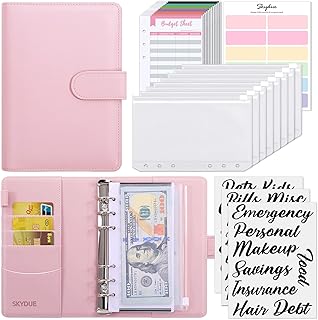
A budget binder helps you track what you have and what you need. The SKYDUE Budget Binder includes cash envelopes and expense sheets, so you can allocate a specific amount each month for pantry restocking. No more overspending on extras.
Meal Planning with Your Staples: Cheap and Delicious Meals
Once your pantry is stocked, you can create endless meals. Here are three cheap, high-protein examples:
1. Classic Lentil Soup
- Ingredients: Lentils, onion, garlic, canned tomatoes, vegetable broth, cumin.
- Cost per serving: $0.85
- Prep time: 35 minutes
2. 20-Minute Black Bean Tacos
- Ingredients: Canned black beans, tortillas, chili powder, frozen corn, salsa.
- Cost per serving: $1.10
- Prep time: 20 minutes
3. One-Pot Pasta with Marinara
- Ingredients: Pasta, canned crushed tomatoes, olive oil, garlic, dried oregano.
- Cost per serving: $0.95
- Prep time: 15 minutes
Tools to Support Your Pantry Savings Goals
Building a low-cost pantry is a financial discipline. The right tools make it easier. Consider these Amazon best-sellers:
Wooden Money Saving Box – Perfect for stashing cash specifically for bulk buys. See your progress build visually.
100 Envelopes Money Saving Challenge Binder – A proven system to save $5,050 in a year. Use it to fund your entire pantry overhaul.
KYODOLED Cash Box with Key Lock – Great for keeping cash reserved for grocery runs or farmers' market trips.
Comparison Table of Top Savings Tools
| Product | Price | Rating | Best For |
|---|---|---|---|
| Wooden Money Saving Box | $16.99 | 4.6 | Visual cash saving |
| 100 Envelope Binder (Black) | $8.99 | 4.7 | Long-term goal tracking |
| SKYDUE Budget Binder | $8.98 | 4.7 | Monthly grocery budgeting |
| 10000 Kakeibo Wooden Box | $7.99 | 4.4 | Large savings targets |
Pro tip: Link your pantry stock strategy to a savings challenge. For example, start the 100 Envelopes Money Saving Challenge and allocate 10% of each envelope toward bulk pantry buys. By the end, you’ll have both a fully stocked pantry and a $5,050 savings milestone.

FAQ: Low-cost Pantry Staples for Cheaper Meals
What are the cheapest pantry staples to buy in bulk?
Rice, dry lentils, rolled oats, pasta, and canned tomatoes offer the lowest cost per serving. Buying these in 10–20 lb bags can cut your per-meal cost to under $1.
How much should I spend on a starter pantry?
A beginner pantry stock-up can cost between $50 and $100. Focus on 5–10 core staples, then add more over the next month as your budget allows.
Can I really eat healthy with only pantry staples?
Absolutely. Lentils, brown rice, canned fish, frozen vegetables, and spices provide balanced nutrition. You can cook high-protein, high-fiber meals without fresh meat or produce.
How do I avoid food waste with a stocked pantry?
First in, first out. Rotate older items to the front. Keep a printed inventory list on your fridge or in a budget binder to track expiration dates. Use frozen veggies before they thaw.
Conclusion
A low-cost pantry stock strategy is the single most effective way to cut your grocery bill without sacrificing flavor or nutrition. By curating a versatile staples list, buying in bulk, and using simple savings tools, you can transform your kitchen into a money-saving engine.
Start with one bulk purchase this week. Save $20 in a Wooden Money Saving Box and buy a 20-lb bag of rice. Next week, add lentils. In a month, you’ll wonder why you ever spent so much on groceries.