
You crushed your weight loss goal. The scale finally shows the number you worked for. But now the real challenge begins—keeping it off without feeling like you’re dieting forever. That’s where maintenance calories come in.
Think of maintenance calories as your body’s personal “set point” zone. It’s the daily energy intake that allows you to stay exactly where you are—no gain, no loss. Finding yours isn’t guesswork; it’s a science that, once mastered, transforms weight maintenance from a battle into a sustainable lifestyle.
This guide walks you through everything: what maintenance calories are, how to calculate your range, and which tools—from supplements to smart equipment—can help you stay on track. Let’s make the “keep it off” phase your easiest yet.
Table of Contents
What Are Maintenance Calories?
Maintenance calories equal the total energy your body burns in a day, including resting metabolism, physical activity, and digestion. When you eat this number, your weight stays stable. It’s the balance point between surplus (gain) and deficit (loss).
Your maintenance range isn’t a single magic number. It fluctuates due to activity, stress, sleep, and even changes in muscle mass. That’s why we call it a range—a zone where you can eat freely without worrying about regaining the weight you worked so hard to lose.
Why Finding Your Range Matters for Long‑Term Success
After weight loss, your metabolism often slows down. Your body is smaller and more efficient, so your old “normal” eating habits can cause rapid regain. Knowing your personal maintenance range prevents that yo‑yo cycle.
- Prevents metabolic rebound: Eating at your new set point lets your metabolism recalibrate.
- Reduces diet fatigue: You can enjoy treats without guilt when you understand your limits.
- Builds confidence: You learn to trust your body and food choices.
How to Calculate Your Maintenance Calories
Start with a simple formula, then adjust based on real life. Your Total Daily Energy Expenditure (TDEE) is a great baseline.
| Activity Level | Multiplier |
|---|---|
| Sedentary (little exercise) | BMR × 1.2 |
| Lightly active (1–3 days/week) | BMR × 1.375 |
| Moderately active (3–5 days/week) | BMR × 1.55 |
| Very active (6–7 days/week) | BMR × 1.725 |
Step 1: Calculate your BMR (using the Mifflin‑St Jeor equation):
- Men: (10 × weight in kg) + (6.25 × height in cm) – (5 × age) + 5
- Women: (10 × weight in kg) + (6.25 × height in cm) – (5 × age) – 161
Step 2: Multiply by your activity factor to get your estimated TDEE.
For example, a 30‑year‑old woman weighing 68 kg (150 lbs) and 165 cm (5'5") with moderate activity:
- BMR ≈ (10×68) + (6.25×165) – (5×30) – 161 = 680 + 1031 – 150 – 161 = 1400 calories
- TDEE ≈ 1400 × 1.55 = 2170 calories
This is only an estimate. The real test comes when you eat at that level and watch the scale for two weeks.
Adjusting Your Range Over Time
Your maintenance calories aren’t static. As you gain muscle or age, your metabolic rate shifts. Use these checkpoints:
- Weigh yourself weekly – if weight trends up for 3+ weeks, trim calories by 100–150.
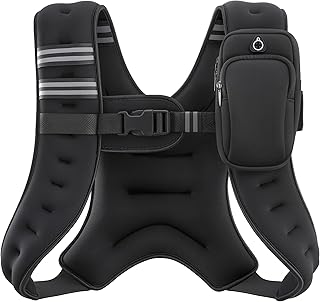
- Increase activity – adding a weighted vest like the ZELUS Weighted Vest can boost your daily burn without changing your diet.
- Listen to hunger cues – eating intuitively within your range becomes easier with practice.
Tools to Support Your Maintenance Phase
While food is the foundation, certain products can help you manage cravings, support metabolism, and make exercise more effective. Here are researched options from the market.
Metabolism Boosters and Appetite Control

OLLY Metabolism Gummy Rings combine apple cider vinegar, vitamin B12, and chromium to support energy and digestive health. They’re a tasty way to give your metabolism a gentle nudge during maintenance. Chromium, also found in Nature's Bounty Chromium Picolinate, helps stabilize blood sugar, which can reduce cravings.

For those who want an extra edge, Phendimetrazine and Contrave are prescription appetite suppressants. At $4.00, Phendimetrazine is affordable, while Contrave uses a dual‑mechanism to curb cravings. Another option is Zepbound, a newer injectable that has shown significant results for weight management.

Fat Burners and Thermogenics
Thermogenic Fat Burner Brazilian Lean is a popular pick for women aiming to support metabolism and reduce bloating. At $9.99, it’s a budget‑friendly way to boost calorie burn slightly.

Another option is alli Weight Loss Diet Pills (Orlistat 60 mg), which blocks dietary fat absorption. While more suited during active weight loss, it can also be used occasionally during maintenance to counteract high‑fat meals.

Beauty and Detox Support
Premium Liquid Collagen with hyaluronic acid, biotin, and L‑carnitine supports skin elasticity and can aid metabolism. Purely Inspired 7-Day Detox Cleanse helps reset your digestive system, which may improve how your body processes calories.


Boost Your Daily Burn with a Weighted Vest
Walking with a weighted vest increases calorie expenditure without feeling like extra exercise. The ZELUS Weighted Vest comes in weights from 6 to 30 lbs and has reflective stripes for safety.
Product Comparison at a Glance
| Product | Price | Rating | Key Benefit | Buy at Amazon |
|---|---|---|---|---|
| OLLY Metabolism Gummy Rings | $16.97 | 4.3 ⭐ | Metabolism & energy support | |
| Nature's Bounty Chromium Picolinate | $7.49 | 4.5 ⭐ | Blood sugar & carb metabolism | |
| Phendimetrazine | $4.00 | N/A | Appetite suppressant (Rx) |  |
| Contrave | $50.00 | N/A | Dual‑mechanism appetite control (Rx) |  |
| Zepbound | $25.00 | N/A | Injectable weight management (Rx) | |
| alli Weight Loss Pills | $65.99 | 4.2 ⭐ | Blocks dietary fat | |
| Brazilian Lean Thermogenic | $9.99 | 4.1 ⭐ | Thermogenesis & bloating relief | |
| Premium Liquid Collagen | $26.95 | 4.4 ⭐ | Collagen + L‑carnitine for metabolism & beauty | |
| Purely Inspired 7-Day Detox | $9.99 | 4.2 ⭐ | Whole body cleanse & digestion | |
| ZELUS Weighted Vest | $28.98 | 4.6 ⭐ | Increase calorie burn during walks | |
Practical Tips to Stay in Your Maintenance Zone
- Track food for two weeks after hitting your goal to dial in your average intake.
- Prioritize protein – it boosts thermogenesis and keeps you full.
- Stay active – even 30 minutes of brisk walking with the ZELUS Weighted Vest can increase daily burn by 100–200 calories.
- Use supplements strategically – OLLY Metabolism Gummy Rings or Nature's Bounty Chromium Picolinate can help when cravings spike.
Frequently Asked Questions
1. How long does it take to find my maintenance calories?
About two weeks of consistent tracking. Eat at your estimated TDEE, weigh yourself weekly, and adjust up or down by 100 calories if your weight drifts.
2. Can I use metabolism boosters every day?
Most supplements like alli are meant for short‑term use. Always check label directions and consult a doctor for prescription products.
3. Do I need to count calories forever?
No. Once you learn portion control with your maintenance range, many people transition to intuitive eating within that zone.
4. Is a weighted vest safe for daily use?
Yes, especially under 10% of your body weight. Start with lighter loads and increase gradually.
5. How do prescription options fit into maintenance?
They are tools, not crutches. Contrave and Zepbound can support long‑term maintenance under medical guidance.
Your personal “keep it off” range is waiting to be discovered. Use the math, listen to your body, and lean on smart tools when needed. Weight loss is the sprint; maintenance is the lifelong race you were built to run.
Now go find your range—and enjoy the freedom that comes with it.