
Tracking workout progress during a fat loss phase can feel confusing. The scale doesn’t always move in a straight line, and muscle gain can mask fat loss. If you’re tired of guesswork and want sustainable results, you need a smarter system.
This guide breaks down exactly what to measure and how to interpret the data so you stay motivated and on track. We’ll also look at tools and supplements that can support your journey—always as part of a balanced plan, not a fad.
Table of Contents
Why Traditional Tracking Falls Short for Fat Loss
Most people only weigh themselves and get discouraged. But body weight fluctuates with water, food, and hormones. When you’re focused on fat loss, the scale is just one piece of the puzzle.
You need metrics that reflect body composition changes. Muscle is denser than fat, so you can look leaner even if the number stays the same. That’s why we recommend a multi‑metric approach.
5 Key Metrics That Actually Matter
1. Body Measurements (Tape Measure)
Measure your waist, hips, chest, arms, and thighs weekly. Losing inches while weight stays steady means you’re losing fat and gaining muscle. This is your most reliable progress indicator.
2. Progress Photos
Take front, side, and back photos in consistent lighting every two weeks. Visual changes often show up before the scale budges. Compare the photos side by side to see your real transformation.
3. Body Fat Percentage
Use calipers, a bioelectrical impedance scale, or a DEXA scan if available. A downward trend in body fat % confirms fat loss even if scale weight plateaus.
4. Workout Performance (Progressive Overload)
Track your lifts, reps, and endurance. If you’re getting stronger or lasting longer, it’s a sign your body is adapting. Fat loss should not mean losing strength—good programming prevents that.
5. Energy, Sleep, and Mood
These non‑scale victories matter. If you feel energetic, sleep well, and stay positive, your fat loss approach is sustainable. Chronic fatigue or poor sleep may indicate you’re cutting calories too hard.
Tools to Simplify Tracking
- Fitness apps: MyFitnessPal, MacroFactor, or Strong for logging workouts and food
- Smart scales: Show body fat %, muscle mass, and weight trends
- Journal: Write down how you feel each day—patterns emerge
Pro tip: Take measurements and photos at the same time of day (e.g., Monday morning after waking) for consistency.
Supplements and Gear That Can Support Your Fat Loss
While exercise and nutrition are the foundation, certain products can help optimise energy, metabolism, and recovery. Below are some well‑reviewed options available on Amazon. Always consult a professional before starting any supplement.

Thermogenic Fat Burner Brazilian Lean – $9.99 – 4.1★ (5,000 reviews)
Helps boost metabolism and reduce bloating. Contains natural thermogenics to support your fat loss efforts.

Nature's Bounty Chromium Picolinate – $7.49 – 4.5★ (8,600 reviews)
Supports fat, protein, and sugar metabolism. A mineral supplement that helps your body use nutrients efficiently.

alli Weight Loss Diet Pills (Orlistat 60 mg) – $65.99 – 4.2★ (28,600 reviews)
FDA‑approved non‑prescription weight loss aid. Blocks some dietary fat absorption to enhance calorie deficit.
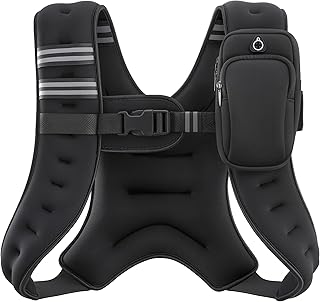
ZELUS Weighted Vest – $28.98 – 4.6★ (15,900 reviews)
Add resistance to bodyweight exercises and walking. Boosts calorie burn and builds lean muscle.

Purely Inspired 7-Day Detox Cleanse – $9.99 – 4.2★ (11,000 reviews)
Whole body cleanse with senna leaf, ACV, and probiotics. Can reduce bloating and support digestion during a fat loss phase.
Comparison Table: Top Supplements for Fat Loss
| Product | Price | Rating | Key Benefit | Buy at Amazon |
|---|---|---|---|---|
|
$9.99 | 4.1★ | Thermogenic fat burner, reduces bloating | Buy Now |
|
$7.49 | 4.5★ | Supports fat & carb metabolism | Buy Now |
|
$65.99 | 4.2★ | Blocks dietary fat absorption | Buy Now |
|
$9.99 | 4.2★ | Digestive cleanse, reduces bloat | Buy Now |
How to Use This Data to Adjust Your Workout and Diet
Track your metrics weekly and look at trends over 4 weeks, not day‑to‑day. If body fat % drops and performance holds steady, you’re on track. If you lose strength or energy, consider increasing calories slightly or reducing cardio.
Weekly check‑in routine:
- Monday morning: weigh‑in + measurements
- Every two weeks: progress photo
- Log all workouts and note energy levels
If you hit a plateau for 3+ weeks, add a refeed day or change your training split. The goal is slow, steady fat loss (0.5–1% of body weight per week) without losing muscle.
FAQ: Tracking Fat Loss Progress
Q: How often should I weigh myself?
A: Once per week, same time/day. Daily weight fluctuates too much.
Q: Should I only use the scale?
A: No. Combine scale with measurements, photos, and body fat % for the full picture.
Q: Can supplements like alli or thermogenics replace diet and exercise?
A: No. They are aids, not substitutes. Always pair with a calorie deficit and structured training.
Q: What if my weight goes up but my waist gets smaller?
A: That’s a good sign—you’re gaining muscle and losing fat. Trust the measurements.
Q: Is a weighted vest helpful for fat loss?
A: Yes, ZELUS Weighted Vest adds resistance, increasing calorie burn and muscle maintenance.
Final Thoughts
Tracking fat loss progress isn’t about obsessing over daily numbers. It’s about collecting data that confirms you’re moving in the right direction—even when the scale disagrees.
Use a combination of measurements, photos, performance, and how you feel. Add tools like a ZELUS Weighted Vest to increase intensity, or a supplement like Nature's Bounty Chromium Picolinate to support metabolism. Stay consistent, and the results will follow.
Remember: fat loss is a marathon, not a sprint. Track smart, stay patient, and celebrate every win—on the scale and off it.