
You've tried the juice cleanses, the keto resets, and the "lose 10 pounds in 10 days" challenges. You lost weight, then gained it back — plus a little extra. This isn't your fault. It's the diet cycle. The world sells you a quick fix, but your body craves consistency.
Sustainable weight loss isn't about suffering through another temporary diet. It's about building a lifestyle that supports your health for the long haul. The goal is not to shrink yourself by a deadline, but to expand your well-being for a lifetime.
This article will show you how to reframe your mindset, step by step, so you can stop chasing results and start living your transformation.
Table of Contents
Why Diets Fail — The Psychology of Restriction
Restrictive diets work in the short term because they create a calorie deficit. But they also trigger a psychological phenomenon called "the scarcity effect." When you tell yourself a food is forbidden, you want it more. Eventually, willpower breaks, and you binge.
The data backs this up. According to research, up to 95% of dieters regain lost weight within 1–5 years. Why? Because a diet is a temporary rule set. A lifestyle is a permanent identity shift.
Instead of asking "What diet should I follow?" ask yourself: "What kind of person do I want to become?"
Step 1 — Reframe Your Identity
The first step to building a lifestyle is changing your self-story. Stop saying "I'm on a diet." Start saying "I'm a person who nourishes my body."
| Old Identity | New Identity |
|---|---|
| "I'm trying to lose weight" | "I'm building healthy habits" |
| "I can't eat that" | "I choose foods that fuel me" |
| "I failed at my diet" | "I learned what doesn't work" |
This mental shift makes the difference between temporary effort and permanent change. When your identity aligns with your actions, the behavior becomes automatic.
Step 2 — Focus on Habits, Not Outcomes
Scales are liars. Water weight, time of day, and even your last meal can skew the number. Instead of obsessing over a target weight, focus on non-scale victories:
- More energy throughout the day
- Better sleep quality
- Clothes fitting more comfortably
- Improved mood and mental clarity
- Increased strength and stamina
Action step: Pick three small habits you can do every day — like drinking 8 glasses of water, walking for 20 minutes, or eating a vegetable with every meal. Do them for 30 days before adding more. Consistency beats intensity every time.
Step 3 — Build a Supportive Environment
Your environment shapes your behavior more than your willpower. If your kitchen is filled with processed snacks, you'll eat them. If your living room has a yoga mat in plain sight, you'll stretch.
Environmental changes that work:
- Keep a water bottle on your desk at all times
- Pre-portion healthy snacks in clear containers
- Place your workout clothes next to your bed the night before
- Remove trigger foods from the house entirely
Your space should make healthy choices easy and unhealthy choices inconvenient.
Step 4 — Embrace Flexibility and Self-Compassion
Perfection is the enemy of progress. You will miss a workout. You will eat a slice of cake. That's not failure — that's being human.
The most successful lifestyle builders use the "80/20 rule": Eat nutritious foods 80% of the time and allow yourself flexibility for the other 20%. This prevents the binge-restrict cycle and keeps your relationship with food positive.
When you slip, ask yourself: "What can I learn from this?" Then get back to your habits immediately. One bad day doesn't ruin a lifestyle.
Products That Support Your Lifestyle Journey
While no pill replaces a healthy lifestyle, certain products can support your efforts by boosting metabolism, curbing cravings, or making workouts more effective. Below are options that complement a sustainable approach.
Support Your Metabolism

Nature's Bounty Chromium Picolinate — $7.49 — Rating: 4.5 — Supports fat, protein, and sugar metabolism. A small, affordable addition to your daily routine.
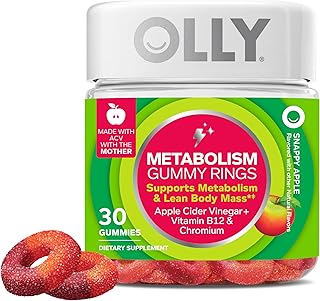
OLLY Metabolism Gummy Rings — $16.97 — Rating: 4.3 — Apple cider vinegar, vitamin B12, and chromium in a tasty gummy. Supports energy and digestion.

Thermogenic Fat Burner Brazilian Lean — $9.99 — Rating: 4.1 — A thermogenic blend designed for bloating and waist support.
Weight Management Aids

alli Weight Loss Diet Pills — $65.99 — Rating: 4.2 — Non-prescription orlistat that blocks fat absorption. Best used under medical guidance as part of a balanced diet.

Phendimetrazine — $4.00 — Prescription appetite suppressant. Consult your doctor before use.

Zepbound — $25.00 — Prescription injectable for chronic weight management. Requires medical supervision.

Contrave — $50.00 — Prescription combination therapy to reduce appetite and cravings.
Detox & Beauty Support

Purely Inspired 7-Day Detox Cleanse — $9.99 — Rating: 4.2 — A gentle 7-day program with apple cider vinegar, probiotics, and vitamin C.

Premium Liquid Collagen — $26.95 — Rating: 4.4 — Collagen with hyaluronic acid, biotin, and L-carnitine for weight loss and beauty benefits.
Fitness Gear
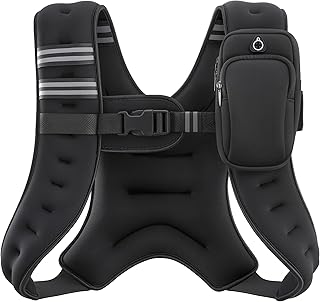
ZELUS Weighted Vest — $28.98 — Rating: 4.6 — Adjustable weight vest for walking, running, or strength training. Boosts calorie burn without high impact.
Product Comparison Table
| Product | Price | Rating | Key Benefit | Buy at Amazon |
|---|---|---|---|---|
| Nature's Bounty Chromium | $7.49 | 4.5 | Metabolism support | |
| OLLY Metabolism Gummies | $16.97 | 4.3 | Energy & digestion | |
| Brazilian Lean Fat Burner | $9.99 | 4.1 | Thermogenic / bloating | |
| alli (Orlistat) | $65.99 | 4.2 | Blocks fat absorption | |
| Phendimetrazine (Rx) | $4.00 | — | Appetite suppression (Rx) | |
| Zepbound (Rx) | $25.00 | — | Chronic weight management (Rx) | |
| Contrave (Rx) | $50.00 | — | Reduces cravings (Rx) | |
| Purely Inspired Detox | $9.99 | 4.2 | 7-day gentle cleanse | |
| Premium Liquid Collagen | $26.95 | 4.4 | Hair/skin + weight support | |
| ZELUS Weighted Vest | $28.98 | 4.6 | Boosts workout intensity | |
FAQ
How long does it take to build a lifestyle instead of a temporary diet?
Most research suggests it takes 66 to 254 days for a behavior to become automatic. Focus on small, consistent actions for at least two months before evaluating your progress. The goal is to make healthy choices feel effortless over time.
Can I still eat my favorite foods while building a healthy lifestyle?
Absolutely. A sustainable lifestyle includes flexibility. The 80/20 rule is a powerful guideline: nourish your body with whole foods 80% of the time, and allow yourself treats for the remaining 20%. This prevents feelings of deprivation and reduces binge risk.
Do weight loss supplements really work?
Some supplements, like alli (orlistat), have clinical evidence for fat absorption blocking. Others, like chromium picolinate, support metabolism but are not miracle solutions. Supplements work best when paired with a healthy diet and regular movement.
What is the most important habit for long-term weight management?
Consistency in nutrition is the foundation. You cannot out-exercise a poor diet. Start by eating more whole foods: vegetables, lean protein, healthy fats, and complex carbohydrates. Add movement next, then prioritize sleep and stress management.
Should I try prescription weight loss medications?
Prescription options like Phendimetrazine, Zepbound, or Contrave can be effective for individuals with obesity or weight-related medical conditions. They should only be used under the supervision of a healthcare provider as part of a comprehensive weight management plan.
Building a lifestyle, not a temporary diet, is the only path to lasting change. Start by shifting your identity, focusing on small habits, and creating an environment that supports your goals. Use supplements and tools as helpers, not crutches.
Your journey isn't about reaching a finish line — it's about becoming the person who thrives every day.