
You know that feeling. You eat a meal, but within an hour your stomach is growling again. You reach for a snack, then another. Before you know it, you’ve consumed hundreds of extra calories without feeling satisfied. The problem isn’t willpower — it’s a lack of nutritional balance.
Satiety isn’t just about fullness. It’s about lasting energy and freedom from constant cravings. When you learn to balance protein, fiber, and fat in every meal, you unlock a natural way to control hunger, support weight loss, and feel in control of your eating habits. This is personal development at the table.
Table of Contents
Why the Satiety Triad Matters for Weight Loss
High-protein diets are a proven satiety strategy, but protein alone isn’t enough. Your body needs a trio of nutrients to signal fullness properly. Protein triggers hormones like PYY and GLP-1 that tell your brain “I’m full.” Fiber adds bulk and slows digestion. Fat adds richness and triggers cholecystokinin (CCK), another satiety hormone.
When you combine them, you get a powerful anti-hunger effect. A 2017 study in the Journal of the American College of Nutrition found that meals high in protein and fiber reduced subsequent calorie intake by 20% compared to low-fiber, low-protein meals. This is the foundation for sustainable weight loss without deprivation.
The Role of Protein
Protein is the most satiating macronutrient. It takes more energy to digest, keeps blood sugar stable, and preserves lean muscle during weight loss. Aim for 25–35 grams per meal from sources like eggs, Greek yogurt, chicken, fish, tofu, or quality protein powders.
Tip: Spaces out protein across the day. A 2018 study in Nutrition Reviews showed that splitting protein evenly (30g per meal) leads to better appetite control than eating most of it at dinner.
The Role of Fiber
Fiber absorbs water and expands in your stomach, creating physical fullness. It also feeds your gut microbiome, which influences hunger signals. Adults should aim for 25–38 grams daily. Great sources include vegetables, legumes, whole grains, chia seeds, and berries.
Soluble fiber (oats, apples, beans) is especially effective at slowing gastric emptying. Insoluble fiber (leafy greens, nuts) adds bulk. Both work together.
The Role of Fat
Healthy fats like avocado, olive oil, nuts, and fatty fish add flavor and satiety. Fat slows digestion and triggers CCK release. Don’t fear it — just keep portions reasonable. A tablespoon of olive oil on your salad or half an avocado with your eggs can mean hours of satisfaction.
How to Balance All Three in Every Meal
The magic ratio for satiety is roughly 30% protein, 30% fat, 40% carbs (with 15–20g fiber) per meal. Here’s how to build your plate:
- Start with protein. Choose your main source (chicken, fish, tofu, etc.) and cook it first.
- Add vegetables. Fill half your plate with non-starchy veggies for fiber and volume.
- Include a healthy fat. Drizzle olive oil, add nuts, or use avocado.
- Choose a complex carb. Quinoa, sweet potato, or brown rice provide extra fiber and energy.
Example satiety bowl: Grilled salmon (protein + fat) + roasted broccoli (fiber) + quinoa (carb) + tahini dressing (fat). That’s a meal that keeps you full for 4–5 hours.
Practical Tips for Everyday
- Eat veggies first. A 2015 study found that eating low-calorie vegetables before the main dish reduced overall meal calories by 12%.
- Don’t skip breakfast. A protein-fiber-fat breakfast (scrambled eggs with spinach and avocado) prevents mid-morning binges.
- Snack smart. Apple slices with almond butter (fiber + fat + protein) beats a granola bar every time.
Supplementing Your Satiety Strategy
While whole foods are ideal, certain supplements can support your journey when life gets busy. Let’s look at some well-rated options that complement a balanced diet.
Thermogenic Fat Burner + Waist Trimmer

Brazilian Lean Thermogenic Fat Burner – $9.99, 4.1 stars. Contains green tea extract and cayenne to support metabolism. Use alongside your balanced meals for a gentle thermogenic boost.
Metabolism Support with Chromium

Nature's Bounty Chromium Picolinate – $7.49, 4.5 stars. Chromium helps metabolize fat, protein, and carbs. It may reduce cravings for sugar. Take one tablet daily with your largest meal.
ACV Gummies for Digestion
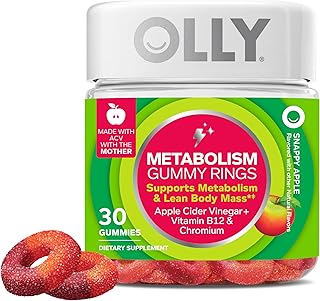
OLLY Metabolism Gummy Rings – $16.97, 4.3 stars. Apple cider vinegar plus B12 and chromium. These gummies support energy and digestive health. Chewable and tasty.
Liquid Collagen for Protein + Beauty

Premium Liquid Collagen Shots – $26.95, 4.4 stars. Provides collagen protein (10g per shot) plus hyaluronic acid, biotin, and L-carnitine. Great for hair, skin, and as a low-calorie protein boost between meals.
Detox Support for a Fresh Start

Purely Inspired 7-Day Detox Cleanse – $9.99, 4.2 stars. Contains senna, vitamin C, and apple cider vinegar. Use as a short-term reset to reduce bloating and kickstart healthier habits.
Comparison Table: Top Satiety Support Supplements
| Product | Price | Rating | Key Benefit | Buy at Amazon |
|---|---|---|---|---|
| Brazilian Lean Thermogenic | $9.99 | 4.1 ⭐ | Boosts metabolism, reduces bloating | |
| Nature's Bounty Chromium | $7.49 | 4.5 ⭐ | Supports fat & protein metabolism | |
| OLLY Metabolism Gummy Rings | $16.97 | 4.3 ⭐ | ACV + B12 + chromium in gummy form | |
| Premium Liquid Collagen | $26.95 | 4.4 ⭐ | Protein + beauty nutrients on the go | |
| Purely Inspired 7-Day Detox | $9.99 | 4.2 ⭐ | Whole body cleanse + probiotics | |
Lifestyle Tools That Pair Perfectly with Your Nutrition
Your satiety strategy extends beyond food. Physical activity amplifies the benefits. A weighted vest like the ZELUS Weighted Vest (available in 6lb to 30lb, 4.6 stars, $28.98) turns a simple walk into a strength-building session. Wearing it during daily chores or walking burns extra calories while preserving muscle — and more muscle means better metabolic health.
For some individuals, medical weight loss aids like alli (orlistat), prescription Zepbound, Contrave, or Phendimetrazine can be part of a doctor-supervised plan.  alli (Orlistat 60mg) blocks some fat absorption and costs $65.99 for 120 capsules. Always consult a healthcare provider before adding any medication.
FAQ: Balancing Protein, Fiber, and Fat for Satiety
1. Can I get enough protein without eating meat?
Absolutely. Plant-based sources like lentils, chickpeas, tofu, edamame, and seitan offer ample protein. Combine them with whole grains (rice + beans) to create complete proteins. A quality pea or brown rice protein powder can also fill gaps.
2. How do I know if I’m getting enough fiber?
Track your intake with an app for a few days. Most adults need 25–38 grams. Signs of insufficient fiber include frequent hunger soon after meals, constipation, and blood sugar swings. Aim for at least 5 servings of vegetables and 2 servings of fruit daily, plus whole grains.
3. Will eating more fat make me gain weight?
No — in fact, healthy fat helps you eat fewer calories overall because it keeps you full. The key is choosing unsaturated fats (olive oil, nuts, avocados, fatty fish) and avoiding trans fats. A teaspoon of olive oil on your veggies adds satiety without derailing weight loss.
Your Satiety Action Plan
Balancing protein, fiber, and fat isn’t a diet — it’s a lifelong skill. Start with one meal. Make your breakfast a satiety powerhouse: eggs + spinach + avocado + a slice of whole-grain toast. Notice how you feel three hours later.
Then build from there. Add a fiber-rich snack like an apple with almond butter. Use a supplement like Nature's Bounty Chromium if sugar cravings persist. Wear a weighted vest during your walks for extra metabolic punch.
Small changes compound. Within a week, you’ll experience fewer cravings, more energy, and a sense of control that transforms your relationship with food. That’s personal development you can taste.