
You’ve tracked every calorie and hit the gym five days a week, yet the scale barely moves. Frustrating, right? Before you blame your metabolism or your workout plan, consider this: your sleep habits might be sabotaging your progress.
Mounting research reveals a direct, powerful link between how long—and how well—you sleep and your ability to lose weight. Sleep isn’t just rest; it’s a biological pillar of weight regulation. In this article, we’ll break down the science behind sleep duration and weight loss, and show you how to use this knowledge to finally see results.
Table of Contents
The Science Behind Sleep and Weight Regulation
Your body doesn’t power down at night—it goes to work. While you sleep, critical hormonal and metabolic processes occur that directly affect your weight.
Hormonal balance is key. Sleep deprivation raises ghrelin, the “hunger hormone,” and lowers leptin, the hormone that signals fullness. This double whammy leaves you feeling hungrier and less satisfied after meals.
At the same time, insufficient sleep increases cortisol—the stress hormone. Elevated cortisol not only triggers cravings for high-sugar, high-fat foods but also encourages fat storage, particularly around the belly.
Metabolism takes a hit too. Studies show that even a single night of poor sleep can reduce your resting metabolic rate by 5–20%. Your body becomes less efficient at burning calories, and insulin sensitivity drops, making it harder to process carbohydrates and easier to store fat.
How Much Sleep Do You Need for Weight Loss?
The sweet spot, according to countless studies, is 7 to 9 hours of quality sleep per night. Anything less than 6 hours consistently is linked to higher body mass index (BMI) and greater difficulty losing fat.
| Sleep Duration | Effect on Weight |
|---|---|
| Less than 6 hours | Increased ghrelin, decreased leptin, higher cortisol, metabolic slowdown |
| 6–7 hours | Moderate hormonal disruption; weight loss still possible but slower |
| 7–9 hours | Optimal hormone regulation, stable metabolism, best weight loss outcomes |
| More than 9 hours | May indicate underlying health issues; not shown to improve weight loss |
Short sleepers (under 6 hours) tend to eat 300–500 more calories per day than those who sleep 7–9 hours. Those extra calories can easily erase a calorie deficit.
Oversleeping (more than 9 hours regularly) isn’t harmful per se, but it doesn’t confer extra weight loss benefits. Quality and consistency matter more than total hours.
The Impact of Sleep Deprivation on Appetite and Cravings
Ever noticed how after a bad night’s sleep you reach for a doughnut instead of an apple? That’s not willpower failure—it’s biology.
When you’re sleep-deprived, the brain’s reward centers become more sensitive to food cues. Studies using functional MRI show that sleep-deprived individuals have greater activation in areas associated with reward when viewing high-calorie foods. Meanwhile, the prefrontal cortex—responsible for rational decision-making—shows reduced activity.
The result: you crave junk food, and your ability to resist is weakened. Even if you manage to stick to your diet, the hormonal changes make weight loss slower and more difficult.
A 2020 meta-analysis published in the European Journal of Clinical Nutrition found that people who slept less than 7 hours per night had a 55% higher likelihood of obesity compared to those who slept 7–9 hours.
Sleep, Stress, and Cortisol
Chronic sleep deprivation keeps your stress response on high alert. Cortisol levels remain elevated, signaling your body to conserve energy and store fat—especially visceral fat around the organs.
High cortisol also breaks down muscle tissue, which lowers your resting metabolic rate. Less muscle means you burn fewer calories even when sitting still.
Break the cycle: Prioritizing sleep lowers cortisol naturally. When you sleep well, your body releases growth hormone, which supports muscle repair and fat metabolism. This is why consistent sleep is often the missing link for people who exercise and eat right but still struggle to lose weight.
Practical Tips to Improve Sleep for Weight Loss
You don’t need a perfect sleep routine overnight, but small changes add up. Here are evidence-based strategies:
- Stick to a consistent schedule. Go to bed and wake up at the same time every day—even weekends. This regulates your circadian rhythm.
- Limit blue light before bed. Put away phones, tablets, and laptops at least one hour before sleep. Blue light suppresses melatonin production.
- Create a cool, dark bedroom. Temperatures around 65°F (18°C) promote deeper sleep.
- Avoid caffeine after 2 p.m. Caffeine has a half-life of 5–6 hours and can disrupt sleep quality.
- Manage evening anxiety. Journaling or a short meditation can lower cortisol before bed.
- Exercise regularly, but not too late. Morning or afternoon workouts improve sleep; intense evening exercise may keep you wired.
Products That Can Support Your Sleep and Weight Loss Journey
While sleep is foundational, the right supplements and tools can give you an extra edge. Below are a few science-backed products that complement a sleep-optimized weight loss plan.
 Nature's Bounty Chromium Picolinate – $7.49 – ⭐ 4.5
Chromium helps metabolize fats, proteins, and carbohydrates. When paired with good sleep, it supports stable blood sugar levels, reducing cravings.
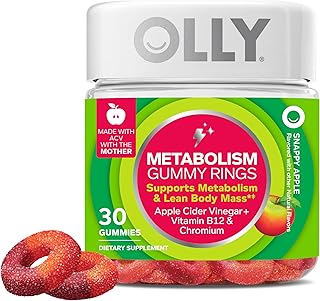 OLLY Metabolism Gummy Rings – $16.97 – ⭐ 4.3
These chewy gummies contain apple cider vinegar, vitamin B12, and chromium to promote energy and digestion. A tasty addition to your morning routine.
 alli Weight Loss Diet Pills – $65.99 – ⭐ 4.2
Orlistat 60 mg blocks some of the fat you eat from being absorbed. Works best when combined with healthy sleep and diet.
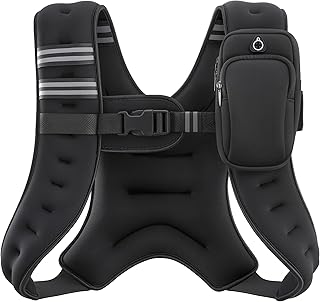 ZELUS Weighted Vest – $28.98 – ⭐ 4.6
Add intensity to walks or strength training without extra time. Burning more calories during the day helps you sleep deeper at night.
 Premium Liquid Collagen – $26.95 – ⭐ 4.4
Combines collagen, hyaluronic acid, and L-carnitine to support beauty and weight. L-carnitine helps transport fat into cells to be burned for energy.
 Purely Inspired 7-Day Detox Cleanse – $9.99 – ⭐ 4.2
A gentle, plant-based cleanse with senna and digestive enzymes. Useful as a reset, but not a substitute for sleep or healthy eating.
 Thermogenic Fat Burner Brazilian Lean – $9.99 – ⭐ 4.1
Contains natural thermogenics to boost metabolism and reduce bloating. Best used with a consistent sleep schedule to avoid overstimulation.
 Phendimetrazine – $4.00
A prescription appetite suppressant. Use only under medical supervision and as part of a comprehensive weight loss program.
 Zepbound – $25.00
A prescription medication for chronic weight management. Requires a healthcare provider’s oversight.
 Contrave – $50.00
Combines bupropion and naltrexone to reduce appetite and food cravings. Prescription only.
Comparison Table: Top Supplements for Weight Loss & Sleep Support
| Product | Price | Rating | Key Benefit |
|---|---|---|---|
| Nature's Bounty Chromium Picolinate |
$7.49 | ⭐ 4.5 | Sugar metabolism & craving control |
| OLLY Metabolism Gummy Rings |
$16.97 | ⭐ 4.3 | Energy & digestion support |
| alli Weight Loss Pills |
$65.99 | ⭐ 4.2 | Blocks fat absorption |
| ZELUS Weighted Vest |
$28.98 | ⭐ 4.6 | Increase calorie burn during exercise |
| Premium Liquid Collagen |
$26.95 | ⭐ 4.4 | Fat metabolism & beauty |
| Purely Inspired 7-Day Detox |
$9.99 | ⭐ 4.2 | Whole body cleanse |
Remember: No supplement replaces the fundamental need for 7–9 hours of quality sleep each night.
FAQ: Sleep Duration and Weight Loss
Q1: Can sleeping more actually help me lose weight?
Yes. When you consistently get 7–9 hours, your hunger hormones stay balanced, your metabolism runs efficiently, and you have more energy to exercise. Sleep is not passive—it actively supports fat loss.
Q2: Is it okay to sleep less if I exercise more?
No. Exercise cannot fully offset the hormonal and metabolic damage of chronic sleep deprivation. In fact, overtrained, sleep-deprived athletes often gain fat due to elevated cortisol.
Q3: Will taking melatonin improve weight loss?
Melatonin may help regulate sleep onset, but it isn’t a weight loss pill. Use it only short-term and focus on natural sleep hygiene for lasting results.
Q4: Should I take weight loss supplements like alli or Contrave?
These can be effective when used under medical guidance and combined with a proper diet, exercise, and sleep plan. They are not magic bullets.
Q5: How quickly will I see weight loss improvements after fixing my sleep?
Many people notice reduced cravings and better energy within a few days. Significant weight loss changes usually become visible after 2–4 weeks of consistent 7–9 hour sleep.
Start Sleeping Your Way to Weight Loss
Your sleep schedule isn’t just about feeling rested—it’s a powerful, underutilized tool for weight loss. By prioritizing 7–9 hours of quality sleep, you’ll naturally reduce cravings, balance your hormones, and boost your metabolism.
Combine that with a nutritious diet, regular movement, and the right support products (like those featured above), and you’ve built a sustainable system for lasting results.
Your move: Pick one sleep tip from this article and implement it tonight. Your future self—and your waistline—will thank you.