
Starting a weight loss journey can feel like standing at the base of a mountain. You want results fast, but pushing too hard too soon leads to burnout or injury. The real question isn't "how much can I do?" — it's "how much should I do right now?"
This beginner roadmap breaks down safe exercise progression across 30, 60, and 90 days. Whether you're completely new to fitness or returning after a long break, this guide helps you build momentum without breaking yourself.
Table of Contents
Why Starting Slow Wins the Weight Loss Race
Most beginners make the same mistake: they go all-in on day one. They run five miles, lift heavy weights, and wake up unable to walk. That usually kills motivation within a week.
Sustainable weight loss isn't about intensity — it's about consistency. Your body needs time to adapt to new movement patterns. The first 30 days are about building a foundation, not shredding calories.
Many people find that pairing exercise with targeted support helps. For example, Nature's Bounty Chromium Picolinate supports fat, protein, and sugar metabolism, which can complement your early efforts.

The First 30 Days: Master the Bare Minimum
Your only goal for month one is to show up consistently. Not to lose weight fast. Not to get toned. Just to build the habit of movement.
What Exercise Should You Do?
- Walking: 15–20 minutes daily at a comfortable pace
- Bodyweight movements: 5–10 squats, 5–10 push-ups (on knees if needed), 20-second planks
- Stretching: 5 minutes of gentle mobility work after each session
That's it. No complicated routines. No gym membership required. The magic happens when you repeat this daily for 30 days.
How Much Is Enough?
Start with three to four sessions per week. Each session should last no more than 20–25 minutes. If you feel winded, slow down. If you feel pain, stop.
Listen to your body. Soreness is normal. Sharp pain is not. The goal is to finish each session feeling energized, not destroyed.
Signs You're Ready for More
- You complete your sessions without dreading them
- Walking at your current pace feels easy
- You look forward to your workout time
If you hit these markers before day 30, that's fine. Stick with the same routine but increase your walking time by five minutes.
Some people also benefit from a gentle detox cleanse during the early phase. Purely Inspired 7-Day Detox Cleanse combines senna leaf, apple cider vinegar, and probiotics to support digestion as you start moving more.

Days 31–60: Build Endurance and Strength
By now, exercise feels more natural. Your morning walk doesn't require negotiation. You might even miss it on rest days. This is the sweet spot for increasing intensity.
What Changes Now?
- Walking becomes brisk walking: Aim for 30 minutes, pushing a pace where conversation is possible but slightly challenging
- Add light resistance: Use resistance bands or light dumbbells for 2–3 strength sessions per week
- Introduce intervals: Walk at a normal pace for 2 minutes, then speed walk for 30 seconds. Repeat 6–8 times
How Much Exercise per Week?
Increase to four to five sessions per week. Two of those should include strength work. Keep total workout time around 30–35 minutes.
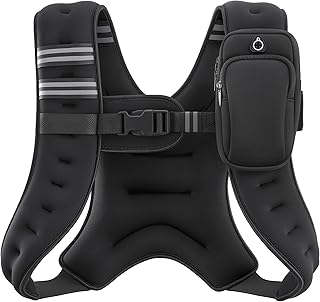
If you want to add variety, a weighted vest can transform your walks without adding joint strain. The ZELUS Weighted Vest comes in 6lb to 30lb options with a reflective stripe for safety. It's rated 4.6 stars with over 15,900 reviews.
Common Beginner Mistakes at This Stage
- Increasing both duration and intensity at once — pick one variable to change
- Skipping rest days — your body repairs and strengthens during recovery
- Comparing your progress to others — your journey is unique
Days 61–90: Optimize and Push Forward
Now you're ready for structured training. Your cardiovascular fitness has improved, and your joints and muscles have adapted. This is where real transformation accelerates.
Your Weekly Blueprint
| Day | Activity | Duration |
|---|---|---|
| Monday | Brisk walk or jog + strength | 35–40 minutes |
| Tuesday | Interval training | 25–30 minutes |
| Wednesday | Active recovery (stretching or yoga) | 20 minutes |
| Thursday | Strength training (full body) | 35–40 minutes |
| Friday | Brisk walk + core work | 30 minutes |
| Saturday | Longer walk or hike | 45–60 minutes |
| Sunday | Rest or gentle mobility | — |
Should You Add Supplements?
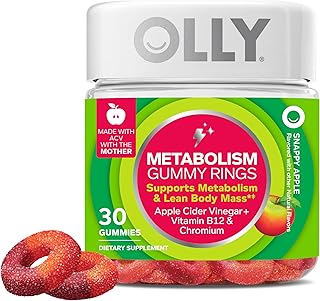
By day 60, your body is working harder. Some people find that metabolism-supporting supplements help maintain energy. The OLLY Metabolism Gummy Rings provide apple cider vinegar, vitamin B12, and chromium in a chewable form. They have a 4.3 rating with 7,100 reviews.
[ ](https://www.amazon.com/OLLY?tag=chrismabuwa09-20 Metabolism-Chromium-Digestive-Supplement/dp/B0B1JSC2SF/)
For those looking for a thermogenic boost, Thermogenic Fat Burner Brazilian Lean targets bloating and supports waist trimming. It's priced at $9.99 with a 4.1 rating.

Remember: Supplements are not replacements for consistent exercise and balanced nutrition. They support, not substitute.
Comparison Table: Popular Weight Loss Supplements
| Product | Price | Rating | Key Benefit | Buy at Amazon |
|---|---|---|---|---|
|
$7.49 | 4.5 | Supports fat, protein, sugar metabolism | Buy Now |
|
$16.97 | 4.3 | Apple cider vinegar + B12 for energy | Buy Now |
|
$9.99 | 4.1 | Targets bloating, supports waist trimming | Buy Now |
|
$9.99 | 4.2 | Whole body cleanse with probiotics | Buy Now |
 |
$65.99 | 4.2 | Non-prescription fat blocker | Buy Now |
How to Know If You're Doing Too Much
The biggest risk for beginners isn't doing too little — it's doing too much. Watch for these red flags:
- Persistent fatigue that doesn't improve with rest
- Joint pain that lingers after workouts
- Irritability or poor sleep related to exercise
- Loss of motivation or dreading your sessions
If you notice any of these, dial back by 20–30% for a week. Your body is telling you it needs more recovery time.
The Connection Between Exercise and Weight Loss
Exercise burns calories, but that's only part of the story. Regular movement improves insulin sensitivity, reduces cortisol, and boosts mood — all of which support sustainable weight loss.
Here's the truth: You can't out-exercise a poor diet. Pair your exercise roadmap with whole foods, adequate protein, and proper hydration. The combination creates results that last.
For some individuals, prescription medications may be part of their weight loss plan under medical supervision. Contrave is available by prescription and combines bupropion and naltrexone. Zepbound is another prescription option for chronic weight management. Always consult your healthcare provider before starting any medication.
| Product | Price | Key Use | Buy at Amazon |
|---|---|---|---|
 |
$50.00 | Prescription weight loss medication | Buy Now |
 |
$25.00 | Prescription weight loss injectable | Buy Now |
FAQ: Beginner Exercise and Weight Loss
How many days per week should I exercise as a beginner?
Start with 3–4 days per week for the first 30 days. This gives your body adequate recovery while building the habit. Gradually increase to 5 days by the 60-day mark.
Can I lose weight with just walking?
Absolutely. Consistent brisk walking for 30–45 minutes daily creates a calorie deficit and improves cardiovascular health. Many people lose significant weight with walking alone when combined with proper nutrition.
How do I know if I'm overtraining?
Signs include persistent fatigue, trouble sleeping, decreased performance, irritability, and frequent illness. If you experience any of these, take an extra rest day or reduce your workout intensity by half.
Should I take supplements on rest days?
Yes, most supplements like Nature's Bounty Chromium Picolinate are designed for daily use regardless of workout schedule. Always follow the dosage instructions on the label.
What if I miss a week of exercise?
Don't panic. Start again at the level you were at, but reduce intensity by 20% for the first few sessions. Your body will bounce back quickly. Consistency over perfection is the real goal.