
The first 60 days of any weight loss journey can feel like the hardest part. You're motivated, but you also face old habits, cravings, and a busy schedule. Building momentum doesn’t require drastic changes – it relies on small, consistent actions that compound over time.
This guide focuses on simple nutrition and movement strategies that help you stay on track. You’ll learn how to create a foundation for lasting change without feeling overwhelmed. Let’s turn your enthusiasm into real, sustainable progress.
Table of Contents
Why the First 60 Days Matter
Research shows that forming a new habit takes anywhere from 18 to 254 days. The first two months are critical for establishing routines. Momentum is your best friend – every healthy meal and workout reinforces your new identity as someone who prioritizes health.
During this period, you’re not aiming for perfection. Instead, focus on consistency over intensity. A 15-minute walk every day beats a two-hour gym session that you quit after a week. Small wins build confidence and keep you moving forward.
Simple Nutrition Strategies to Fuel Your Body
You don’t need a complex meal plan to see results. Start with these evidence-based approaches:
Eat More Whole Foods
Fill your plate with vegetables, lean proteins, whole grains, and healthy fats. Whole foods are naturally lower in calories and packed with nutrients that keep you satisfied. Try to include a protein source at every meal to stabilize blood sugar and reduce cravings.
Stay Hydrated
Thirst is often mistaken for hunger. Drink at least 8 cups of water daily. A glass before meals can help you eat less. Herbal teas and sparkling water count too.
Mindful Portions
Use smaller plates, eat slowly, and stop when you’re 80% full. Portion control is a simple lever that doesn’t require eliminating your favorite foods.
Consider Targeted Supplements
While whole foods come first, certain supplements can support your metabolism and energy levels. For example, Nature's Bounty Chromium Picolinate helps metabolize carbs and fats. OLLY Metabolism Gummy Rings combine apple cider vinegar, vitamin B12, and chromium in a tasty format.

Premium Liquid Collagen with hyaluronic acid and L-carnitine can support both weight management and skin health. Always consult your healthcare provider before starting any new supplement.
Simple Movement That Builds Momentum
You don’t need a gym membership to get moving. The key is finding activities you enjoy and can do consistently.
Walk Every Day
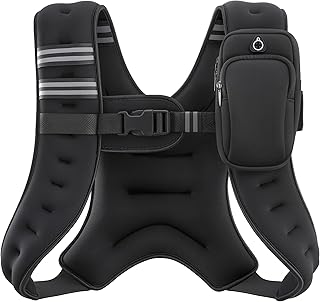
Walking is underrated. Start with 15–20 minutes daily and gradually increase to 30–45 minutes. Walking burns calories, reduces stress, and is easy on joints. To add challenge, use a ZELUS Weighted Vest (available in 6–30 lbs). It intensifies your walk without extra impact.
Bodyweight Strength
Push‑ups, squats, lunges, and planks build muscle and boost metabolism. Aim for two 15‑minute sessions per week. Strength training preserves lean mass while you lose fat, helping you achieve a toned look.
Stretch and Recover
Include 5–10 minutes of stretching after each workout. Flexibility reduces injury risk and improves your range of motion. Yoga or simple mobility flows work great.
Building Habits and Staying Consistent
Habits are the backbone of momentum. Use these strategies to make healthy choices automatic:
- Stack habits. Attach a new behavior to an existing one. For example, do 10 squats while your coffee brews.
- Track your progress. Use a journal or app to log meals, movement, and how you feel. Seeing your streak motivates you to continue.
- Plan ahead. Prep meals and lay out workout clothes the night before. Remove friction from your routine.
- Forgive slip‑ups. One bad meal or missed workout doesn’t erase your progress. Get back on track with your next choice.
When to Consider Additional Support
For some people, lifestyle changes aren’t enough due to medical conditions or stubborn weight. Prescription medications may be an option after consulting a doctor.
- Phendimetrazine is an appetite suppressant (available by prescription).
- Zepbound and Contrave are newer medications for chronic weight management.
These are powerful tools but should be used under medical supervision, alongside nutrition and movement.
Product Comparison Table
Here are some top‑rated products to support your first 60 days.
| Product | Price | Rating | Key Benefit | Buy at Amazon |
|---|---|---|---|---|
| Nature's Bounty Chromium Picolinate | $7.49 | 4.5 / 5 | Supports fat, protein & sugar metabolism | |
| OLLY Metabolism Gummy Rings | $16.97 | 4.3 / 5 | Apple cider vinegar + B12 + chromium for energy | 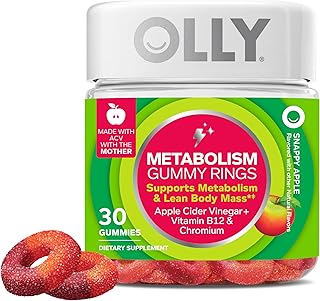 |
| Premium Liquid Collagen | $26.95 | 4.4 / 5 | Collagen, L‑carnitine, hyaluronic acid for weight & beauty |  |
| ZELUS Weighted Vest | $28.98 | 4.6 / 5 | Adds resistance to walks, runs, strength training | |
| Purely Inspired 7‑Day Detox Cleanse | $9.99 | 4.2 / 5 | Whole body cleanse with senna, ACV, probiotics |  |
Frequently Asked Questions
How much weight can I realistically lose in 60 days?
A safe rate is 1–2 pounds per week, so 8–16 pounds in 60 days is achievable. Results vary based on starting weight, adherence, and metabolism.
Do I need to take supplements for weight loss?
Supplements can support but not replace a healthy diet. Chromium, B vitamins, and collagen may help with energy, metabolism, and satiety, but whole foods come first.
What if I miss a workout or eat poorly?
Don’t let one slip lead to a full relapse. Forgive yourself and resume your plan at the next meal or workout. Consistency over weeks matters more than perfection on any given day.
Can I use a weighted vest if I have joint issues?
Start with low weight (6–8 lbs) and check with your doctor. Walking with a vest can increase calorie burn without high impact, but listen to your body.
Should I try prescription weight loss medications in the first 60 days?
Only if recommended by your healthcare provider. Medications like Phendimetrazine, Zepbound, or Contrave are for people with specific medical needs. They work best alongside lifestyle changes.
Your first 60 days are about building momentum, not perfection. Focus on simple nutrition, consistent movement, and habits that stick. Celebrate small victories, and remember that every healthy choice moves you closer to your goal. You’ve got this.