
Struggling with constant hunger is one of the biggest obstacles on any weight loss journey. You eat a healthy meal, yet an hour later your stomach is growling again. Sound familiar? That’s where fiber supplements come in—not as a magic pill, but as a science‑backed tool to help you feel fuller for longer.
Fiber supplements work by expanding in your stomach and slowing digestion, which naturally reduces appetite. But with so many options on the market, how do you choose the right one—and use it without side effects? Let’s cut through the hype and look at what really works.
Table of Contents
How Fiber Supplements Help Control Appetite
Dietary fiber, especially soluble fiber, dissolves in water to form a gel‑like substance in your gut. This gel slows the emptying of your stomach and the absorption of nutrients, sending powerful “I’m full” signals to your brain.
The result? You eat less without feeling deprived. Research shows that taking fiber before meals can reduce calorie intake by up to 10–15%. It also stabilizes blood sugar, preventing the energy crashes that trigger cravings.
Best Types of Fiber for Appetite Control
- Psyllium husk – The most studied. It forms a thick gel and is found in many popular supplements.
- Glucomannan – A water‑soluble fiber from konjac root. It expands up to 50 times its weight.
- Beta‑glucan – Found in oats and barley, it also supports heart health.
- Inulin – A prebiotic fiber that feeds good gut bacteria, but can cause gas if started too fast.
Choosing a Fiber Supplement: What to Look For
Not all fiber supplements are created equal. When shopping, focus on these criteria:
- Single‑ingredient formulas – Avoid blends with artificial sweeteners, fillers, or proprietary blends that hide the actual dose.
- Third‑party certification – Look for seals from USP, NSF, or ConsumerLab to ensure purity and potency.
- Form – Powder is most versatile; capsules are convenient but may require many pills.
- Dose – Aim for 3–5 grams of fiber per serving, and work up gradually.
Other Weight Loss Supplements: What’s Worth It?
Fiber is a natural appetite suppressant, but you’ve probably seen dozens of other weight loss supplements promising faster results. Some are backed by evidence; others are mostly hype. Here’s a quick look at popular options—including products you can find on Amazon.

Thermogenic fat burners like Brazilian Lean claim to boost metabolism and reduce bloating. With a 4.1‑star rating and a low price of $9.99, they’re affordable—but thermogenic effects are usually mild, and they can cause jitters or insomnia if they contain caffeine.

Chromium picolinate (like Nature’s Bounty, $7.49, 4.5 stars) is a mineral that supports sugar metabolism. While it may help with blood sugar control, large studies show minimal impact on weight loss on its own.

Orlistat (alli) is an FDA‑approved fat blocker. It prevents about 25% of dietary fat from being absorbed. It works, but can cause oily spotting and urgent bowel movements. The 120‑count refill costs $65.99 and has a 4.2‑star rating from 28,600+ reviews.
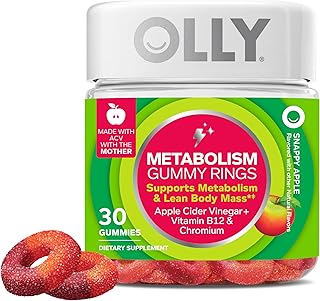
OLLY Metabolism Gummy Rings combine apple cider vinegar, vitamin B12, and chromium. They’re tasty and convenient ($16.97, 4.3 stars), but the dose of active ingredients is low compared to standalone supplements.

Liquid collagen with added L‑carnitine and apple cider vinegar is marketed for weight loss and beauty. While collagen supports skin health, the weight loss claim is weak. Price: $26.95, 4.4 stars.
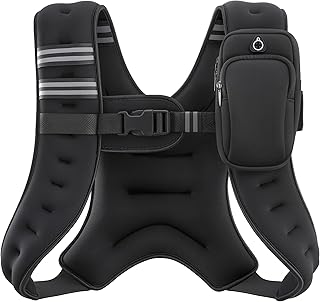
ZELUS Weighted Vest (6–30 lbs, $28.98, 4.6 stars) is not a supplement but a fitness tool. Wearing it during walks or strength training can increase calorie burn and build muscle—a natural appetite regulator.

Detox cleanses like Purely Inspired 7‑Day Detox ($9.99, 4.2 stars) often contain senna leaf and probiotics. They can cause temporary water loss and bloating relief, but they don’t produce lasting weight loss.
Prescription medications are a different category. Drugs like Zepbound (tirzepatide) and Contrave (bupropion/naltrexone) are powerful appetite suppressants available through a doctor. They are effective but expensive (Zepbound ≈ $25 per injection, Contrave ≈ $50). Phendimetrazine is another prescription stimulant that suppresses appetite, priced around $4.


Quick Comparison: Popular Weight Loss Supplements
| Product | Price | Rating | Key Ingredient / Mechanism | Buy at Amazon |
|---|---|---|---|---|
| alli (Orlistat) | $65.99 | 4.2 | Blocks fat absorption | |
| Nature's Bounty Chromium | $7.49 | 4.5 | Supports sugar metabolism | |
| OLLY Metabolism Gummies | $16.97 | 4.3 | ACV + B12 + Chromium | |
| Brazilian Lean Thermogenic | $9.99 | 4.1 | Thermogenic blend (caffeine) | |
| Premium Liquid Collagen | $26.95 | 4.4 | Collagen + L‑Carnitine | |
| Purely Inspired Detox | $9.99 | 4.2 | Senna leaf + probiotics | |
How to Use Fiber Supplements Safely
Fiber is safe for most people, but if you jump in too quickly, you may experience bloating, gas, or constipation. Follow these steps:
- Start with a low dose – Take half the recommended serving for the first few days.
- Drink plenty of water – Fiber absorbs water. Without enough fluids, it can cause blockage. Aim for at least 8–12 ounces per serving.
- Take before meals – 20–30 minutes before eating gives the fiber time to expand and reduce appetite.
- Increase slowly – Add an extra gram every few days until you reach the full dose.
- Watch for interactions – Fiber can reduce absorption of some medications. Take supplements at least two hours apart from meds.
Who should avoid fiber supplements? People with certain digestive conditions (like strictures or a history of bowel obstruction) should consult a doctor first. Also, if you have diabetes, fiber can lower blood sugar, so monitor levels closely.
Fiber vs. Appetite Suppressants: Which Is Better?
Fiber supplements offer a gentle, natural way to curb hunger without altering brain chemistry. In contrast, prescription appetite suppressants like Contrave or Zepbound act on neurotransmitters or hormones—they are more powerful but come with side effects (nausea, constipation, potential dependence).
Non‑prescription options like Phendimetrazine (a stimulant) can be effective short‑term but are typically not recommended for long‑term use. Thermogenic fat burners like Brazilian Lean may give a slight metabolic boost, but they don’t directly target appetite.
For sustainable weight loss, fiber is a safe foundation. If you need extra help, talk to your healthcare provider about prescription options—but never combine multiple strong appetite suppressants without medical supervision.
Conclusion
Fiber supplements are a powerful, evidence‑based tool for appetite control. They help you eat less with minimal risk when used correctly. Choose a pure, well‑tested product like psyllium husk or glucomannan, start slow, and stay hydrated.
While other supplements like alli, chromium, or thermogenic blends have their place, they often come with trade‑offs. For a personal development journey focused on sustainable habits, fiber is a reliable first step.
Remember: No supplement replaces a balanced diet, regular movement, and good sleep. Use fiber as a helper, not a crutch, and you’ll build lasting healthy habits.
Frequently Asked Questions
Q: How long does it take for fiber supplements to reduce appetite?
A: You’ll feel the effect within 15–30 minutes after taking it with water. The fullness usually lasts 2–4 hours, which is why taking it before meals works best.
Q: Can I take fiber supplements every day?
A: Yes, daily use is safe for most people. Just increase the dose gradually and drink enough water. Long‑term use can improve gut health and even lower cholesterol.
Q: Do fiber supplements interfere with weight loss medications?
A: They can slow absorption of some drugs. If you take alli (orlistat) or prescription appetite suppressants, space fiber at least two hours apart. Always check with your doctor.
Q: Which is better: powder or capsules?
A: Powder is more flexible in dosing and mixes easily into water or smoothies. Capsules are convenient but may require swallowing 4–6 pills to get an effective dose (3–5 grams of fiber).
Q: Are fiber supplements safe during pregnancy?
A: Most are safe, but it’s best to get fiber from food first. Always consult your obstetrician before starting any supplement during pregnancy or breastfeeding.