
Weight loss doesn’t have to mean tedious calorie math or weighing every gram of food. The balanced plate method is a simple, visual approach that takes the guesswork out of portion control. By dividing your plate into clear sections, you can create satisfying meals that naturally support fat loss—without obsessive counting.
This system works because it focuses on food quality and volume, not restriction. You learn to fill your plate with nutrient-dense ingredients that keep you full and energized. Ready to simplify your weight loss journey? Let’s explore balanced plate templates you can use starting today.
Table of Contents
What Is a Balanced Plate?
A balanced plate is a visual guideline for building meals that provide the right mix of macronutrients: protein, carbohydrates, and fats. It’s based on a simple template—usually half vegetables, one-quarter lean protein, and one-quarter complex carbs. Some versions add a small portion of healthy fats.
The beauty is that you don’t need to measure anything. You just look at your plate and adjust proportions. This method is supported by nutrition experts and aligns with guidelines from health organizations like the USDA’s MyPlate.
Key Benefits for Weight Loss
- No mental math – eliminates the stress of counting calories or grams.
- Encourages whole foods – naturally limits processed items that are easy to overeat.
- Supports satiety – fiber from veggies and protein keep you full longer.
- Flexible – works for any cuisine or dietary preference.
Simple Balanced Plate Templates
Here are three proven templates you can rotate throughout your week. Each uses the same 50/25/25 split.
Template 1: The Classic Protein + Veggie + Starch
- Half your plate: Non-starchy vegetables (broccoli, spinach, bell peppers)
- Quarter: Lean protein (chicken breast, tofu, fish)
- Quarter: Complex carbs (quinoa, sweet potato, brown rice)
Add a thumb-sized portion of healthy fat (olive oil, avocado) on top.
Template 2: The Quick Bowl
Ideal for busy days. Layer ingredients in a bowl:
- 2 handfuls leafy greens
- 1 palm-sized protein (canned salmon, grilled tempeh)
- 1/2 cup cooked whole grains (farro, barley)
- A handful of cherry tomatoes, cucumber, and a drizzle of tahini
Template 3: The Breakfast Plate
Many people skip breakfast or eat carb-heavy meals. Try this:
- Half plate: sautéed spinach or mixed berries
- Quarter: eggs or Greek yogurt
- Quarter: oatmeal or whole-grain toast
How to Build Your Balanced Plate (Step-by-Step)
- Choose your plate size – a standard 9-inch dinner plate works best.
- Fill half with non-starchy vegetables – fresh, frozen, or roasted.
- Add a palm-sized portion of protein – about 20–30 grams.
- Add a fist-sized portion of complex carbs – adjust based on activity level.
- Add a small serving of healthy fats – e.g., 1 tablespoon olive oil or ¼ avocado.
Pro Tips
- Pre-portion your veggies at the start of the week to save time.
- Use your hand as a guide: palm = protein, fist = carbs, thumb = fat.
- Don’t stress the exact ratios – aim for roughly half veggies every time.
Supporting Your Efforts with Smart Aids
While the plate method is powerful on its own, you can complement it with tools and supplements that support metabolism, energy, and recovery. Below are some well-rated options that align with a weight loss journey.

alli Weight Loss Diet Pills work by blocking some of the fat you eat, helping you stick to your plate’s fat allowance. With over 28,600 reviews and a 4.2-star rating, it’s a popular non-prescription aid. Use it alongside your balanced meals for added support.

OLLY Metabolism Gummy Rings combine apple cider vinegar, vitamin B12, and chromium to support energy metabolism and digestive health. These chewable gummies are a tasty way to round out your nutrition. They’ve earned 4.3 stars from over 7,100 users.
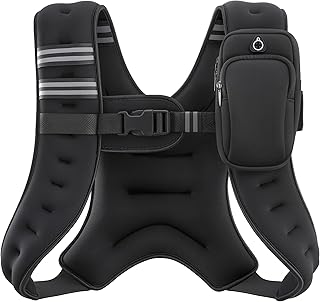
ZELUS Weighted Vest adds resistance to walks or bodyweight exercises, increasing calorie burn without extra time. With a 4.6 rating and 15,900 reviews, it’s a top pick for boosting daily activity.
Comparison of Top Weight Loss Supports
| Product | Price | Rating | Key Benefit | Buy at Amazon |
|---|---|---|---|---|
|
$65.99 | 4.2 / 5 | Blocks dietary fat absorption | Buy alli |
|
$16.97 | 4.3 / 5 | Boosts metabolism & energy | Buy OLLY |
|
$28.98 | 4.6 / 5 | Increases calorie burn during exercise | Buy ZELUS Vest |
These products are not replacements for a healthy diet, but they can enhance your results when used responsibly alongside balanced plate meals.
Tips for Long-Term Success
- Stay consistent – it takes about two weeks to make the plate method a habit.
- Listen to your body – adjust portions if you’re still hungry or overly full.
- Hydrate well – water supports metabolism and reduces false hunger cues.
- Plan your week – use the templates to create a simple meal plan.
Remember, weight loss is a journey of personal development. The balanced plate method builds confidence and self-awareness without turning food into a math problem. You’re not on a diet—you’re learning a sustainable way to nourish your body.
Frequently Asked Questions
Can I use this method for weight loss if I have diabetes?
Yes, the balanced plate approach is often recommended for blood sugar management because it emphasizes vegetables and lean protein, which help stabilize glucose.
How do I handle cravings?
Allow occasional treats in small portions. The 80/20 rule works well: eat balanced plates 80% of the time and enjoy other foods 20% of the time.
Do I need supplements to lose weight?
No, supplements are optional. Balanced plates provide most nutrients. If you choose to add support, products like alli Weight Loss Diet Pills or OLLY Metabolism Gummy Rings can be integrated, but always consult a healthcare professional first.
How quickly can I expect results?
Most people notice changes in energy and satiety within a week. Visible weight loss typically begins after 2–4 weeks when combined with a calorie deficit and activity.
What if I eat out?
Use the same visual guide: ask for extra veggies, substitute fries for a salad, and choose grilled proteins. Many restaurants will accommodate these requests.
The balanced plate method frees you from complex counting while still delivering real weight loss results. Start with one meal today, and build from there. Your future self—and your waistline—will thank you.