
Does it feel like your paycheck disappears before you even see it? You’re not alone. Many households lose small but significant amounts to hidden spending leaks every month. A coffee here, a forgotten subscription there – these add up to hundreds of dollars that could have been saved or invested.
The good news? You can plug those leaks without a drastic lifestyle change. Getting a handle on your cash flow starts with awareness, and a simple tracking tool like the Wooden Money Saving Box, Cash Vault Savings Box for $10000 can turn your savings goal into a visual, motivational challenge.
Table of Contents
The Silent Budget Killers: Where Money Slips Away
Most hidden expenses fall into a few predictable categories. When you know what to look for, you can target them with precision.
Subscription creep – Streaming services, gym memberships, app subscriptions – these auto-renewals often go unnoticed. A typical household spends $200–300 per month on subscriptions they rarely use. Audit your bank statements for recurring charges.
Impulse buys – Small in-the-moment purchases, from a snack at the gas station to an unplanned online order, can drain $100+ monthly without you remembering a single item.
Dining out – A $12 lunch plus a $6 coffee run every workday adds up to nearly $400 per month. That’s a leak large enough to fund an entire vacation fund.
Utility waste – Leaving electronics on standby, inefficient light bulbs, and over-watering the lawn quietly increase your bills.
How to Conduct a Spending Audit (Step by Step)
A spending audit is the fastest way to uncover leaks. Follow these steps to give your budget a cash-flow makeover.
- Pull 90 days of bank and credit card statements. Use a spreadsheet or a budgeting app to categorise every transaction.
- Tag each expense as “essential”, “nice-to-have”, or “waste”. Waste includes late fees, ATM charges, unused memberships.
- Highlight recurring payments you didn’t authorise or forgot about. Cancel those immediately.
- Total your small, frequent cash purchases. If you use cash, keep a log for one week.
- Compare current spending to your income. The difference is your real discretionary cash flow.
Once you see the numbers, you’ll likely be shocked by how much you spend on things that don’t align with your priorities. The 100 Envelopes Money Saving Challenge binder is a perfect follow-up tool to turn those savings into a measurable, fun challenge.
Plugging the Leaks with Proven Tools
Arming yourself with the right tools makes the process of patching spending leaks both effective and enjoyable. These products turn abstract saving into a tangible habit.
The 100 Envelope Challenge Binder (Top Pick)

With a 4.7-star rating and a price of just $8.99, this binder uses the classic envelope method to save $5,050 in a year. Numbered envelopes and a tracker make each deposit visible and rewarding. It’s ideal for households that want a low-tech, high-accountability system.
Wooden Money Saving Vault

Priced at $16.99 with a 4.6 rating, this reusable box lets you set a target from $500 to $10,000. The built-in counter and dry-erase trackers turn saving into a visually satisfying process. It’s perfect for families with kids or adults who need a physical reminder of their goal.
Budget Binder with Zipper Envelopes
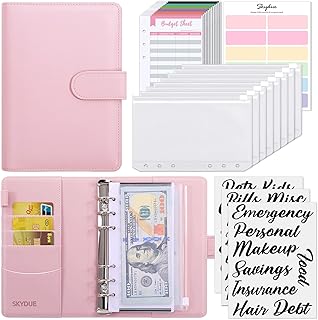
The SKYDUE Budget Binder (4.7 stars, $8.98) combines cash envelopes with expense sheets. It’s ideal if you want to track multiple categories – groceries, entertainment, gas – and keep your spending within limits without relying on apps.
| Product | Price | Rating | Best For |
|---|---|---|---|
| 100 Envelopes Binder | $8.99 | 4.7 | Habit-based savings |
| Wooden Savings Box | $16.99 | 4.6 | Visual goal setting |
| SKYDUE Budget Binder | $8.98 | 4.7 | Category tracking |
Productivity hack: Pair one of these tools with a weekly “leak review” – 15 minutes on Sunday to update your progress and spot new waste.
Building a Sustainable Cash-Flow System
Finding leaks is only half the battle. To prevent them from reappearing, you need a system that replaces reactive spending with intentional allocation.
Adopt the envelope system – Use cash envelopes (or dedicated sub-accounts) for variable categories like groceries, dining, and entertainment. When the envelope is empty, you stop spending. The NICOOTH 100 Envelopes Money Saving Binder (4.7 stars, $6.48) makes this easy and affordable.
Automate your leak fix – Set up automatic transfers to a savings or investment account on payday. That way, the money is gone before you can spend it. Then use a cash-envelope system for discretionary spending.
Review subscriptions quarterly – Mark a recurring calendar reminder. Cancel anything you haven’t used in the past month.
Your Cash-Flow Makeover Starts Now
Hidden spending leaks are normal, but they don’t have to be permanent. By auditing your spending, using one of the tools above, and building a simple system, you can redirect that lost money toward your real goals – whether that’s a vacation, an emergency fund, or debt repayment.
Start small. Pick a Wooden Money Saving Box or a 100 Envelopes Challenge Binder and commit to tracking every dollar for one month. You’ll be amazed at what you find.
Frequently Asked Questions
How do I find hidden spending leaks in my budget?
Review your bank and credit card statements for the last three months. Categorise every transaction. Look for subscriptions you forgot, bank fees, and frequent small purchases like coffee or snacks. A physical tracker like the 100 Envelopes Binder can help you monitor daily spending.
What is the most effective way to stop impulse spending?
Use the envelope system with cash. Withdraw a fixed amount for “fun money” each week. When the cash is gone, stop spending. A budget binder with pre-numbered envelopes, such as the Sooez 100 Envelopes Savings Challenge, adds accountability.
Are physical cash systems better than budgeting apps?
They can be, especially if you benefit from a tangible reminder. Physical systems slow down the act of spending and make each transaction more deliberate. Many users find that seeing cash deplete is more motivating than checking an app.
Can I use these tools if I have irregular income?
Yes. The envelope method works especially well with irregular income because you decide how much to allocate each pay period. Start with a wooden savings box for a fixed goal, then use the envelopes for variable categories.