

Money borrowing is one of those life decisions that feels simple in the moment but can ripple through your financial reputation for years. Without a clear personal policy, you risk making emotional choices that harm your credit score and long-term wealth. A written borrowing policy acts as your financial compass, helping you separate good debt from bad debt before the impulse hits.
Your creditworthiness, housing opportunities, and even job prospects can hinge on how wisely you borrow. This article will guide you through building a custom policy that protects your financial future while still letting you leverage debt when it truly serves you.
Table of Contents
Why You Need a Borrowing Policy
Most people borrow money without a plan. They take out a loan for a car they can’t afford, use credit cards for impulse buys, or lend cash to a friend with no written agreement. These unplanned moves often lead to high interest payments, damaged credit scores, and strained relationships.
A personal borrowing policy creates boundaries you set when you’re calm and clear-headed. It removes guesswork and reduces the chance of regret. When you know exactly when you will and won’t borrow, you make decisions faster and with more confidence.
Your policy also signals to lenders and future employers that you are financially disciplined. Over time, this reputation opens doors to better interest rates, rental approvals, and even career opportunities.
The Core Principles of Wise Borrowing
Know Your "Why"
Before you borrow a single dollar, ask yourself: What is this loan really for? If it’s to buy an asset that will grow in value or generate income, borrowing may be justified. If it’s to fund a lifestyle you can’t afford, it’s a red flag.
Set Hard Limits
Decide in advance the maximum monthly payment you’re willing to allocate to debt (excluding your mortgage). A common rule is no more than 20% of your take-home pay for all non-mortgage debt. Also set a maximum loan term—longer terms mean more interest paid.
When to Say Yes: Borrowing That Builds Wealth
Not all debt is dangerous. Borrowing for education that increases your earning power, starting a business, or buying a home can be strategic moves. The key is to ensure the expected return on investment exceeds the cost of the debt.
For example, a low-interest student loan that leads to a higher-paying career often makes sense. Similarly, a mortgage on a reasonably priced home builds equity over time. These are forms of "good debt" that support your long-term financial goals.
If you want to explore this topic deeper, check out our article on Should You Ever Take on ‘Good Debt’? a Personal Development Perspective?.
A classic book that reframes how you think about assets and liabilities is Rich Dad Poor Dad by Robert Kiyosaki. It teaches the difference between putting money in your pocket versus taking it out.

When to Say No: Red Lines You Should Never Cross
Some borrowing scenarios should be automatic no‑go’s. These include using debt for:
- Impulse purchases like new electronics or clothing you don’t need.
- Gambling or speculation (including risky investments).
- Lending money to friends or family unless you have a written agreement and are prepared to never see it again.
- Consolidating high-interest debt without changing your spending habits.
Also, avoid borrowing from high-cost sources like payday loans, title loans, or buy‑now-pay‑later schemes that penalize late payments harshly. These traps can quickly spiral out of control.
For more insight on common pitfalls, read Common Credit Myths That Keep People Stuck or Afraid.
How Your Borrowing Policy Protects Your Credit Score
Your credit score is a direct reflection of how responsibly you manage borrowed money. Making on‑time payments keeps your score healthy, while missed payments, high credit utilization, and multiple recent inquiries drag it down.
A personal policy helps you avoid behaviors that hurt your score. By setting limits on how much you borrow and sticking to repayment plans, you build a positive credit history. That history then affects your ability to rent an apartment, get a job, or secure a mortgage.
Learn the fundamentals in Credit Score Basics: What Actually Matters and What Doesn’t and see how credit influences major life events in How Your Credit Impacts Housing, Jobs, and Life Opportunities?.
Practical Steps to Create Your Personal Borrowing Policy
- List your financial goals – short‑term savings, home purchase, business launch, etc.
- Define “good debt” vs. “bad debt” for your situation – use the tables below as a template.
- Set a maximum debt‑to‑income ratio (e.g., 20% non‑mortgage debt).
- Write your “never borrow for” list – include categories you commit to never financing.
- Create a pre‑borrowing checklist – before any loan, ask: Is this for an asset or a liability? What is the true cost? Can I afford the payments if my income drops?
- Review your policy quarterly – life changes, so your rules should too.
Tools and Resources to Strengthen Your Financial Mindset
Two outstanding books can help you solidify your borrowing philosophy. The first is Rich Dad Poor Dad by Robert Kiyosaki, which challenges conventional thinking about assets and liabilities. The second is The Psychology of Money by Morgan Housel, which explores how emotions and behavior drive financial decisions.

Both books are highly rated and offer timeless lessons. Here’s a quick comparison to help you choose:
| Product | Core Message | Price | Rating | Reviews | Best For | Buy at Amazon |
|---|---|---|---|---|---|---|
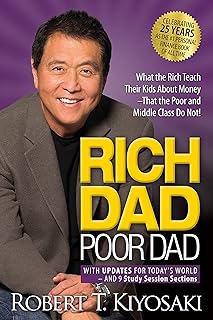 |
Assets vs. liabilities, financial education | $9.31 | 4.7 | 107,400 | Beginners rethinking debt | Buy on Amazon |
|
Behavioral finance, long‑term thinking | $10.99 | 4.7 | 71,600 | Anyone struggling with money mindset | Buy on Amazon |
Reading these books will give you the mental framework to enforce your borrowing policy even when emotions run high.
Frequently Asked Questions
What if I accidentally break my own borrowing policy?
Treat it as a learning opportunity. Review what triggered the decision and adjust your rules to prevent a repeat. No policy is perfect, but consistent reflection builds discipline.
Should I include lending to friends in my policy?
Absolutely. Many financial disasters start with informal loans. Decide in advance whether you ever lend money, and if so, require a written agreement. Better yet, consider gifts instead of loans.
How often should I update my borrowing policy?
At least once a year, or whenever a major life change occurs (new job, marriage, emergency). Your policy should evolve with your income, expenses, and goals.
Can I still use credit cards with a borrowing policy?
Yes – credit cards can be powerful tools if used responsibly. Use them for planned expenses and pay the full balance each month. This builds credit without creating debt.
For more guidance, read How to Use Credit Cards as Tools, Not Traps?.
Your Personal Policy Is a Lifelong Asset
Creating a personal policy for when you will and won’t borrow money is one of the most empowering financial moves you can make. It protects your credit score, preserves your relationships, and keeps you aligned with your long‑term goals. Write it down, review it often, and let it guide you every time you face a borrowing decision.
Your financial reputation is built one decision at a time. With a solid policy in place, you’ll make those decisions with clarity and confidence.