

Medical costs can blindside anyone. A single surgery, diagnostic procedure, or dental implant can drain your savings in days. That’s why building a dedicated personal health fund is one of the smartest money moves you can make. It’s not just about paying bills—it’s about peace of mind and taking control of your future.
A personal health fund is a separate savings account you contribute to regularly, specifically for medical procedures, big healthcare expenses, and even wellness investments. Think of it as your own “health insurance deductible buffer.” By planning ahead, you avoid debt, reduce stress, and give yourself the freedom to choose the best care without financial panic.
Let’s dive into how you can build this fund, the mindset shifts required, and the resources that can help you along the way. One classic book that reshapes how you think about money and health spending is 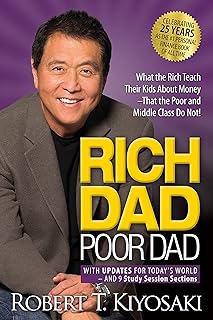 — a must-read for understanding why your financial habits matter as much as your income.
Table of Contents
Why You Need a Dedicated Health Fund
Unexpected medical expenses are one of the leading causes of personal debt. Even with insurance, deductibles, copays, and out-of-network costs can add up fast. A health fund acts as a shock absorber.
Benefits of a personal health fund:
- Avoid high-interest debt – You won’t need to put procedures on credit cards.
- Negotiate with providers – Cash payers often get discounts.
- Access elective procedures faster – Skip waiting lists for non-critical care.
- Invest in preventive health – Regular screenings and fitness memberships can reduce future costs.
By separating health savings from your emergency fund, you also keep your long-term goals intact. A health fund is purpose-driven, not a catch-all.
How Much Should You Save?
The amount depends on your health status, insurance coverage, and family size. A good starting target is your annual out-of-pocket maximum (if you have a high-deductible plan) or $5,000–$10,000 for basic procedures. For major surgeries, aim higher.
Use this simple formula:
- Review your last two years of medical expenses.
- Add 20% buffer for inflation and unexpected procedures.
- Divide by the number of months until you anticipate the next big expense.
For example, if you expect a $8,000 knee surgery in 12 months, save $667 per month in your health fund.
Where to Keep Your Health Fund
The ideal home for this money is a separate high-yield savings account (HYSA) or a Health Savings Account (HSA) if you have a qualifying HDHP. HSAs offer triple tax advantages: pre-tax contributions, tax-free growth, and tax-free withdrawals for qualified medical expenses.
If you don’t qualify for an HSA, use a dedicated HYSA or a money market account. Keep it liquid—avoid locking funds in investments that could lose value right when you need them.
Pro tip: Automate your monthly contribution. Treat it like a non-negotiable bill.
Books to Guide Your Health Fund Strategy
Understanding personal finance principles is essential to maintain discipline. Two highly rated books can transform how you approach money and health spending.
1. Rich Dad Poor Dad
– $9.31 – Rating: 4.7 (107,400+ reviews)
This classic challenges conventional thinking about assets vs. liabilities. It teaches you to see money as a tool for freedom, not just a means to pay bills. The mindset shift helps you prioritize building a health fund as an asset that protects your future. The lessons on passive income and financial literacy are directly applicable to managing large, predictable healthcare costs.
2. The Psychology of Money
 – $10.99 – Rating: 4.7 (71,600+ reviews)
This book explores the emotional side of financial decisions. It reminds us that saving for health isn’t about deprivation—it’s about buying future options. The author’s stories on compounding, risk, and happiness will keep you motivated to stick with your health fund plan even when other wants tempt you.
Comparison Table: Top Finance Books for Health Fund Planning
| Feature | Rich Dad Poor Dad | The Psychology of Money |
|---|---|---|
| Price | $9.31 | $10.99 |
| Rating | 4.7 / 5 | 4.7 / 5 |
| Reviews | 107,400+ | 71,600+ |
| Focus | Assets vs. liabilities, wealth mindset | Behavioral finance, long-term thinking |
| Best for | Beginners wanting a paradigm shift | Those who struggle with saving discipline |
| Buy at Amazon | |
|
Both books complement each other. Read Rich Dad Poor Dad for the “why” and The Psychology of Money for the “how” to stay consistent.
Steps to Build Your Personal Health Fund
Follow this simple 5-step process:
- Set a specific goal – Name the procedure or expense (e.g., “$6,000 for LASIK”). This turns an abstract number into a real target.
- Open a separate account – Use a high-yield savings account or HSA. Label it “Health Fund.”
- Automate transfers – Schedule weekly or monthly contributions. Start with as little as $50 if needed.
- Track your progress – Use a simple spreadsheet or app. Celebrate milestones (25%, 50%, 75%) to maintain motivation.
- Revisit annually – Adjust contributions based on health changes, new procedures, or insurance plan updates.
Integrating Your Health Fund with Other Financial Strategies
A health fund works best when combined with other smart money moves. For example, understanding your insurance plan during open enrollment can reduce out-of-pocket costs dramatically. Read our guide on choosing insurance plans during open enrollment thoughtfully.
Also, pairing your fund with a Health Savings Account (HSA) can supercharge your savings. Learn more about building and using a health savings account strategically.
Finally, don’t forget preventive care. Investing in fitness and regular checkups lowers long-term expenses. Explore preventive care vs reactive care long-term cost trade-offs.
Common Mistakes to Avoid
- Using your emergency fund for health costs – That fund is for job loss or urgent crises. Health fund is for planned or predictable expenses.
- Saving too little – Underestimating costs leads to panic. Always round up.
- Forgetting to account for inflation – Medical costs rise faster than general inflation. Add 3–5% yearly.
- Not negotiating bills – Even with a health fund, ask for discounts or payment plans. Cash is king.
FAQ: Personal Health Fund
What is a personal health fund?
A dedicated savings account set aside specifically for medical procedures, dental work, vision care, and other large health expenses not covered by insurance.
How is it different from an emergency fund?
An emergency fund covers unexpected life events (job loss, home repairs). A health fund is for known or anticipated medical costs, even if the timing is uncertain.
Can I invest my health fund money?
It’s risky. If the market drops when you need the money, you may lose value. Best to keep it in a high-yield savings account or a conservative money market fund.
What if I don’t use all the money?
Great! Roll it over to next year, or use it for wellness expenses like gym memberships, therapy, or alternative treatments.
Should I use an HSA instead?
If you have a high-deductible health plan, an HSA offers tax advantages. But an HSA is not available to everyone. A plain savings account works too.
Final Thought: Your Health, Your Fund, Your Freedom
A personal health fund is more than a savings account—it’s a declaration that your well-being matters. By planning ahead, you remove the financial friction that often delays necessary care. The psychology of money is real: when you feel prepared, you make better decisions.
Start small. Open that separate account today. Automate $50. Pick up Rich Dad Poor Dad or The Psychology of Money for inspiration. Your future self will thank you.