

What if your investment portfolio could make you sleep better at night? That’s the promise of clean money – aligning your finances with your deepest values. When every dollar works not only for your future but also for a world you believe in, the emotional payoff is real.
The shift toward ethical, purpose-driven investing isn’t just a trend. It’s a psychological revolution. Research shows that when people feel their money is “clean” – free from harmful industries or exploitative practices – they experience less anxiety and more satisfaction. This article explores why that feeling matters, how to cultivate it, and which resources (like The Psychology of Money) can guide you.
Table of Contents
Why the Psychology of Money Matters
Money is never just numbers on a screen. It carries emotional weight. In his bestselling book, The Psychology of Money: Timeless lessons on wealth, greed, and happiness, Morgan Housel explains that financial decisions are often driven by fear, pride, and ego – not cold logic.
- Emotional triggers: The fear of losing money, the thrill of a gain, the guilt of investing in something you oppose.
- The clean money effect: Investing in alignment with your values reduces cognitive dissonance – the mental discomfort of holding two conflicting beliefs (e.g., “I care about the environment” vs. “I invest in oil companies”).
- Long-term peace: When your portfolio reflects your identity, you’re less likely to panic-sell during downturns.
Understanding this psychology is the first step toward building a portfolio that supports both your wallet and your well-being.
The Emotional Payoff of Ethical Investing
Ethical investing – also called ESG, SRI, or impact investing – offers more than market returns. It offers emotional dividends. Studies show that investors who choose clean money report higher life satisfaction and lower stress about their financial future.
Why? Because your money becomes a statement of who you are. It’s not just about avoiding “sin stocks” like tobacco or weapons. It’s about actively supporting companies that solve problems – renewable energy, fair labor, community development.
“Your portfolio is a mirror of your values. When that mirror reflects truth, you feel good.”
If you’re unsure where to start, read What Is Ethical Investing and Is It Right for You? for a foundational overview.
Aligning Your Portfolio with Your Personal Values
How do you make your money feel clean? It begins with clarity about what you stand for. Here’s a simple process:
- Define your values. List the issues that matter most: climate change, social justice, animal welfare, local community, faith.
- Audit your current investments. Many mutual funds and ETFs include companies you might oppose.
- Research alternatives. Look for funds with high ESG ratings or screens that exclude specific sectors.
- Choose your approach. You can fully exclude dirty industries, invest in best-in-class companies, or target specific impact themes.
For a deeper dive, explore How to Align Your Investment Portfolio with Your Personal Values.
Balancing Moral Values with Financial Returns
A common fear: “Will I earn less if I invest ethically?” The evidence says no. Numerous studies show that ESG-focused funds often perform on par with – or better than – conventional funds over the long term.
However, you may face trade-offs in short-term volatility or sector concentration. The key is diversification within your values. For example, you can invest in a clean energy ETF alongside a broad ESG index fund.
Need a framework? Read Can You Build Wealth While Investing Responsibly? and Balancing Moral Values with Financial Returns in Your Portfolio.
Books to Deepen Your Understanding of Clean Money
To master the psychology of clean money, start with these two essential reads. They offer timeless wisdom on wealth, mindset, and aligning money with meaning.
Rich Dad Poor Dad
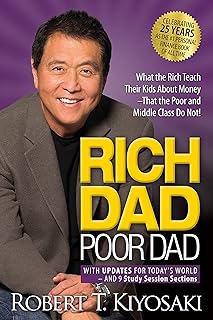
Price: $9.31 | Rating: 4.7 (107,400+ reviews)
Robert Kiyosaki’s classic challenges everything you learned about money. While not explicitly about ethical investing, it teaches the mindset of making money work for you – including the freedom to choose where it goes. Buy on Amazon
The Psychology of Money

Price: $10.99 | Rating: 4.7 (71,600+ reviews)
Morgan Housel’s masterpiece reveals the behavioral forces behind financial success. It’s the perfect companion for anyone who wants to feel good about their investments. Buy on Amazon
Comparison Table
| Feature | Rich Dad Poor Dad | The Psychology of Money |
|---|---|---|
| Price | $9.31 | $10.99 |
| Rating | 4.7 / 5 | 4.7 / 5 |
| Focus | Mindset, assets vs liabilities, financial independence | Behavioral finance, humility, greed, happiness |
| Best for | Beginners seeking a wealth-building philosophy | Anyone wanting to understand their own money psychology |
| Buy | |
|
Practical Steps to Invest with a Clean Conscience
You don’t need a finance degree to start. Here’s a step-by-step action plan:
- Step 1: Educate yourself. Read ESG, SRI, and Impact Investing: Key Differences Explained Simply.
- Step 2: Talk to a financial advisor who understands ethics. See How to Talk to a Financial Advisor About Your Ethical Priorities.
- Step 3: Start small. Choose one ESG fund or a local community investment. Learn about Investing in Your Local Community: Opportunities and Risks.
- Step 4: Review quarterly. Use How to Research Companies and Funds for Ethical Concerns to stay aligned.
- Step 5: For faith-based investors, read Faith-based and Value-based Investing: Questions to Ask First.
FAQ About Clean Money and the Psychology of Investing
What does “clean money” mean?
Clean money refers to investments that avoid industries or practices you personally find unethical – such as fossil fuels, tobacco, or sweatshop labor – and actively support positive outcomes.
Does ethical investing lower returns?
Not necessarily. Many ESG funds perform competitively. The key is diversification and a long-term horizon. Read our detailed analysis in Balancing Moral Values with Financial Returns in Your Portfolio.
Can I invest ethically in my retirement account?
Yes. Most 401(k) providers now offer ESG-themed target-date funds or self-directed brokerage accounts where you can choose specific ethical ETFs.
How do I know if a company is truly ethical?
Look beyond marketing. Check third-party ratings (MSCI, Sustainalytics), read annual sustainability reports, and use How to Research Companies and Funds for Ethical Concerns.
Final Thought: Money as a Mirror
When your investments reflect your values, every statement feels like a vote for the world you want. That feeling of alignment is the real return – and it compounds daily.
Start small. Read a book. Ask a question. And remember: clean money isn’t about perfection. It’s about progress. The more your money mirrors your soul, the richer your life becomes.