

Money isn’t just dollars and cents—it’s a story your family has been telling for generations. You learned your first financial lessons not from school, but from the dinner table, the way your parents sighed over bills, or the pride in a grandparent’s voice when they talked about “saving for a rainy day.” These money narratives shape how you earn, spend, save, and even feel about wealth.
In many cultures, these stories are inherited alongside heirlooms. They can empower you or hold you back. Understanding the narratives you grew up with is the first step toward rewriting your own financial future. And sometimes, the best teacher is a book that helps you question those old tales.

Table of Contents
Where Do Money Stories Come From?
Every family has a money origin story. It might be the immigrant tale of arriving with nothing and building a life through sheer grit. Or the story of a parent who grew up poor and now hoards cash out of fear. These narratives often echo wider cultural expectations about supporting extended family, valuing simplicity, or avoiding debt at all costs.
For many, the dominant narrative is scarcity. Phrases like “money doesn’t grow on trees” or “we can’t afford that” become automatic. In other households, the story is about opportunity—money as a tool for adventure. Both shape your relationship with risk, generosity, and financial boundaries.
How Generational Narratives Affect Your Finances Today
The stories you internalized as a child dictate adult behaviors you might not even recognize. Do you feel guilty spending on yourself? That’s a narrative. Do you avoid looking at your bank account? Another story. Many people experience Shame, Secrecy, and Taboos Around Money Talk in Different Cultures, which keeps those narratives unchallenged.
Here are three common money narratives and their hidden impacts:
- “Money is the root of all evil.” → Leads to self-sabotage, avoiding wealth-building.
- “We’re not savers in this family.” → Creates cycle of living paycheck to paycheck.
- “Rich people are greedy.” → Blocks personal ambition and investment.
The Cultural Expectations Around Supporting Parents and Extended Family can also create a narrative where your money belongs to your entire clan—making boundaries feel selfish.
Rewriting Your Money Story
You can’t change where you came from, but you can choose which stories you carry forward. Start by identifying the key money messages from your upbringing. Ask yourself: What did my parents believe about debt? About investing? About giving? Then compare those beliefs with what you see in the world today.
Morgan Housel’s The Psychology of Money is a brilliant resource for this work. It doesn’t teach formulas; it teaches you how to think about money in a way that respects your history while updating your mindset. Available on Amazon for $10.99, it’s a small investment that can shift a lifetime of inherited fear.

Another powerful book is Rich Dad Poor Dad by Robert Kiyosaki. It directly challenges the “work hard, save money” narrative so many of us heard. By contrasting two father figures—one financially literate, the other trapped by fear—Kiyosaki shows how the stories we’re told about money aren’t facts; they’re perspectives.
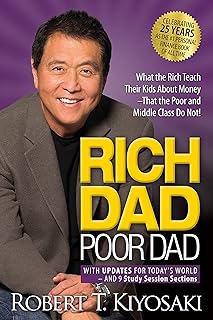
Both books help you deconstruct the Religious Teachings on Money: Tithing, Charity, Simplicity or the Guilt, Obligation, and Saying No to Family Financial Requests that may have been woven into your family’s narrative.
Comparison Table: Two Books That Rewrite Your Money Narrative
| Feature | The Psychology of Money | Rich Dad Poor Dad |
|---|---|---|
| Focus | Behavioral psychology and mindset | Mindset shift from employee to investor |
| Best for | Understanding your emotional relationship with money | Breaking free from the "save and work" trap |
| Price | $10.99 | $9.31 |
| Rating | ⭐ 4.7 (71,600+ reviews) | ⭐ 4.7 (107,400+ reviews) |
| Key Lesson | Wealth is about behavior, not intelligence | Rich people teach their kids how money works |
| Buy at Amazon | |
|
Creating New Money Traditions for Your Chosen Family
The most powerful act you can take is to consciously choose which money stories to pass on. If you grew up with a narrative of scarcity, you can introduce abundance—not through denial, but through honest conversations. Start small: talk about a financial success without guilt. Share a lesson you learned from a mistake. Model saving for goals, not out of fear.
For those in Intercultural Relationships and Conflicting Money Norms, this work gets even more nuanced. You may need to negotiate two very different money stories and create a third one together. Similarly, First-generation Wealth Builders and “Survivor’s Guilt” often struggle with the narrative that their success somehow betrays their roots. Acknowledging the story is the first step to healing it.
FAQ: Common Questions About Money Narratives
How do I know what my family’s money narrative is?
Listen to the phrases you repeat to yourself. “I’ll never be good with money” or “I’m just not a saver” are clues. Also notice how family members react when money is discussed—defensiveness, secrecy, or pride all signal a deeper story.
Can money narratives be positive?
Absolutely. Some families pass down stories of generosity, smart investing, or resourcefulness. The goal is to understand your narrative so you can amplify the strengths and rewrite the weaknesses.
How do I break a harmful narrative without disrespecting my family?
Frame it as growth, not rejection. Say, “I appreciate what you taught me, but I’m learning a different approach now.” Books like The Psychology of Money give you the language to explain your new views without judgment.
What if I don’t have a clear money story from my upbringing?
That itself is a story—often one of avoidance. Even silence around money teaches children that it’s taboo. Start by asking older relatives about their own financial memories.
How can I create a healthier money narrative for my kids?
Be intentional. Talk about money as a tool, not a source of stress. Involve them in age-appropriate decisions. Let them see you save, invest, and give. Your actions are the story they’ll carry.
Your money narrative is not permanent. Like any good story, it can be edited, rewritten, and passed down with intention. Start by reading one of the books above—and begin asking yourself: What story do I want my legacy to tell?